




Out with the Old, In with the Nutritious
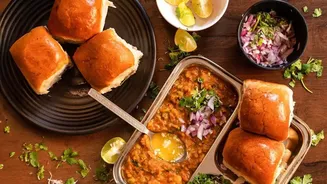
For decades, government meetings ran on a familiar fuel: platters of biscuits, fried snacks like batata vadas and pakodas, and sugary tea. A recent Government Resolution (GR) issued by the state's Public Health Department has put a stop to this practice.
The directive calls for a gradual reduction of all ultra-processed foods and items high in sugar, salt, and unhealthy fats from government canteens, meetings, and official events. This move effectively bans the routine serving of conventional snacks that have long been staples of bureaucratic life, marking a conscious pivot towards a healthier and more mindful approach to workplace nutrition.
A Taste of Maharashtra on Every Plate
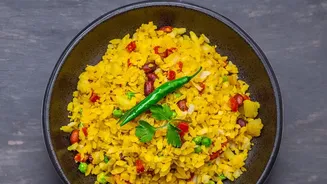
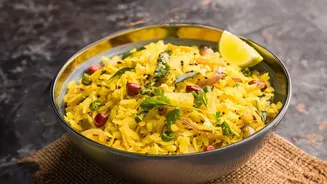
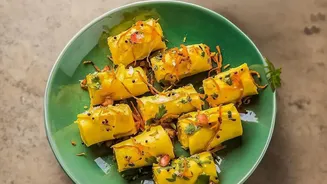
The new menu reads like a celebration of local and traditional Maharashtrian cuisine. For shorter meetings, the guidelines propose serving seasonal fruits, roasted or boiled chickpeas, sprouts, vegetable poha, idli-sambar, and millet khichdi. Beverages will also see a change, with recommendations for coconut water, buttermilk (chaas), solkadhi, and unsweetened green or herbal tea. For longer, full-day programs, the offerings are even more substantial, including jowar, bajra, or ragi bhakris, multigrain chapatis, dal, usal (sprouted legume curry), and leafy vegetables prepared with limited oil. The emphasis is squarely on fresh, locally available ingredients that are both nutritious and culturally significant.
The Three-Fold Rationale: Health, Heritage, and Prudence
The primary driver behind this culinary overhaul is public health. The government has cited the rising incidence of non-communicable lifestyle diseases such as diabetes, hypertension, and heart disease as a major concern. By making healthier food choices more accessible at work, the state aims to encourage better eating habits among its employees and lead by example. But the policy is not just about health. It is also a powerful endorsement of Maharashtra's rich culinary heritage, promoting traditional grains and dishes over processed alternatives. This shift champions regional identity and brings local food traditions into the mainstream of governance. There is also an element of fiscal prudence, as prioritising local, seasonal produce can often be more cost-effective than relying on packaged and processed goods.
Boosting Local Economies and Empowering Women
Beyond the menu itself, the policy has significant economic implications. The government has directed that catering contracts for these new menus should prioritise sourcing from local producers. While not explicitly stated in all reports, this approach often involves engaging with women's self-help groups (Bachat Gats), small-scale farmers, and local entrepreneurs. By creating a dedicated market for traditional and healthy foods, the government is providing a direct economic stimulus to local communities. This ensures that the financial benefits of the policy are distributed at the grassroots level, empowering small businesses and reinforcing the agricultural economy of the region. The move transforms a simple catering decision into a tool for local economic development.
A Symbolic Shift in Governance
This food policy is more than just a dietary guideline; it is a symbolic statement. The move away from biscuits and factory-made snacks, often seen as a holdover from a colonial administrative culture, represents a step towards a more self-reliant and culturally rooted style of governance. The new menus are designed based on guidelines from the Indian Council of Medical Research-National Institute of Nutrition (ICMR-NIN) and the Food Safety and Standards Authority of India (FSSAI), grounding the policy in national health standards. To ensure compliance, the government plans to establish menu inspection committees and appoint nodal officers, with periodic audits to be conducted in coordination with the Food and Drug Administration. This structured implementation shows a serious commitment to making the change stick, aiming to kickstart a cultural shift that extends beyond office walls and into society at large.