

A New Chapter for Indian Travel
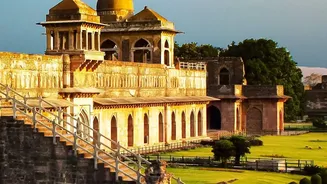
For decades, tourism in India was often a vibrant but hectic race against time—a checklist of iconic forts, palaces, and bustling cities. Today, both Indian and international travellers are seeking more. The focus is shifting from what can be seen to what can be felt.
This evolution is not accidental; it reflects a global desire for more meaningful travel, and India is uniquely positioned to deliver. Government initiatives and a renewed focus on the country's inherent strengths are now channelling this demand into a structured, new phase for tourism. The goal is to move beyond mere sightseeing and offer immersive experiences that restore, reconnect, and rejuvenate.
Beyond the Spa: The Rise of Wellness Tourism
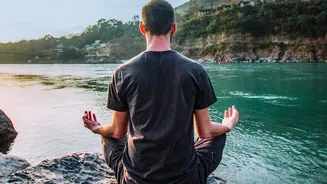
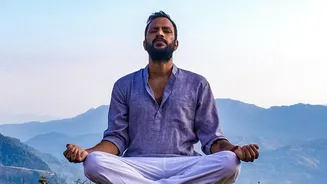
Wellness in India is far more than a spa treatment; it’s a 5,000-year-old living tradition. The country is leveraging its ancient wisdom in Ayurveda, yoga, and naturopathy to become a global leader in holistic health. This trend is powered by a growing understanding that travel can be a form of preventive healthcare. Travellers are increasingly choosing destinations based on their wellness goals, whether it's stress reduction, a digital detox, or lifestyle improvement. Destinations like Kerala, the heartland of Ayurveda, and Rishikesh, the world's yoga capital, continue to be popular. Government initiatives like 'Heal in India' and the introduction of a special AYUSH Visa for traditional treatments further underscore this strategic focus, making holistic healing more accessible than ever.
In Search of a Deeper Connection
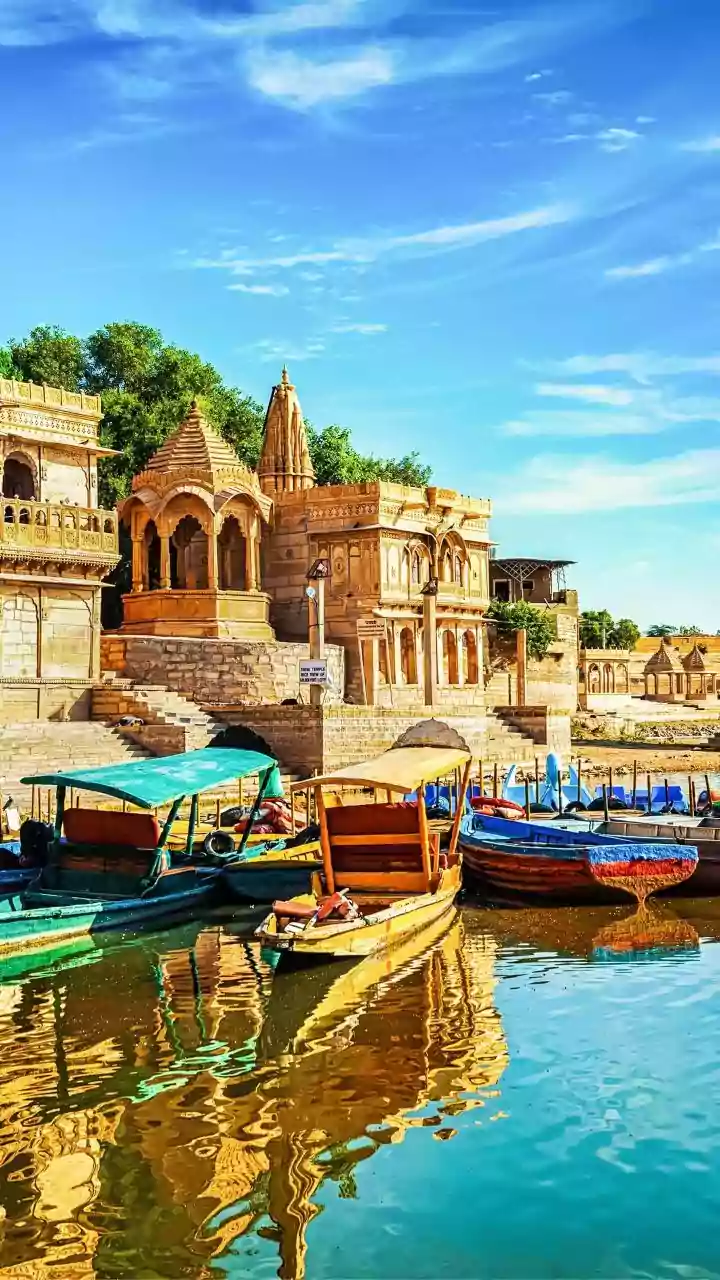
Spiritual tourism has always been a cornerstone of domestic travel in India, but it is now broadening its appeal. It’s no longer confined to traditional pilgrimages. Modern travellers, including younger generations, are seeking spiritual growth without necessarily adhering to religious dogma. They are drawn to ashrams for meditation, monasteries for quiet contemplation, and river ghats for a sense of timeless connection. The development of integrated spiritual circuits, which connect multiple sacred sites with better infrastructure and cultural experiences, is transforming these journeys. This shift is turning ancient pilgrimage routes into well-rounded travel experiences that cater to a modern search for peace and purpose.
The Call of the Wild and Green
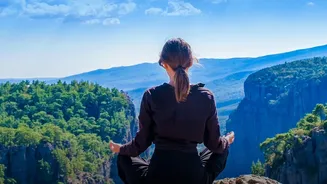
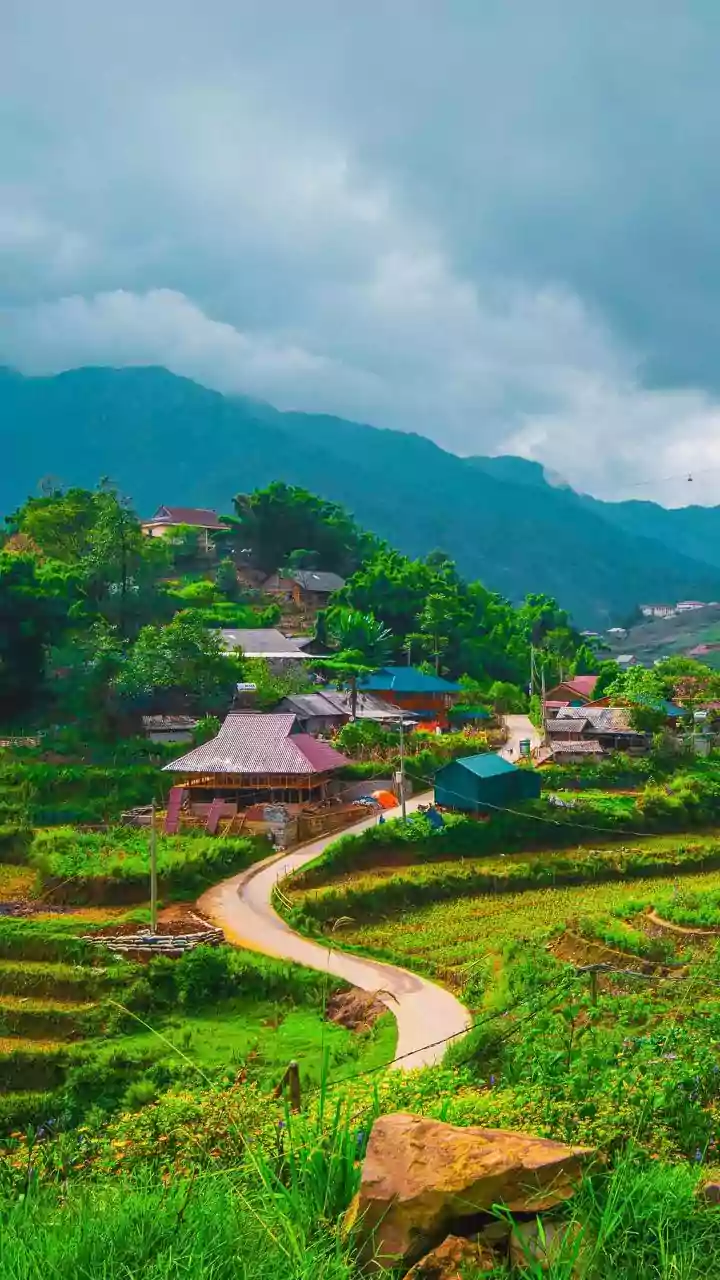
The third pillar of this new phase is a renewed appreciation for India's immense natural heritage. From the soaring Himalayas to the dense forests of the Western Ghats and the serene backwaters, travellers are seeking refuge in nature. This is more than just adventure; it's about sustainable and conscious travel. The government is actively promoting eco-tourism, developing new ecologically friendly trails for hiking and bird watching, and focusing on conservation-led initiatives. Projects under the Challenge-Based Destination Development (CBDD) scheme are helping create sustainable tourism models around places like bird sanctuaries and reservoirs, ensuring that the benefits of tourism support local communities and preserve the environment. This approach allows travellers to experience the wild while contributing to its protection.
A Convergence of Mind, Body, and Planet
These three trends—wellness, spirituality, and nature—are not operating in isolation. They are deeply interconnected, often blending into a single, holistic travel experience. A yoga retreat in the Himalayas combines all three elements. An Ayurvedic treatment centre in Kerala is often set amidst lush, natural beauty. This convergence reflects a fundamental change in traveller priorities: a desire for authenticity, sustainability, and personal transformation over passive consumption. It's a move away from the temporary escape and towards a journey that provides lasting benefits for the mind, body, and soul. India, with its rich cultural tapestry and diverse landscapes, is not just following this trend; it is defining it.