





The Irresistible Allure of a Monsoon Drive
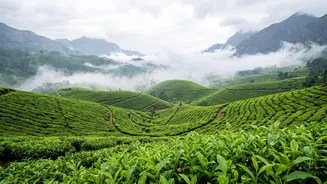
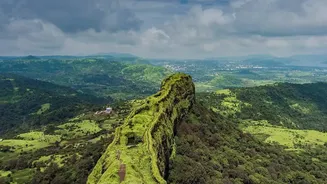
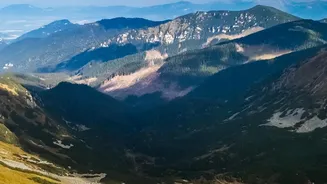
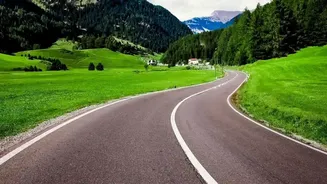
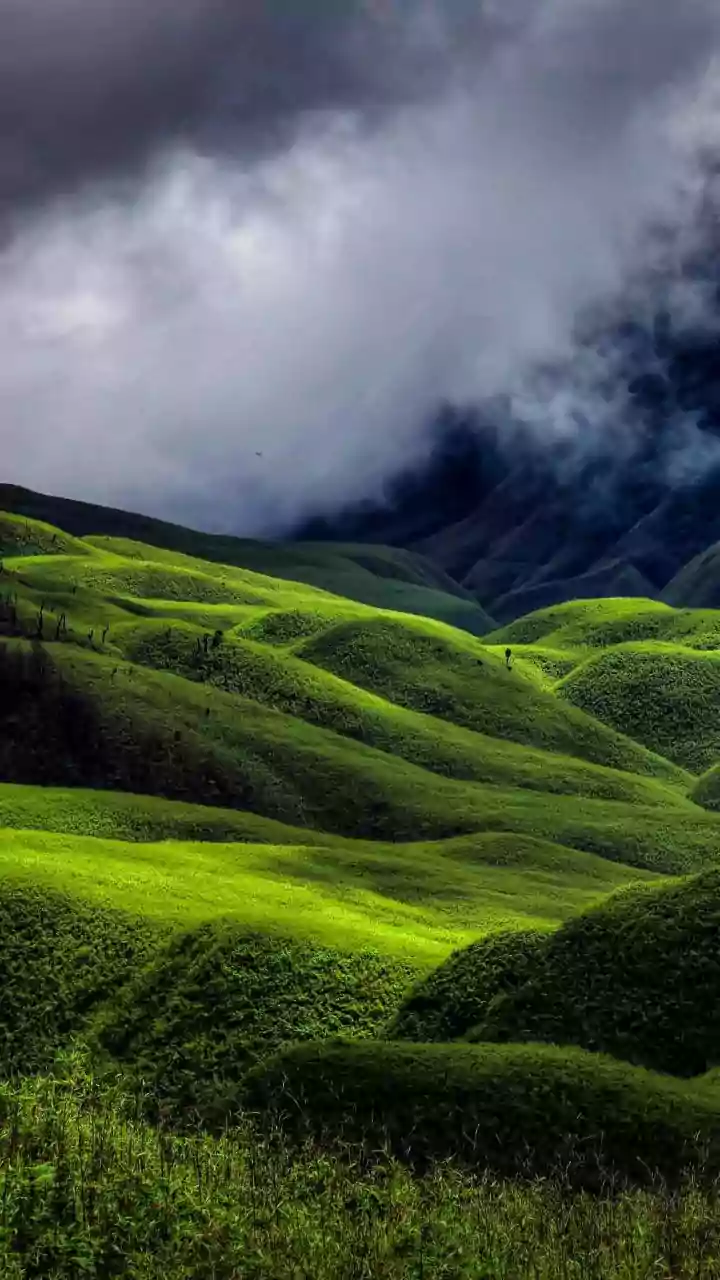
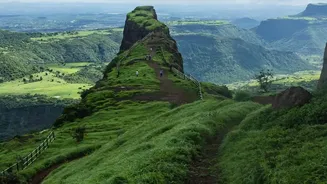
There's a certain magic to driving through the mountains when it rains. The landscape, once dusty and brown, erupts in vibrant shades of green. Waterfalls that were mere trickles become roaring cascades, and the air smells of wet earth and fresh leaves.
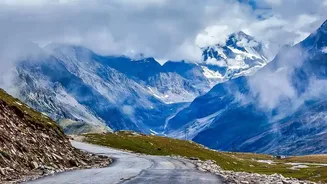
Destinations like Himachal Pradesh, Uttarakhand, and the Western Ghats become atmospheric wonderlands, with clouds often descending right onto the highway. For many, the lower hotel prices and smaller crowds are an added bonus. The journey itself, with its scenic vistas and cosy chai stops, becomes the main attraction, promising unforgettable memories and stunning photographs. It's this romanticised image of the monsoon that fuels the desire for that perfect hilly road trip.
The Reality Behind the Romance: Hidden Dangers
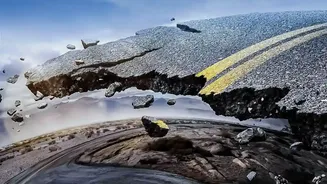
Beneath the beauty lies a significant degree of risk, which is often underestimated. Monsoon rains saturate the soil on steep slopes, dramatically increasing the chances of landslides and rockfalls. Continuous rainfall has made many parts of the Himalayas, particularly in states like Uttarakhand and Himachal Pradesh, extremely vulnerable. Recent reports from August 2026 confirm that heavy rains have led to blocked roads and, tragically, fatal landslides in these regions. Beyond landslides, drivers face other hazards: poor visibility from fog and heavy downpours, slippery roads that significantly increase braking distance, and the risk of flash floods that can wash away entire sections of a road without warning. What looks like a shallow puddle could be a deep, wheel-swallowing pothole. These dangers are precisely why local authorities and the India Meteorological Department (IMD) issue regular advisories.
Decoding the Advisories: What Do They Mean?
Official advisories aren't meant to spoil the fun; they are critical safety tools. The IMD uses a colour-coded system to simplify complex weather data. A 'Yellow Alert' is a 'Be Aware' signal, suggesting you should monitor conditions. An 'Orange Alert' means 'Be Prepared' for disruptions like road closures and heavy rain that could impact travel. A 'Red Alert' is the most serious, advising you to 'Take Action' because severe weather poses a significant threat to life and property, and travel should be avoided. These alerts are based on forecasts for heavy rainfall, strong winds, and the potential for subsequent events like landslides. For a traveller, an orange alert for your destination might mean postponing your journey or choosing a safer, alternative route. Ignoring them can leave you stranded or, in the worst-case scenario, in danger.
Your Pre-Trip Safety Checklist
Smart travel begins before you even turn the key. First, make your vehicle monsoon-ready. This means checking your tyres for adequate tread (at least 3mm is recommended), ensuring your brakes are responsive, and replacing worn-out windscreen wipers for clear visibility. Test all lights—headlights, taillights, and indicators—as they are crucial in low-light conditions. Second, monitor the weather religiously. Check the IMD website for district-specific warnings for your entire route, not just the destination. Local news and official state disaster management websites are also invaluable sources for real-time road status updates. Third, pack an emergency kit. This should include a first-aid kit, a waterproof torch, a power bank, extra food and water, and quick-drying clothes. Having a tow rope and a puncture repair kit can also be a lifesaver.
On-the-Road Smarts for Hilly Terrain
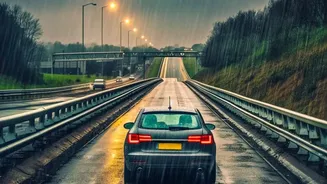
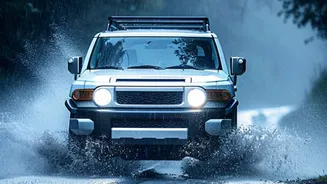
Once you're on your way, adjust your driving style for the conditions. The most important rule is to slow down. Wet roads can double your braking distance. Maintain a much larger gap than usual between your car and the vehicle ahead. Avoid sudden braking, especially on painted lines which become extra slippery. When driving downhill, shift to a lower gear to use engine braking rather than constantly riding the foot brake, which can cause overheating. Be extremely cautious on sharp turns where visibility is limited. If you encounter a waterlogged patch, do not attempt to cross if the water is above the centre of your wheels. Finally, and most importantly, avoid driving in the hills after dark during the monsoon. Reduced visibility and the increased risk of unforeseen obstacles make it incredibly hazardous.