


The Quest for Health and Hygiene
For all its flavour, street food comes with a side of uncertainty. Concerns over water quality, hand washing, and general cleanliness are common. Studies have often highlighted the presence of bacteria in samples of street-side food and water, a risk
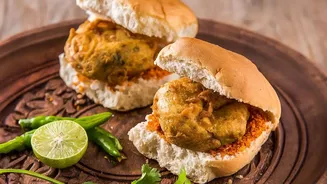
many young, health-conscious adults are no longer willing to take. Recreating dishes like momos or pav bhaji at home offers a simple solution: complete control over ingredients and preparation. This allows them to enjoy their favourite snacks without the lingering worry, ensuring the food is not only delicious but also safe and hygienic. The perception of home-cooked meals being inherently healthier and safer is a significant driver behind this trend.
A Big Bite of Nostalgia
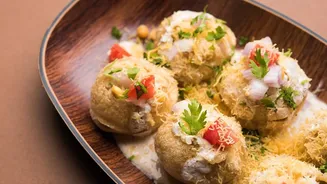
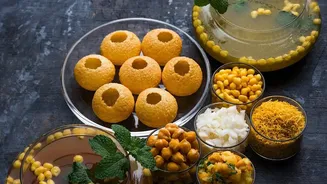
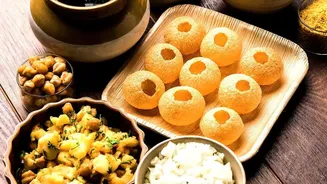
Food is deeply tied to memory, and for many, street food evokes cherished moments of childhood and college days. It's the taste of sharing golgappas with friends after class or a post-shopping treat with family. As young adults move to new cities for work and live increasingly fast-paced lives, cooking these dishes becomes a way to reconnect with their roots and personal history. Recreating a family-favourite chaat or a regional specialty is like cooking up a 'big mental hug', offering comfort and a sense of belonging for those living away from home. This nostalgia-driven consumption has become a powerful trend, with familiar, traditional tastes making a major comeback.
The Instagram-Worthy Platter
In the age of social media, we eat with our eyes first. The home-cooking trend is fuelled by a desire to create visually appealing, 'Instagram-worthy' meals. Young adults are not just making street food; they are styling it, plating it beautifully, and sharing it online. This act of sharing transforms a simple meal into a creative expression and a point of social connection. Food bloggers and viral video hacks on platforms like TikTok and Instagram provide endless inspiration, from 'ready-roti golgappas' to unique ways of making sandwich pakoras. This has turned the kitchen into a studio, where recreating a trending street food dish becomes a fun, engaging, and shareable experience.
Customisation is King
One of the biggest advantages of cooking at home is the ability to tailor a dish to your exact preferences. When making street food at home, you are the master of flavours. You can dial up the spice in your bhel puri, reduce the salt in the vada pav, or stuff a samosa with a filling of your choice. This level of customisation extends to making healthier swaps—using less oil, incorporating more vegetables into pav bhaji, or opting for whole-wheat flour for momos. This control appeals to a generation that is increasingly mindful of what they eat, allowing them to indulge their cravings in a way that aligns with their personal health goals.
A New Way to Socialise
Home cooking is also becoming a popular social activity. Instead of meeting at a restaurant, friends gather for a 'chaat night' or a 'momo-making party'. These gatherings are more intimate, personal, and often more affordable than eating out. The process of cooking together fosters connection and creates shared experiences. It turns a meal into a collaborative event, a fun project that ends with a delicious reward. For many young urbanites living in nuclear families or on their own, these cookstogethers are a way to build community and forge deeper friendships in a relaxed, homey environment.