






A Timeless Kitchen Staple
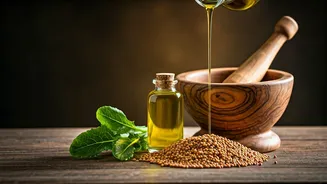
Fenugreek, or methi, is a cornerstone of Indian cooking, known for its distinctively bitter, slightly sweet aroma and flavour. But beyond its role in tadkas and curries, its seeds have been used for centuries in traditional wellness practices. One of the
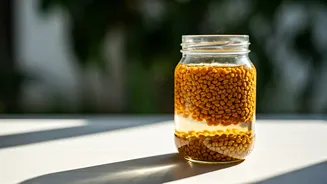
simplest and most popular methods is drinking the water in which fenugreek seeds have been soaked overnight. This practice is believed to unlock the seeds' potent properties, offering a range of potential health benefits, most notably in helping to manage the body's energy and sugar levels. It’s a low-cost, accessible ritual that has been passed down through generations, and now, modern science is beginning to understand why.
The Science Behind Stable Energy
The feeling of an "energy spike" and the subsequent crash is often linked to rapid fluctuations in blood sugar levels. When you consume carbohydrates, they break down into glucose, which enters your bloodstream. This is where fenugreek seeds may play a helpful role. They are incredibly rich in soluble fibre, particularly a type called galactomannan. This fibre forms a gel-like substance in the stomach, which can slow down the digestion and absorption of carbohydrates. By slowing this process, it may help prevent sharp, sudden increases in blood sugar after a meal, leading to more stable and sustained energy levels. Think of it as creating a slow-release mechanism for the energy from your food, rather than an all-at-once rush.
More Than Just Fibre
Fenugreek’s potential benefits aren't just about fibre. The seeds also contain an amino acid called 4-hydroxyisoleucine, which is not commonly found in other plants. Preliminary research suggests this compound may stimulate the pancreas to produce insulin, the hormone responsible for helping cells absorb glucose from the blood. By potentially improving both insulin secretion and insulin sensitivity (how effectively your cells respond to insulin), fenugreek may offer a two-pronged approach to supporting healthy blood sugar metabolism. While these studies are promising, it's important to remember they often use concentrated extracts, but the principles apply to the whole seed as well.
How to Prepare Methi Water
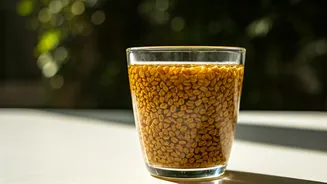
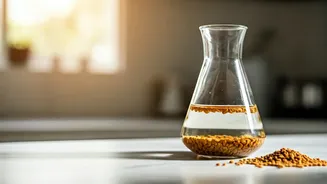
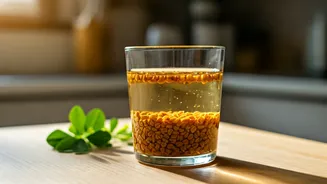
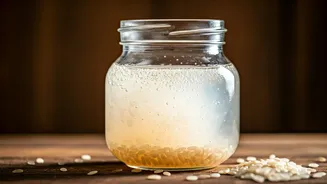
Making fenugreek water is incredibly simple. You don't need any special equipment, just a spoon, a glass, water, and the seeds themselves. Here’s the standard method: 1. **Measure:** Take one to two teaspoons of high-quality fenugreek seeds. 2. **Soak:** Place the seeds in a large glass of clean, room-temperature water (about 250-300 ml). 3. **Wait:** Cover the glass and let the seeds soak overnight, or for at least 6-8 hours. 4. **Drink:** In the morning, on an empty stomach, strain the water and drink it. Some people also choose to chew on the softened seeds, which are now less bitter and provide an extra dose of fibre. The water will have a yellowish hue and a distinctly bitter taste, which you will get used to over time.
Important Considerations and Precautions
While fenugreek water is natural, it's not without things to consider. Firstly, it is not a cure for diabetes or a replacement for medication. If you have diabetes or any other medical condition, you must speak with your doctor before adding this to your routine, as it can interact with blood sugar-lowering medications. Secondly, due to its potential effects on uterine contractions, pregnant women should avoid consuming fenugreek water. For some people, high doses can cause digestive discomfort like gas or bloating. It's always best to start with a small amount (like one teaspoon of seeds) and see how your body reacts. Consistency is more important than quantity.