





The Costly Assumption
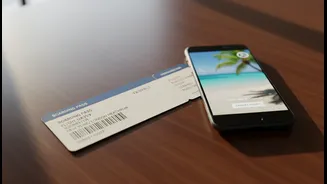
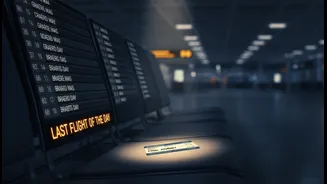
When facing a likely cancellation due to weather, strikes, or technical issues, the first instinct is often to proactively book a new flight to get ahead of the chaos. However, this is a significant financial gamble. If you book a new ticket and your
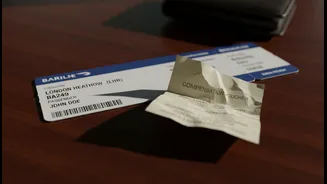
original flight is merely delayed—or, in some cases, even operates as scheduled—you have now paid for two tickets. More importantly, if you cancel your original ticket yourself, you forfeit your right to a refund or a free rebooking from the airline. By waiting for the airline to make the first move and officially cancel the flight, you preserve all your passenger rights and financial protections.
Why Airlines Delay Cancellations
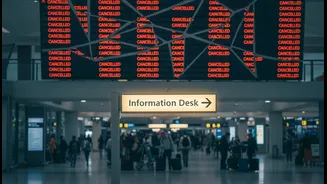
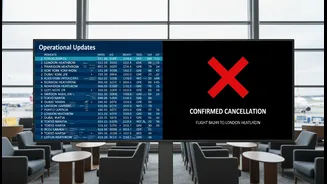
From a passenger's perspective, if a snowstorm has shut down an airport, a flight cancellation seems inevitable. Yet, airlines often wait until the last possible moment to make it official. There are several reasons for this. The situation might improve; weather can change, or a technical issue might be resolved faster than expected. Airlines operate on incredibly tight schedules, and a single cancellation can have a ripple effect across their network, so they try to avoid it. They might also be waiting to see how many passengers proactively cancel, which reduces their own financial liability. Until the airline officially updates the flight status to "cancelled," it is considered active, and all the rules of the original ticket apply.
Know Your Rights Under DGCA Rules
For travellers in India, the Directorate General of Civil Aviation (DGCA) has specific rules that protect passengers. If an airline cancels a flight without notifying you at least two weeks in advance, you are entitled to a choice: either a full refund or an alternative flight at no extra cost. If you are informed of the cancellation less than 24 hours before departure, you may also be entitled to compensation on top of the refund or rebooking. These rules, however, only apply if the airline cancels the flight. If you cancel, you are subject to the fare rules of your ticket, which may involve hefty fees or no refund at all. Airlines are also obligated to provide meals and refreshments if you are already at the airport and face significant delays or a cancellation. For overnight delays, they must provide hotel accommodation.
A Step-by-Step Action Plan
So, what should you do when your flight looks doomed? First, do not panic and do not immediately rebook. Second, monitor the official flight status using the airline's app or website. This is the only source that matters. Third, while you wait, research alternative flights so you know your options if the cancellation notice comes. Fourth, once the airline officially cancels the flight, you are in control. The airline must offer you a refund or rebook you. If their proposed rebooking doesn't work, you can demand a full refund to your original payment method. With that refund secured, you are then free to book any flight you want on any airline, without being out of pocket.
The Refund vs. Rebooking Dilemma
When your flight is officially cancelled, the airline will typically offer to place you on their next available flight. This can be a good option if the new timing works for you and there's available space. However, you are never obligated to accept their offer. You always have the right to a full refund. Opting for a refund provides maximum flexibility. It allows you to book a flight on a different carrier that might have a better schedule or a lower price. Accepting the airline's rebooking locks you into their services. If their next flight is a day later and you need to travel sooner, a refund is the superior choice. Always weigh the convenience of the airline's offer against the freedom that a full refund provides.