

As grocery bills climb, clever home cooks are turning to a traditional secret weapon: the banana flower. This versatile, budget-friendly ingredient is making a comeback, proving that eating well doesn't have to break the bank.
The Vegetable Hiding in Plain Sight
Known as 'mocha' in Bengali,
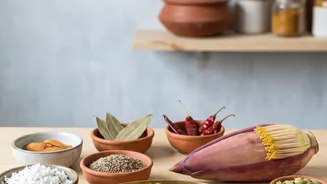
'vazhaipoo' in Tamil, and 'kadali bhanda' in Odia, the banana flower is the large, tear-shaped purple blossom that hangs at the end of a banana bunch. For generations, it has been a staple in South and Southeast Asian cuisine, appreciated for its unique texture and ability to absorb flavours. Though it looks like a single large flower, it is actually composed of many tiny florets tucked under the large purple petals, along with a tender heart. Long considered a humble ingredient, its affordability and culinary flexibility are now being rediscovered by a new generation of cooks.
A Budget-Friendly Powerhouse
The primary appeal of the banana flower in today's economy is its cost-effectiveness. Often available for as little as ₹15 to ₹65 per flower, it provides a substantial amount of vegetable matter for a low price. Its fibrous, layered texture makes it a surprisingly 'meaty' and filling addition to meals, allowing it to stretch dishes further or even act as a meat substitute. This makes it an ideal ingredient for creating satisfying curries, stir-fries, and snacks while keeping grocery spending in check. It's a prime example of how traditional knowledge can offer practical solutions to modern problems.
More Than Just a Money-Saver
Beyond its economic benefits, the banana flower is a nutritional champion. It is packed with dietary fibre, which aids digestion and promotes a feeling of fullness. It's also a rich source of essential minerals like potassium, calcium, magnesium, iron, and zinc. Furthermore, it contains a wealth of antioxidants, including quercetin and catechins, which help protect the body from cell damage. With its low-calorie profile and high nutrient density, incorporating banana flower into your diet is a smart move for both your wallet and your wellbeing.
Your Guide to Cleaning and Preparation
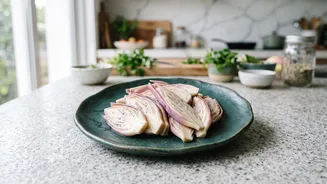
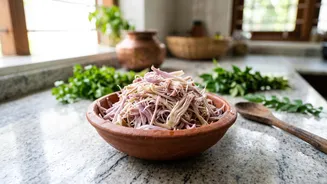
The most intimidating part of cooking with banana flower is the preparation, but it's simple once you know how. The flower's sap can stain, so it's wise to oil your hands and knife before you begin. Start by peeling away the outer, tough purple petals. Beneath each petal, you'll find a row of small florets. The key is to remove two inedible parts from each floret: the stiff, matchstick-like pistil and the small, translucent scale-like petal. These parts can be bitter and don't soften when cooked. As you work your way to the centre, the florets will become more tender, and you'll eventually reach the pale, soft heart. Chop everything and immediately soak it in a bowl of water with buttermilk, lemon juice, or turmeric to prevent browning and reduce bitterness.
Delicious Ways to Enjoy Banana Flower
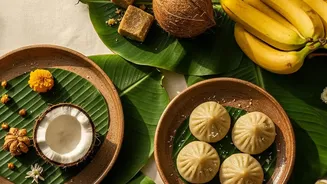
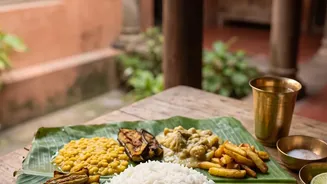
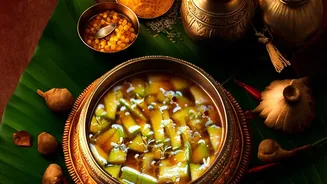
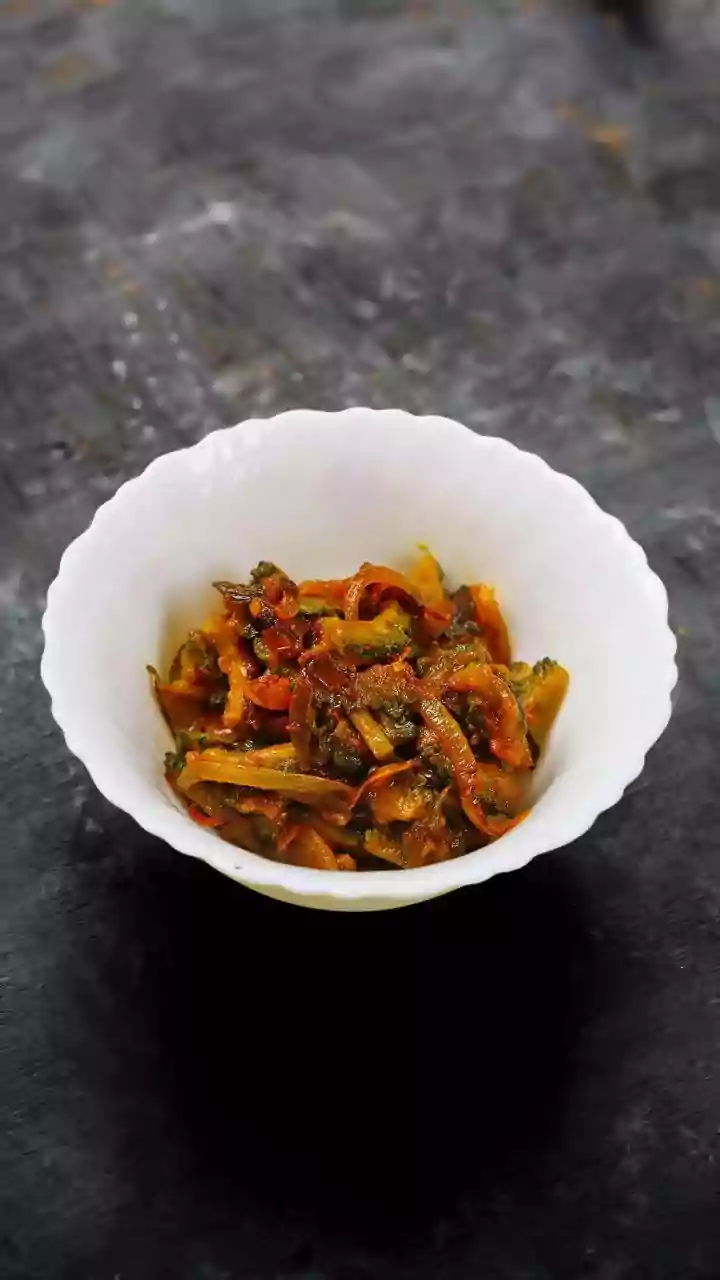
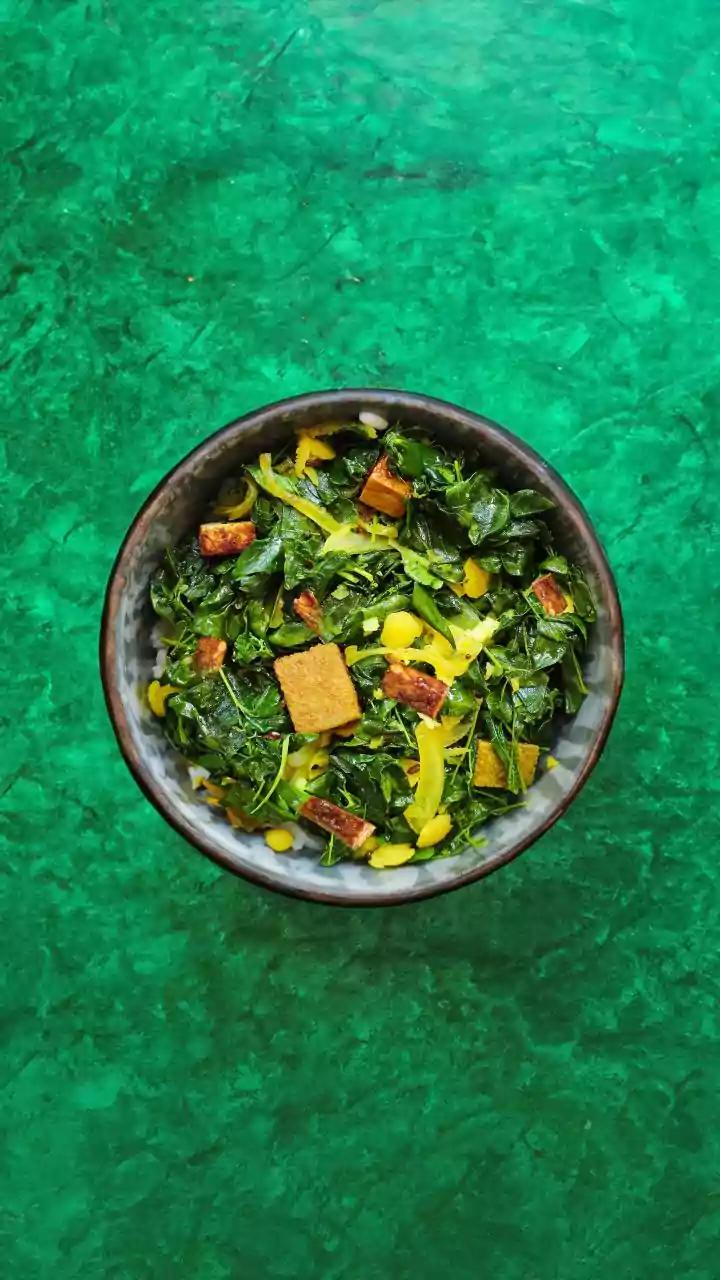
Once prepped, the banana flower's versatility shines. In South India, it's often made into a 'poriyal' or 'thoran'—a simple stir-fry with mustard seeds, lentils, onions, and fresh coconut. A classic Bengali preparation is 'Mochar Ghonto', a rich, complex dry curry made with potatoes, coconut, and a blend of spices like cumin and ginger. For a simple and popular snack, the chopped flowers can be mixed with a lentil batter and deep-fried to make crispy 'vadas'. Modern cooks are also using it in cutlets, stir-fries with sambar powder, and even as a topping for wraps, proving this humble flower is ready for any culinary challenge.