




The Tradition of 'Kashayam'
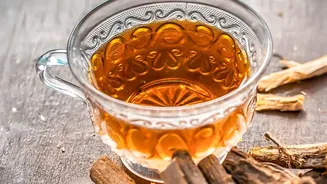
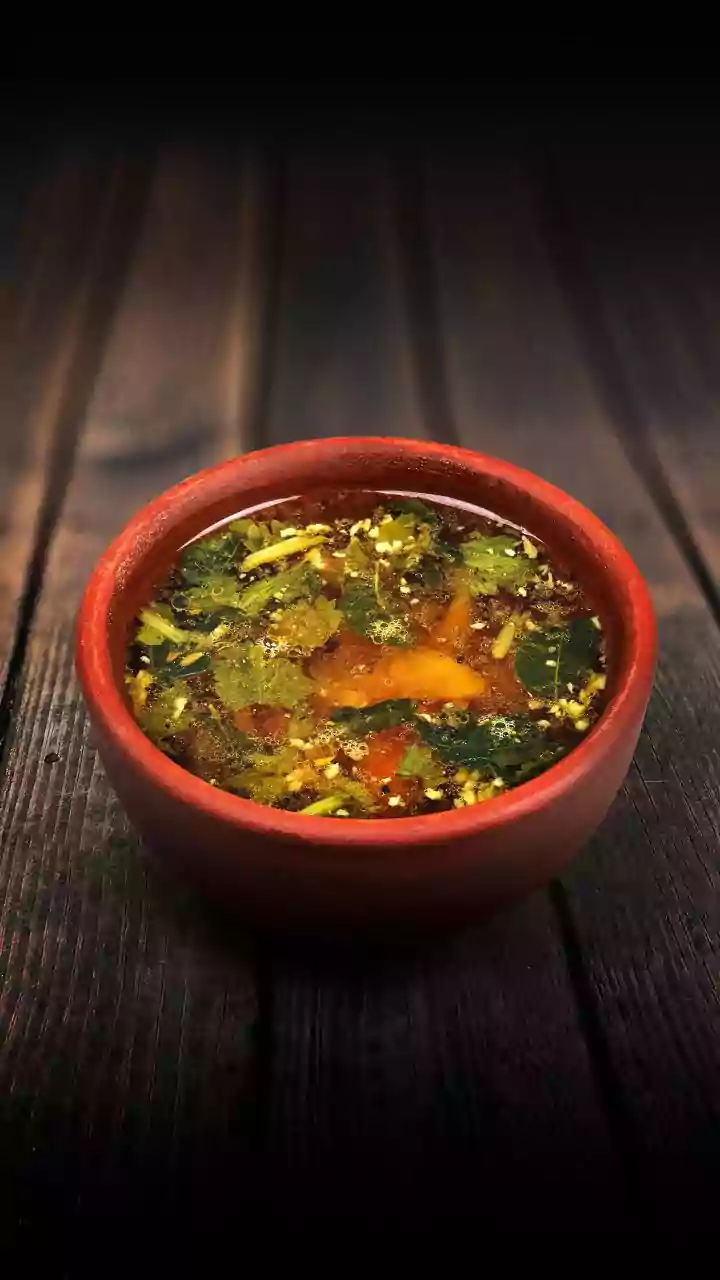
Known broadly as 'kashayam' or 'kudineer', these drinks are essentially herbal decoctions made by boiling spices, herbs, and roots in water until their potent, volatile oils are released. This isn't just about making tea; it's a practice rooted in Ayurvedic
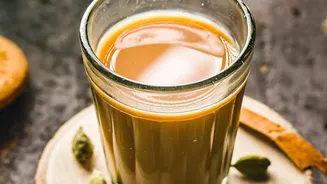
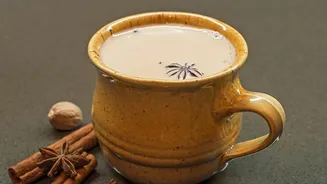
principles, where specific ingredients are chosen for their traditionally recognised properties. The goal is to create a concentrated liquid that delivers the essence of these plants in a warm, easily digestible form. A similar popular preparation in Tamil Nadu is the 'Sukku Malli Kaapi', a so-called coffee that contains no actual coffee beans, but is a robust blend of dry ginger and coriander.
The Foundational Trio: Sukku, Milagu, Malli
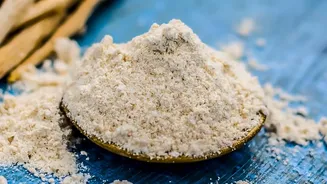
Many of these healing brews are built on a powerful trio of ingredients: 'sukku' (dry ginger), 'milagu' (black pepper), and 'malli' (coriander seeds). Each is a powerhouse in its own right. Dry ginger is revered in traditional medicine for its warming properties and its ability to soothe the stomach and aid digestion. Black pepper, often called the 'king of spices', is not just for heat; it contains piperine, a compound believed to enhance the body's ability to absorb the beneficial compounds of other herbs, like the curcumin in turmeric. Coriander seeds are traditionally used to help with digestion and are known for their cooling properties, providing a balance to the heat of ginger and pepper.
A Symphony of Herbal Allies
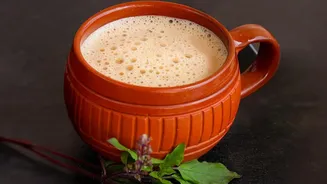
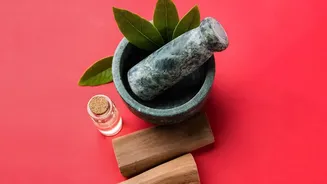
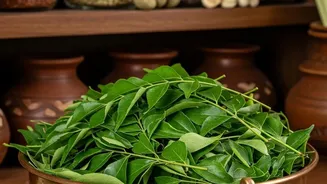
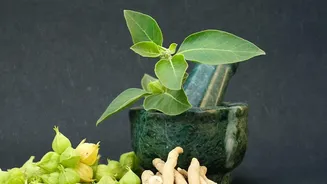
Beyond the core trio, a wide array of other herbs and spices can be added, depending on the specific ailment or desired effect. Tulsi (holy basil) is a common addition, valued for its antibacterial and anti-inflammatory properties that make it a go-to for fevers and colds. Long pepper, or 'thippili', is another key ingredient often combined with ginger and black pepper to address respiratory issues. Other frequent players include cumin for digestion, cloves and cinnamon for their warming and aromatic qualities, and turmeric for its well-documented anti-inflammatory benefits. The ingredients are often lightly crushed in a mortar and pestle just before boiling to release their full potency.
More Than a Remedy, It's Comfort
While the therapeutic properties of the ingredients are central, the role of these decoctions goes far beyond the physical. The act of preparing a kashayam is an act of care. The fragrant aroma of spices filling the kitchen provides a sensory comfort that is deeply reassuring. For many, sipping a hot, sweet-and-spicy cup of sukku malli kaapi, often sweetened with palm jaggery ('panam karkandu'), is a comforting ritual that provides psychological relief as much as it soothes a sore throat or congested chest. It’s a warm hug in a cup, steeped in generations of wisdom and care.
Brewing Your Own Wellness
Creating a basic decoction at home is straightforward. A typical method involves dry roasting spices like coriander seeds, cumin, and peppercorns to awaken their aroma, then grinding them into a coarse powder. This powder, along with crushed dry ginger, is then simmered in water. The mixture is often boiled until the volume of water reduces by about half, concentrating the flavours and properties. It's then strained and usually sweetened with jaggery or honey before being served hot. While many families have their own unique blends passed down through generations, pre-made powders are also widely available for convenience. These preparations offer a direct connection to a system of wellness that sees the kitchen pantry as a powerful medicine cabinet.