








Beyond Just Getting Along
The old benchmark for success in a multi-pet household was simple: no fighting. As long as the cat and dog tolerated each other, owners could breathe a sigh of relief. However, animal behaviour experts now suggest a deeper, more meaningful goal. It’s
not about the absence of conflict, but the presence of positive connection, even in small doses. This shift in perspective reframes our role from being a referee to becoming a facilitator of friendship. Social enrichment is a necessity for pets, not a luxury, and this includes positive interactions with other species they live with. The aim should be to create an environment where brief, peaceful moments can occur naturally, contributing to a calmer and happier home for everyone.
What 'Momentary Contact' Really Means
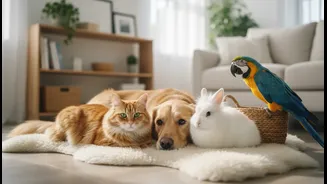
Momentary contact isn't about forcing your pets to cuddle for hours. It’s about the small, positive, and often fleeting interactions that happen throughout the day. This could be a calm sniff, a shared moment of rest in the same room, or simply walking past each other without tension. Recent studies show that these momentary interactions are associated with higher positive feelings for owners. Think of it like a human workplace: you don’t need to be best friends with every colleague, but brief, pleasant chats by the water cooler make the overall environment much more positive. For pets, these low-pressure encounters build a foundation of trust and security, showing them that the other animal is a neutral or even pleasant part of their environment, not a threat.
The Science of a Shared Space
The benefits of these positive interactions are rooted in science. When pets have calm encounters, it can help reduce stress and anxiety. For owners, witnessing these peaceful moments provides its own reward. Research has consistently shown that positive interactions with our pets can lower cortisol (the stress hormone) and increase oxytocin, the hormone associated with bonding and happiness. While simply owning a pet contributes to life satisfaction, fostering a harmonious environment amplifies these benefits. When your pets are relaxed around each other, the entire household atmosphere becomes more serene, reducing the background stress that comes from constantly monitoring for potential conflict.
Fostering Fleeting Moments of Friendship
You can't force a friendship, but you can create the right conditions for one to bloom. The key is to engineer situations where positive associations can be built. Animal behaviourists recommend several strategies. Start by creating separate, safe spaces for each pet so they can retreat when they feel overwhelmed. Use scent swapping—exchanging blankets or toys—to familiarise them with each other’s presence before direct contact. When they are in the same space, keep initial interactions short and sweet, and always supervised. Reward calm behaviour from both pets with praise or a small treat. This helps them associate the presence of the other animal with something good. Another effective method is feeding them on opposite sides of a closed door, gradually moving the bowls further into view as they become more comfortable. The goal is to make their shared experiences positive and low-stakes.