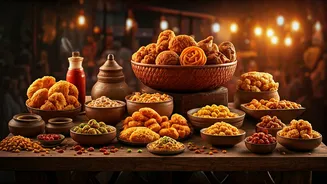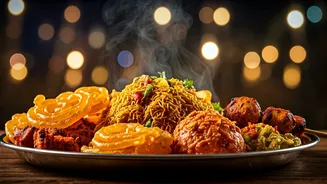



A Culinary Culture Unlike Any Other
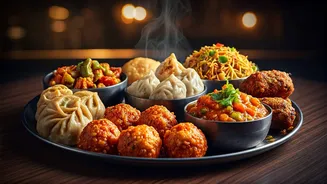
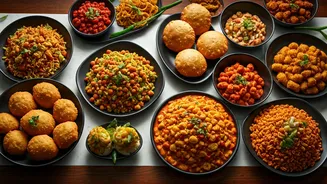
While Mumbai has its vada pav and Delhi its chaat, Indore offers a culinary experience that is arguably more diverse and deeply ingrained in the city's identity. [9, 27] Its food culture is a unique blend of Maharashtrian, Rajasthani, and Gujarati influences,
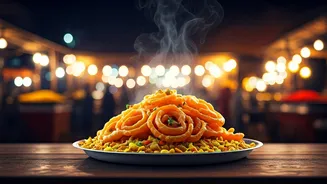
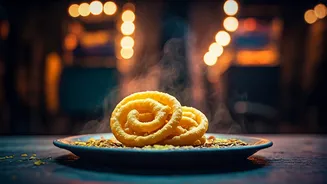
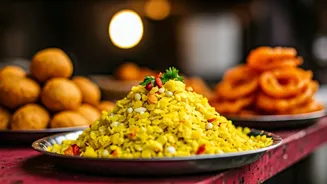
perfected over generations. [16] The city's obsession with food is legendary; it’s a place that begins its day with the iconic breakfast of Poha-Jalebi and doesn't stop eating until the early hours of the morning. [28] This is not just about grabbing a quick bite; it's a way of life, a nightly celebration of flavour that draws locals and tourists alike into its aromatic fold.
The Nightly Carnival: Sarafa Bazaar
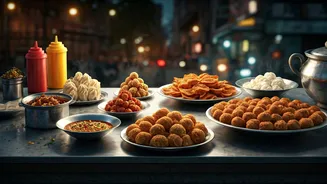
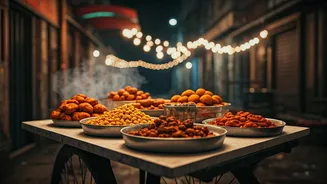
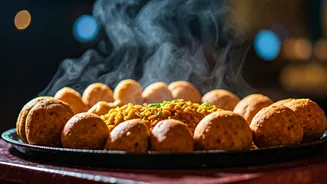
The heart of Indore's street food scene beats strongest in Sarafa Bazaar. [3] By day, it's a bustling jewellery market. But as the shops' shutters come down around 8 PM, the narrow lanes undergo a magical transformation. [7] Carts roll in, burners are lit, and the area becomes one of India's most famous night food markets, staying alive until 2 AM. [3, 23] The origin of this tradition is steeped in local lore, with some suggesting it was encouraged by jewellers to keep the area active and secure overnight. [6] Here, you'll find a dizzying array of vegetarian delicacies, from the theatrical 'flying' Dahi Vadas of Joshi Dahi Bada House to the legendary Khopra Patties—a potato tikki with a surprise coconut filling. [3, 17]
56 Shops of Sheer Delight: Chappan Dukan
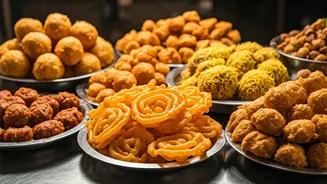
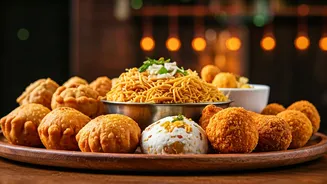
If Sarafa is the historic, chaotic heart of night-time indulgence, Chappan Dukan is its organised, all-day counterpart. [8] True to its name, this street features exactly 56 shops lined up, offering a curated tour of Indore's best snacks. [19, 20] Once a vegetable market, it was redeveloped into a modern, clean food zone. [16] Chappan Dukan is where you can try Indore's unique take on the hot dog at Johnny Hot Dog, which serves both vegetarian and mutton versions, or sip on a rich, nutty Shikanji that bears no resemblance to the lemonade found elsewhere—it's a thick, rabdi-based milkshake. [8, 10] It is also a great spot to sample the city’s famous Indori Namkeen from iconic shops. [4]
The Flavours That Define Indore
Beyond the famous hubs lies a treasure trove of unique dishes. Bhutte ka Kees is a quintessentially Indori preparation, where grated corn is slow-cooked in milk and spices to a creamy, comforting mash. [5, 17] In winter, the streets are filled with vendors selling Garadu, a type of yam that is diced, deep-fried until crisp, and tossed in a fiery masala mix. [5, 10] Even pani puri gets an upgrade, with some vendors offering up to ten different kinds of flavoured water. [8] The city's version of poha, which arrived from Maharashtra with the Holkar dynasty, has been transformed with the local jeeravan masala, creating a flavour profile that is distinctly tangy and aromatic. [9, 23]
The Secret Ingredient: A Culture of Cleanliness
What truly elevates Indore’s street food scene and gives it an edge over many metros is its commitment to hygiene. Indore has been ranked India's cleanest city for multiple consecutive years, and this civic pride extends to its food culture. [16, 23] Both Sarafa Bazaar and Chappan Dukan have been recognised as 'Clean Street Food Hubs' by the FSSAI. [9, 20] This focus on cleanliness provides a level of trust and comfort, allowing foodies to indulge without the usual hesitation associated with street food. It’s a combination of exceptional food, incredible variety, and a safe, clean environment that makes Indore a true street food paradise. [22]