



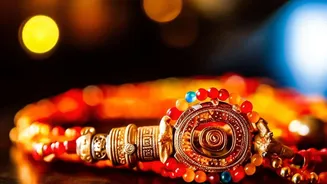
Redefining a Cherished Tradition
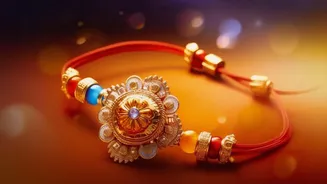
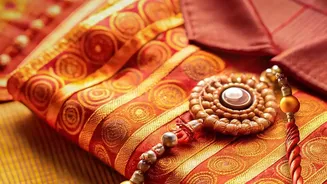
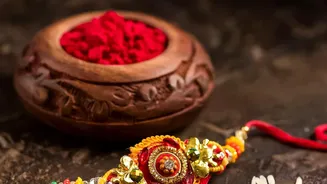
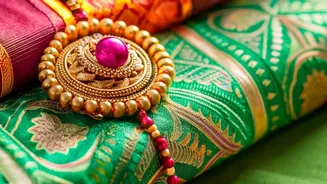
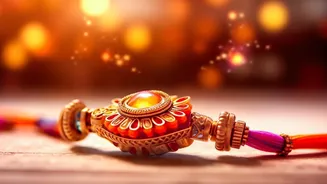
Raksha Bandhan has always been a festival of deep emotional significance, a day that reaffirms the protective and loving bond between siblings. For generations, the ritual has been simple yet powerful: a sister ties a rakhi on her brother's wrist, and he promises
to protect her, often with a gift in return. But as our collective consciousness shifts towards sustainability and mindful consumption, many are asking how this tradition can evolve. The answer is found not in grand gestures, but in thoughtful choices. The move towards artisanal and upcycled gifts transforms the act of giving from a simple transaction into a statement of values, making the celebration richer and more resonant.
The Creative Power of Upcycling
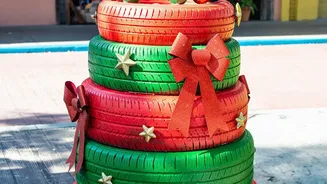
It’s a term we hear often, but what exactly is upcycling? Unlike recycling, which breaks down materials like plastic or paper to their raw form, upcycling creatively transforms waste or unwanted items into new products of higher value and quality. It’s about seeing potential where others see trash. Think of fabric scraps from a boutique being skillfully stitched into a vibrant pouch, old tyres becoming quirky planters, or discarded wood being carved into beautiful photo frames. This process consumes fewer resources than creating something from scratch and prevents items from ending up in landfills, making it a powerful tool for waste reduction. For Raksha Bandhan, this means gifts that are not just unique but also carry a positive environmental footprint.
Gifts That Tell a Human Story
The “artisanal” element is what infuses these gifts with so much meaning. Many eco-friendly and upcycled products are handmade by local artisans and craftspeople, often through social enterprises and self-help groups that empower women and rural communities. When you buy a handcrafted gift, you are not just acquiring a beautiful object; you are supporting a person's livelihood, preserving traditional skills, and becoming part of a story of empowerment. In a market flooded with mass-produced goods, an artisanal gift stands out. It has character, imperfections that make it perfect, and the invisible touch of the person who made it. This human connection makes the gift feel far more personal and precious.
Ideas for a Conscious Celebration
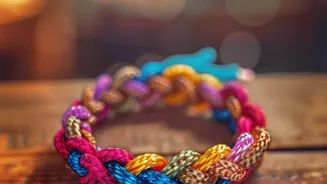
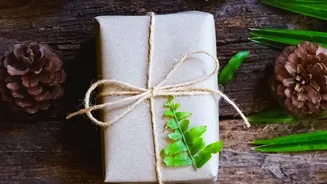
Embracing this trend is easier than ever, with many Indian brands offering beautiful, sustainable options. The rakhi itself is the perfect place to start. Many are now available as 'plantable' rakhis, made from seed paper that can be planted after the festival, allowing the bond to literally grow. Others are crafted from upcycled fabric scraps, designed to be reused as a bookmark or keychain. For gifts, consider items made from reclaimed materials like wooden desk organizers, brass trinket dishes that age beautifully, or stylish bags and accessories made from post-production textiles like leftover silk or denim. Even home decor items like cushion covers made with traditional techniques like Kantha stitching, which often uses old sarees, make for a wonderful and sustainable present.