







The Unravelling of Crash-Diet Culture
For years, the wellness world has been dominated by a simple, punishing mantra: to lose weight, you must eat less. This philosophy fuelled a billion-dollar industry of crash diets, promising rapid results through extreme calorie cutting. The problem,
as many have discovered, is that these diets often lead to a miserable cycle of restriction, nutrient deficiencies, metabolic slowdown, and rebound weight gain. When your body thinks it's starving, it goes into panic mode, slowing metabolism to conserve energy. Research shows that this metabolic suppression can be significant and persistent, especially after extreme dieting. Beyond the physical toll, the mental exhaustion of constant hunger and food fixation can lead to a poor relationship with eating and increased anxiety. Experts now believe a fundamental shift is underway, moving away from short-term fixes and towards sustainable, science-backed nutritional strategies.
What 'Fuller Plates' Really Means
The idea of a 'fuller plate' isn't about uncontrolled portion sizes; it's a strategic shift in focus from calorie density to nutrient density. This approach, often called 'volume eating,' prioritizes foods that are high in nutrients, water, and fiber but relatively low in calories. Think of a large, vibrant salad packed with leafy greens, crunchy vegetables, and lean protein versus a small, calorie-dense candy bar. Both might have a similar calorie count, but the salad takes up more space in your stomach, provides a wealth of vitamins and minerals, and keeps you feeling satisfied for much longer. The goal is to fill your plate with foods that nourish your body and promote satiety, allowing you to eat generous portions without derailing your health goals. This method helps manage calorie intake without the need for obsessive counting, which can be a trigger for disordered eating for some.
The Science of Feeling Full
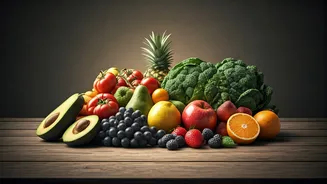
Satiety, the feeling of fullness and satisfaction after a meal, is the secret weapon against crash-diet thinking. Three key components work together to create this feeling: protein, fiber, and healthy fats. Protein is widely considered the most satiating macronutrient; it slows down digestion and influences hormones that signal fullness to the brain. Fiber, found abundantly in fruits, vegetables, and whole grains, adds bulk to your meals without adding significant calories. Soluble fiber, in particular, forms a gel-like substance in the gut that delays stomach emptying, helping to stabilize blood sugar and prolong fullness. Healthy fats, like those in avocados and nuts, also play a role by slowing down digestion and enhancing the satisfaction of a meal. A plate that combines these elements helps regulate appetite naturally, reducing the cravings and hunger pangs that so often lead to diet failure.
How to Build Your Own Fuller Plate
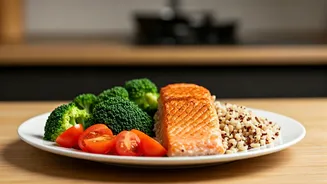
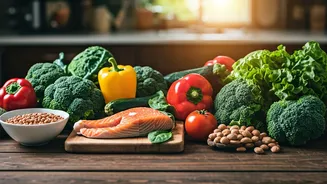
Transitioning to a fuller-plate philosophy is practical and flexible. Start by dedicating half of your plate to non-starchy vegetables like broccoli, leafy greens, carrots, and tomatoes. These foods are prime examples of high-volume, low-calorie options. Then, add a source of lean protein, which is essential for satiety and muscle health. Good choices include eggs, skinless chicken, fish, lentils, or Greek yogurt. Finally, include a source of fiber-rich carbohydrates like quinoa, oats, or beans, and a small amount of healthy fat from sources like olive oil or a handful of nuts. This approach doesn't require eliminating food groups but rather emphasizes balance and the quality of what you eat. The result is a meal that is physically and psychologically satisfying, making healthy eating feel like an act of abundance rather than deprivation.
A Healthier Mindset, Not Just a Healthier Body
The movement away from restrictive dieting and toward fuller, more nourishing plates is about more than just physical health; it's about fostering a healthier relationship with food. Approaches like intuitive eating, which encourage listening to your body's internal hunger and fullness cues, are gaining traction. Research shows that this non-diet approach is linked to numerous psychological benefits, including greater body satisfaction, higher self-esteem, and lower rates of emotional and disordered eating. By focusing on what you can add to your plate—more vegetables, more fiber, more protein—rather than what you must take away, the entire mindset around eating shifts from one of fear and control to one of nourishment and enjoyment.