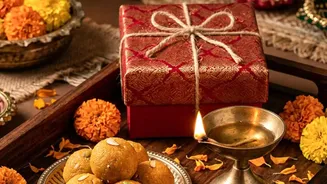

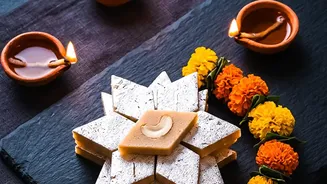
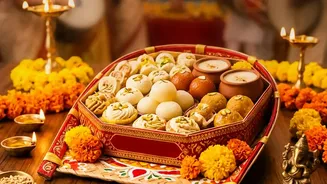
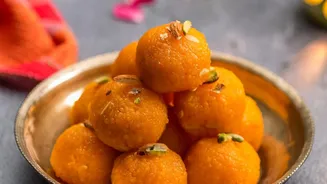
The aroma of freshly made mithai is the scent of Diwali itself. But as we embrace the festive cheer, the thought of sugar-laden sweets can be daunting. What if you could enjoy the indulgence without the guilt? It's entirely possible.
Rethink Sweetness: Go Beyond Sugar
The soul of mithai
is its sweetness, but that doesn't have to come from refined white sugar. Traditional Indian kitchens have long used healthier alternatives. Jaggery (gur) is a powerhouse of minerals like iron and calcium and has a lower glycemic index than sugar, which means it provides a slower, more sustained release of energy. Its complex, caramel-like flavour adds a rich depth to sweets like atta ladoo and peanut chikki. Another fantastic option is using dates and figs. These natural sweeteners are packed with fibre, which aids digestion. Anjeer barfi, made from figs and nuts, or dry fruit ladoos sweetened only with dates are delicious treats that are free of any added sugar.
Embrace Wholesome Flours
Many beloved Indian sweets use refined all-purpose flour (maida), which offers little nutritional value. A simple swap to whole wheat flour (atta) can make a significant difference, adding fibre and nutrients. Classics like atta ladoo or whole wheat barfi are perfect examples of this healthy switch. For those looking to experiment further, alternative flours like besan (chickpea flour), ragi (finger millet flour), and jowar (sorghum flour) are excellent choices. These flours are not only nutritious but also add unique textures and flavours. Besan Ladoo, a timeless favourite, is naturally rich in protein and fibre. Ragi ladoos are another brilliant option, providing calcium and helping to regulate blood sugar.
The Goodness of Ghee and Nuts
Fat has been unfairly villainised, but the right kinds are essential for our bodies. Pure ghee, or clarified butter, is central to Indian cooking and mithai making for good reason. It’s a healthy fat that aids digestion and adds an irreplaceable aroma and richness. Using good quality ghee is a cornerstone of healthy mithai. Nuts and seeds are another vital component. Almonds, cashews, pistachios, and walnuts are not just for garnish; they are packed with protein, healthy fats, and fibre. Incorporating them generously into sweets like dry fruit barfis or ladoos adds a satisfying crunch and boosts their nutritional profile significantly.
The Art of Mindful Indulgence
Even the healthiest sweet is best enjoyed in moderation. Mindful eating is key to navigating the festive season without overindulging. Instead of skipping meals to 'save calories' for a party, which often leads to overeating, stick to your regular meal schedule. When faced with a platter of sweets, don't feel obligated to try everything. Pick one or two of your absolute favourites and savour them slowly. Eating with awareness, paying attention to your body's hunger and fullness cues, allows you to enjoy the treats without guilt. Taking smaller portions and chewing thoroughly gives your brain time to register that you're satisfied.
Healthier Mithai Ideas to Try
Ready to put these principles into practice? Here are some health‐conscious mithai ideas. Anjeer Barfi or Date and Nut Ladoos are sweetened entirely by dry fruits and are packed with nutrients. You can make classic Besan Ladoo using jaggery instead of sugar for a protein‐rich option. Quinoa Jaggery Ladoos offer a modern, protein‐packed twist. Even traditional recipes can be adapted ; baked gujiyas or baked chaklis provide the same festive flavour with a fraction of the oil used in deep‐frying. By making these small but smart changes, you can prepare a Diwali spread that is both traditional and nourishing.