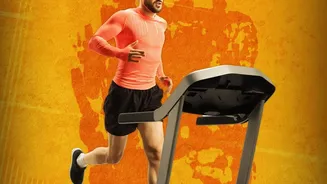








The Contenders: What Are HIIT and LISS?
First, let's define the terms. High-Intensity Interval Training (HIIT) involves short, all-out bursts of exercise followed by brief recovery periods. Think 30 seconds of sprinting followed by 60 seconds of walking, repeated for 15-20 minutes. The goal
is to push your heart rate to its upper limits (around 80-95% of your max) during the work intervals. On the other side is Low-Intensity Steady-State (LISS) cardio. This involves maintaining a consistent, moderate pace for a longer duration, typically 30 to 60 minutes. Examples include a brisk walk, a steady bike ride, or a light jog where you can still hold a conversation. The aim is to keep your heart rate in a lower, more sustainable zone, around 50-65% of your max.
For The Time-Crunched Professional
If your biggest enemy is the clock, HIIT is incredibly efficient. A complete session can be done in under 30 minutes, making it a powerful option for a lunch break or before the workday begins. LISS, by nature, requires a greater time commitment per session, often 45 to 60 minutes, to achieve a comparable caloric burn. For desk workers with packed schedules, the time-saving nature of HIIT is a significant advantage. It packs a huge fitness benefit into a fraction of the time compared to traditional cardio.
Burning Calories and The 'Afterburn' Effect
Both methods are effective for fat loss, but they work differently. LISS primarily uses fat as its main fuel source during the actual workout. HIIT, however, is famous for the 'afterburn effect,' known scientifically as Excess Post-Exercise Oxygen Consumption (EPOC). This means your metabolism stays elevated for hours after the workout as your body works to recover, burning extra calories long after you’ve stopped exercising. While LISS burns a higher percentage of fat during the session, the total calorie burn from a short, intense HIIT workout plus its afterburn effect can be greater overall.
Impact, Recovery, and Sustainability
This is where LISS shines, especially for desk workers who may be deconditioned or dealing with stiffness. LISS is low-impact and gentle on the body, making it accessible to all fitness levels and perfect for active recovery. Because it’s less taxing, you can do it more frequently. HIIT is the opposite; its high-impact, high-intensity nature puts significant stress on your joints and nervous system. This means it requires more recovery time, and experts typically recommend no more than two to three HIIT sessions per week to avoid injury and burnout. For someone starting out, jumping into intense workouts can be a recipe for injury.
The Mental Game: Stress vs. De-Stress
After a mentally taxing day at the office, the type of workout you choose can either add to your stress or relieve it. The intense, demanding nature of HIIT can be a great way to blow off steam for some, but for others, it can feel like another stressful task on a long to-do list. The steady, rhythmic nature of LISS is often described as meditative. A long walk or gentle cycle can be a powerful tool for mental decompression, reducing symptoms of anxiety and improving overall mood, which is a huge benefit for professionals managing high-stress jobs.
The Verdict: What’s Best for a Desk Worker?
Neither workout is universally superior; the best one depends entirely on your goals, schedule, and physical condition. Choose HIIT if your primary goal is maximum fat burning in minimum time and you are already have a base level of fitness. It’s perfect for the busy professional who can handle the intensity. Choose LISS if you are new to exercise, need a low-impact option, or want to use your workout as a form of stress relief and recovery. It’s more sustainable for daily movement. However, the optimal strategy for most desk workers isn't to choose one, but to combine both. A balanced routine leverages the strengths of each method while minimizing the drawbacks.