




Contact lenses offer incredible freedom from glasses, but this convenience comes with a critical responsibility: hygiene. Developing a few simple, daily habits is non-negotiable for protecting your eyes from discomfort and serious infections.
The Golden Rule: Clean Hands First
Before a
contact lens ever touches your eye, your hands must be impeccably clean. This is the most fundamental step in preventing eye infections. Wash your hands thoroughly with soap and water for at least 20 seconds. Opt for a mild soap without heavy moisturisers or fragrances, as these can leave a residue on your fingers that transfers to your lenses and causes irritation. Afterwards, dry your hands completely with a lint-free towel. Any specks of dust or lint can cling to your lens and feel like a boulder in your eye. Making this a consistent habit is your first line of defense against introducing harmful bacteria to your eyes.
The Big No-Go: Why Water and Lenses Don't Mix
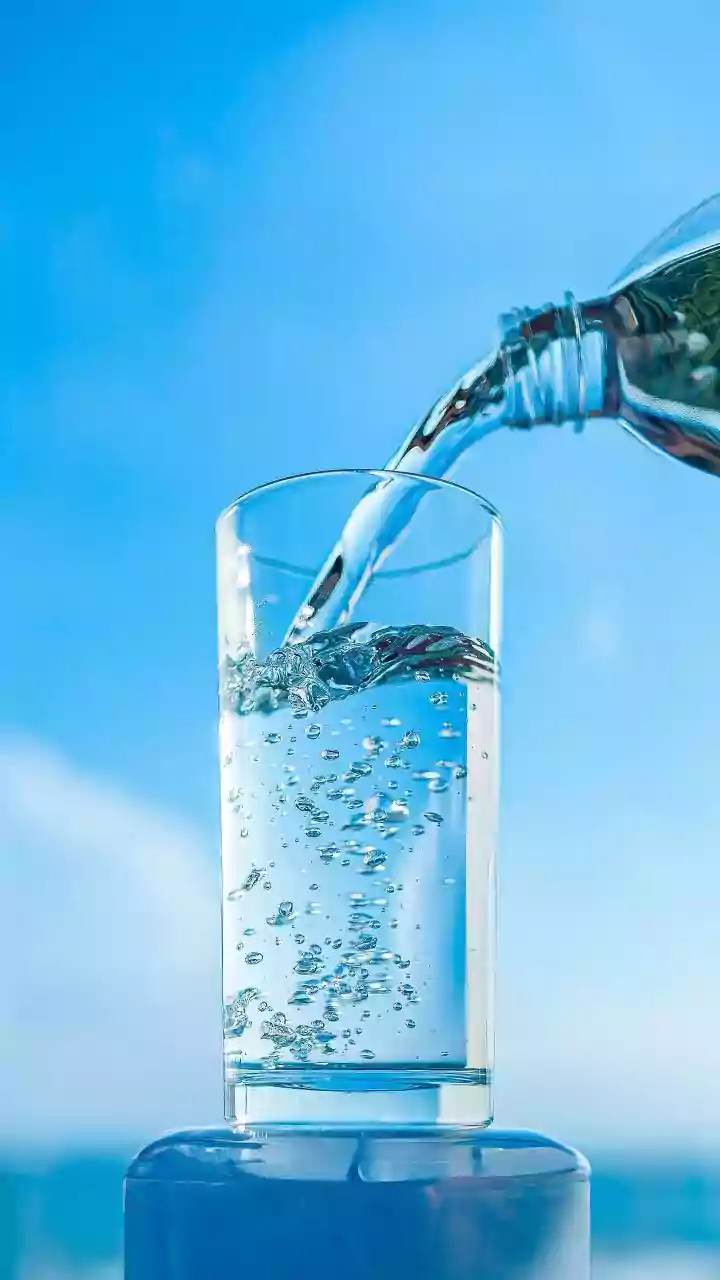
This is the most critical safety rule: never expose your contact lenses to any kind of water. This includes tap water, shower water, swimming pools, hot tubs, lakes, and oceans. While tap water is treated and generally safe to drink, it is not sterile and contains microorganisms. One of the most dangerous is an amoeba called Acanthamoeba. This microbe can adhere to your contact lens, and if it gets into your eye, it can cause Acanthamoeba keratitis—a rare, excruciatingly painful infection of the cornea that is difficult to treat and can lead to permanent vision loss or even blindness.
Navigating Showers and Swimming
The advice from eye care professionals is unanimous: remove your contact lenses before you shower, bathe, or get in a hot tub. Even keeping your eyes closed isn't a foolproof strategy, as steam and splashes can still get water onto or under your lenses. Water not only carries germs but can also cause soft contact lenses to swell, change shape, and stick uncomfortably to your eye, which can scratch your cornea and create an entry point for infection. If you must see while swimming, the safest options are prescription swimming goggles. If you accidentally expose your lenses to water, remove them as soon as possible. Daily disposables should be thrown away immediately, while reusable lenses must be thoroughly cleaned and disinfected before reinsertion.
Mastering the 'Rub and Rinse' Technique
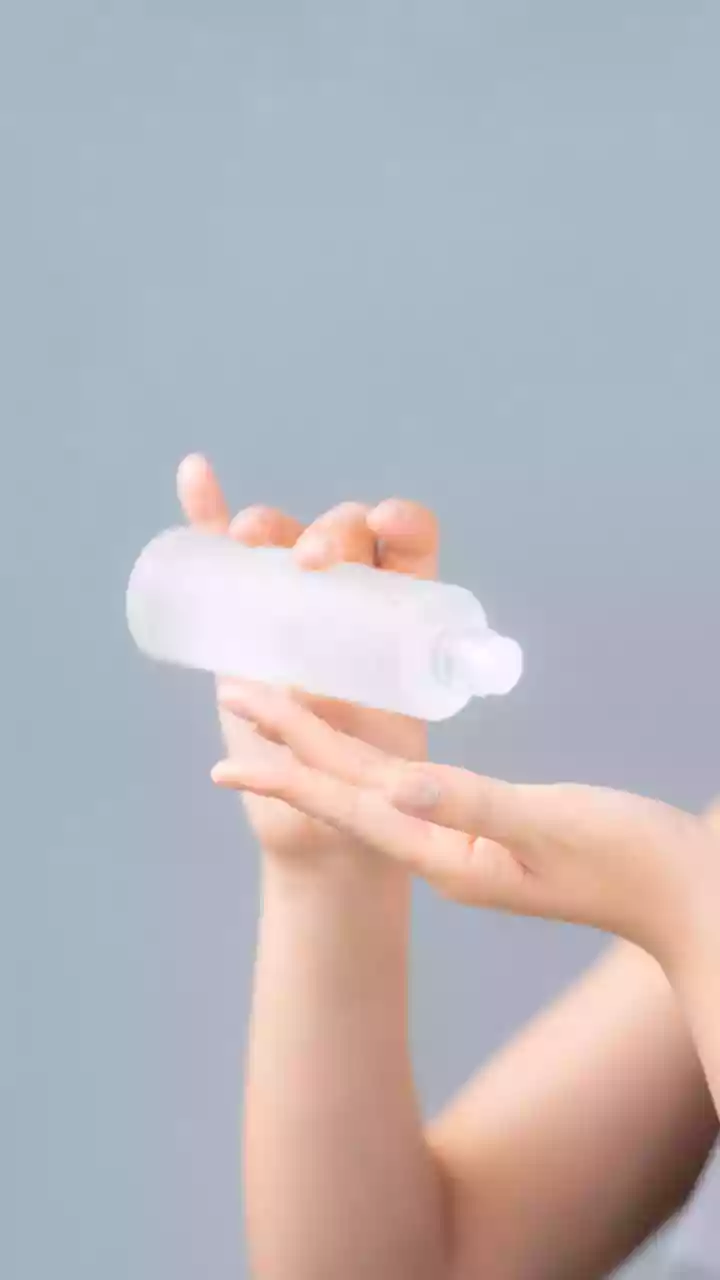
Properly cleaning your reusable lenses is more than just letting them soak. The 'rub and rinse' method is essential for removing buildup and microbes. After washing your hands, place a lens in your clean palm, apply a few drops of your prescribed disinfecting solution, and gently rub the lens with your finger for the time recommended by the manufacturer, typically 10 to 20 seconds. This mechanical rubbing action is crucial for dislodging protein deposits and debris. Even if your solution is labelled 'no-rub', most eye doctors still recommend this step for maximum safety. After rubbing, rinse the lens thoroughly with fresh solution before placing it in the case.
Your Lens Case Needs Care, Too
Your contact lens case can become a breeding ground for bacteria if neglected. Never use tap water to rinse your case. Every morning after you insert your lenses, discard the old solution, rinse the case with fresh contact lens solution, and let it air-dry upside down on a clean tissue with the caps off. Crucially, never 'top off' old solution with new solution; always discard the used liquid and start fresh every single night. To further reduce the risk of contamination, you should replace your contact lens case completely at least every three months.
Respect the Replacement Schedule
Finally, always adhere to the wearing schedule prescribed by your eye doctor. Whether you wear dailies, bi-weeklies, or monthlies, do not try to extend their life to save money. Overstretching lenses allows deposits and microbes to accumulate, increasing your risk of complications. Similarly, unless you are prescribed extendedwear lenses, never sleep in them. Sleeping in contacts significantly reduces the oxygen supply to your cornea, making your eyes more vulnerable to infection.