

Vrat-Friendly Flours and Grains
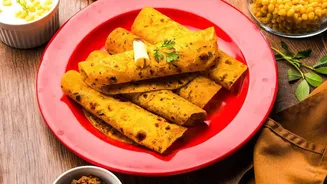
Since many devotees fast on Janmashtami, traditional grains like wheat and rice are often avoided. Instead, the kitchen pantry relies on special flours. Stock up on Singhare ka Atta (water chestnut flour), Kuttu ka Atta (buckwheat flour), and Rajgira
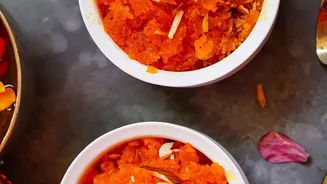
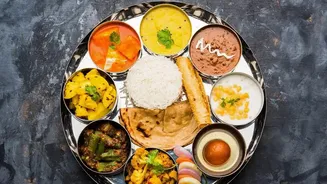
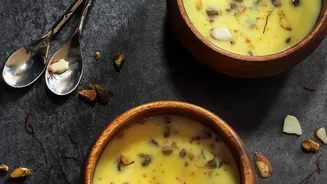
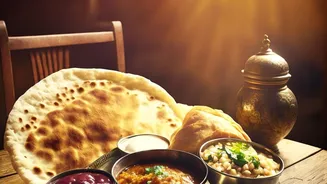
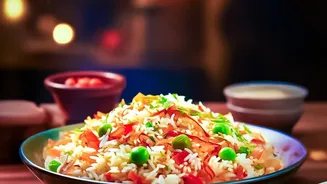
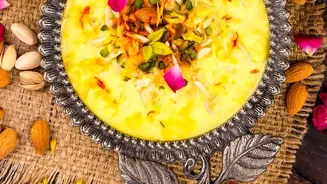
ka Atta (amaranth flour). These are used to make puris, parathas, and halwa. Sabudana (tapioca pearls) is another essential for making khichdi, vadas, and kheer. Sama ke Chawal (barnyard millet) serves as a perfect substitute for rice in pulao and khichdi preparations.
Dairy and Sweeteners
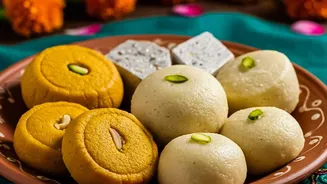
Lord Krishna's fondness for milk and butter, earning him the name 'Makhan Chor', makes dairy the star of Janmashtami cooking. Ensure you have an ample supply of full-fat milk for making kheer, rabri, and paneer at home. Fresh curd (dahi) is vital for Panchamrit and for serving alongside meals. Of course, white butter (makhan) is a must for making Makhan Mishri, a simple but essential offering. For sweeteners, stock up on Mishri (rock sugar), powdered sugar, and jaggery (gur). Jaggery adds a traditional, earthy sweetness to sweets like paag and laddus.
Essential Fats and Spices
Ghee is the primary cooking medium for most Janmashtami preparations, considered pure (saatvik) for festive cooking. It's used for frying puris, roasting nuts, and preparing sweets like Panjiri and laddus. In terms of spices, your list should include Sendha Namak (rock salt), the only salt permitted during the fast. For flavouring sweets, stock up on Elaichi (cardamom powder), a pinch of Kesar (saffron), and Jaiphal (nutmeg). For savoury dishes, keep Jeera (cumin seeds) and Kali Mirch (black pepper) handy.
Nuts and Dried Fruits
Nuts and dried fruits are indispensable, used generously as garnishes and key ingredients in many prasad items. Your shopping basket should include Makhana (fox nuts), which are roasted in ghee and used in kheer, paag, and savoury snacks. Almonds (badam), cashews (kaju), pistachios (pista), and raisins (kishmish) are crucial for making Panjiri, kheer, and various laddus. Dried coconut, either grated or desiccated, adds texture and flavour to Panjiri and other sweets.
Key Prasad Ingredients
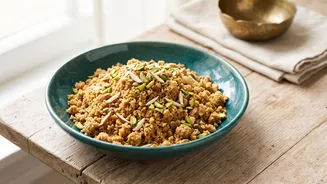
Certain dishes are central to the Janmashtami bhog. For the traditional Dhaniya Panjiri, you'll need whole coriander seeds (sabut dhaniya), as freshly roasted and ground powder provides the best aroma and taste. Panchamrit, the sacred five-nectar drink, requires milk, curd, honey, ghee, and sugar or mishri. Many devotees also add Ganga Jal and fresh Tulsi leaves to both Panjiri and Panchamrit, which are considered highly auspicious.
Fresh Produce and Puja Items
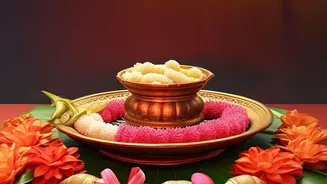
Don't forget the fresh items. A variety of fruits like bananas, apples, and pomegranates are offered as part of the bhog. Potatoes are a staple for vrat-friendly sabzis and tikkis. Green chillies and fresh coriander add a fresh kick to savoury dishes. For the puja itself, make sure you have flowers, especially marigolds, Tulsi leaves and sprigs, a small cradle (jhula) for Bal Gopal, and incense sticks.