


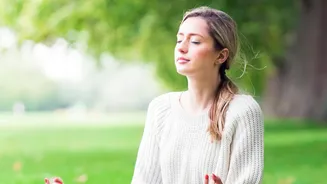
The Autopilot of Anxiety
When you feel stressed or anxious, your body's 'fight-or-flight' response kicks in. This is governed by the sympathetic nervous system, a survival mechanism that prepares you to face a perceived threat. Your heart rate increases, your muscles tense, and
your breathing becomes fast and shallow, often confined to your upper chest. While essential for genuine emergencies, this response can get stuck in the 'on' position due to daily stressors, leading to chronic feelings of anxiety. This state of high alert disrupts the natural balance of gases in the body and can prolong and even worsen the physical symptoms of stress, creating a feedback loop of anxiety.
Your Breath as the Control Switch
Here's the good news: you can consciously override this anxiety response. Breathing is unique because it's both an automatic function and something we can control. By deliberately changing the rhythm and depth of your breath, you can activate the parasympathetic nervous system, also known as the 'rest-and-digest' system. This system acts as a brake, sending powerful signals to your brain and body that the danger has passed and it's safe to relax. Slow, controlled breathing lowers your heart rate, reduces blood pressure, and calms your mind, effectively switching off the 'fight-or-flight' mode.
The Ancient Wisdom of Pranayama
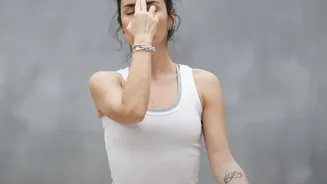
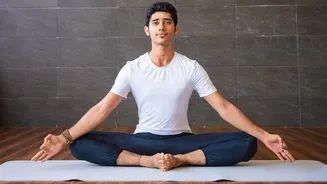
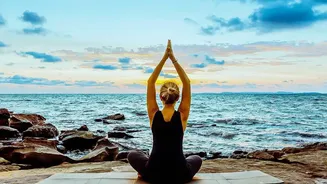
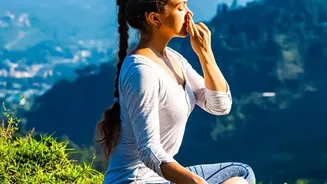
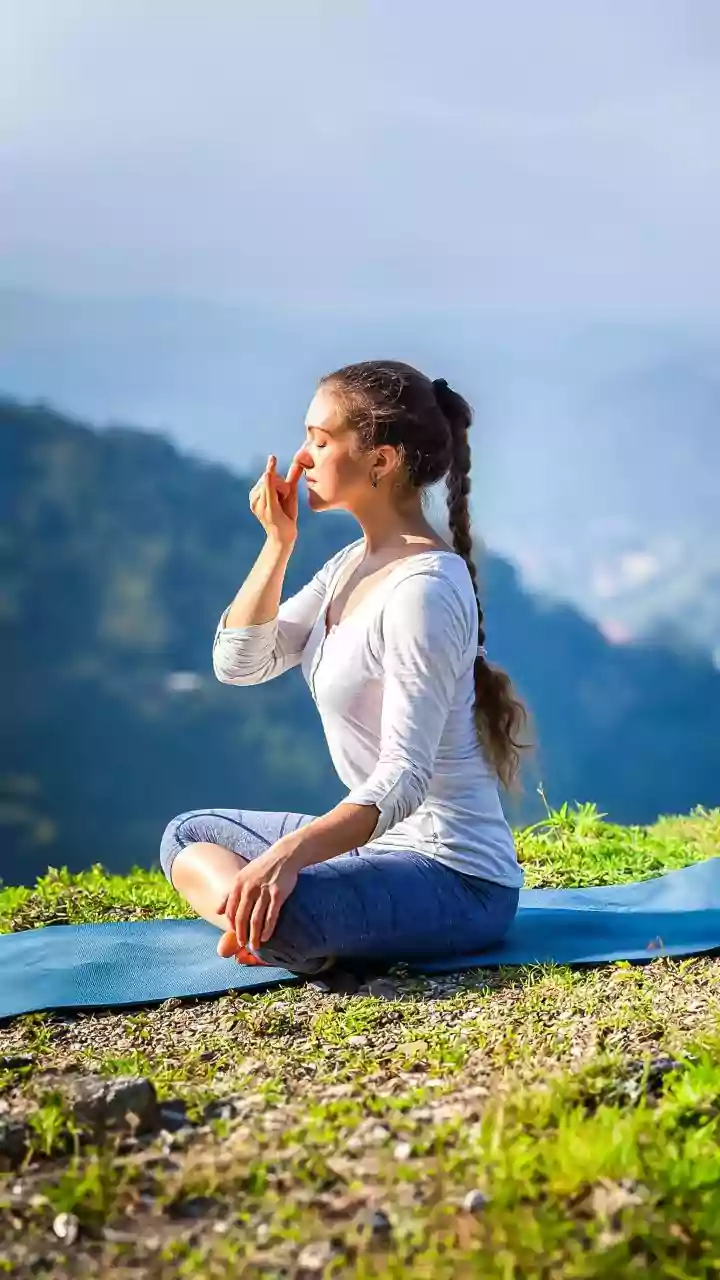
This is not a new discovery. For thousands of years, yogic traditions have used conscious breath regulation, known as Pranayama, to promote mental and physical well-being. The word 'Pranayama' translates from Sanskrit to the 'extension of life force'. It encompasses a variety of techniques designed to guide the flow of breath to calm the mind, improve focus, and restore balance to the nervous system. Scientific studies now confirm what practitioners have known for centuries: these breathing exercises can significantly reduce anxiety symptoms by modulating activity in the emotional regulation centers of the brain.
The Science of a Calming Breath
The key player in this process is the vagus nerve, the longest cranial nerve in your body, which acts as the main channel for your 'rest-and-digest' system. When you breathe slowly and deeply, especially with a longer exhale, you stimulate the vagus nerve. This increases what's known as 'vagal tone', which is linked to better stress resilience and improved heart rate variability (HRV) — a key marker of a healthy, adaptable nervous system. In essence, a slow exhale tells your brain that you are safe, triggering a cascade of calming physiological responses.
Simple Techniques for Immediate Relief
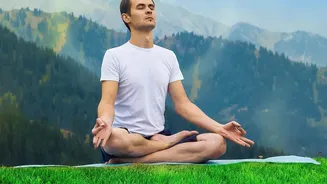
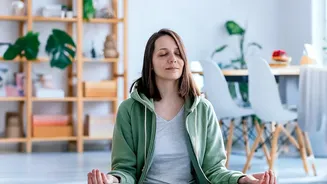
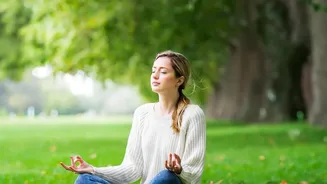
You don't need a yoga mat or a special studio to practice Pranayama. Here are two simple yet powerful techniques you can use anytime, anywhere to find immediate calm. Sama Vrtti or 'Box Breathing': This technique is excellent for grounding a racing mind. Sit comfortably. Inhale through your nose for a count of four. Hold your breath for a count of four. Exhale slowly through your nose for a count of four. Hold the breath out for a count of four. Repeat the cycle for 2-5 minutes. The 4-7-8 Breath: Developed to promote deep relaxation, this exercise is especially helpful before sleep or during moments of high stress. Sit upright. Inhale quietly through your nose for a count of four. Hold your breath for a count of seven. Exhale completely through your mouth, making a whooshing sound, for a count of eight. This completes one cycle. Repeat for four cycles. The long exhale is crucial for activating the relaxation response.