




Hack 1: Ditch Cotton, Embrace Synthetics
This is the golden rule of monsoon travel. Cotton acts like a sponge; once wet, it stays damp for days in the high humidity of the Ghats, leaving you with a bag of musty, heavy clothes. The solution is to build your wardrobe around quick-drying fabrics.
Think polyester blends, rayon, and other synthetics. These materials don't absorb much water and can air-dry in a few hours, even indoors. Pack two to three quick-dry t-shirts, a pair of lightweight joggers or synthetic trousers, and you’ll be able to wash and re-wear your core outfits throughout the trip, keeping your bag light and your clothes fresh.
Hack 2: Master the Art of Layering Your Rain Gear
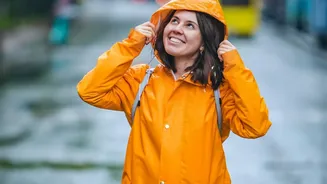
A single heavy raincoat often isn't the best choice. For treks, a poncho is often superior as it offers better ventilation and covers both you and your backpack. However, for general sightseeing, a lightweight, packable waterproof jacket is perfect. The real hack is to think in layers. Your outer layer keeps the downpour out, but what about the pervasive dampness and mist? A lightweight fleece or a synthetic vest underneath your rain jacket provides warmth without bulk on chilly, wet evenings in places like Munnar or Coorg. This system allows you to adapt to changing conditions, whether you're caught in a sudden storm or just dealing with a cool, misty morning.
Hack 3: A Multi-Bag System for Electronics
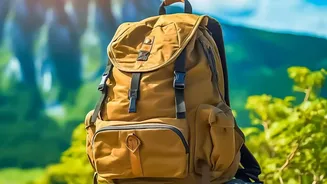
In the monsoon, assume your main backpack will get wet. Water-resistant is not waterproof, and hours of continuous rain can find its way through seams and zippers. To protect your phone, power bank, and camera, use a multi-layered defence. The first line is a small, dedicated dry bag or a high-quality zip-lock bag for your electronics. For an extra layer of protection, throw in a few silica gel packets—the kind you find in new shoe boxes—to absorb any ambient moisture that gets in. This small kit then goes inside your main backpack. For your phone, a transparent waterproof pouch that hangs around your neck is a game-changer, allowing you to use your device for navigation or photos even in light rain.
Hack 4: The Right Footwear for Mud and Floods
Heavy, waterproof trekking boots might seem logical, but they can be a mistake in the Ghats. Once water gets in over the top—which it will—a waterproof boot traps it, leaving your feet waterlogged. Experienced monsoon trekkers often prefer lightweight, quick-drying trail shoes with excellent grip or even sturdy, strapped floaters/sandals. The key is drainage and grip on slippery, moss-covered rocks. For your downtime at the hotel or homestay, a pair of simple flip-flops is essential. They let your feet breathe after a long day in wet shoes and are perfect for navigating puddles around your accommodation.
Hack 5: Prepare for the Uninvited Guests—Leeches
If you're trekking through the forests of the Western Ghats, you will encounter leeches. While they are largely harmless, the experience can be unsettling. Prevention is key. The best defence is a pair of anti-leech socks, which are long gaiters that go over your trousers and prevent leeches from crawling up your leg. In their absence, tucking your trousers firmly into a thick pair of socks can also work. Carry a small bottle of hand sanitizer, Dettol, or a salt-and-turmeric mix. Applying a dab of this to a latched-on leech will make it fall off immediately; never just pull it, as its mouthparts can remain in the wound and cause infection.
Hack 6: The 'One Dry Set' Rule
No matter what else happens, always keep one complete set of clothes—including innerwear and socks—sealed in a separate, waterproof dry bag. This isn't your outfit for tomorrow; this is your emergency-use-only set. After a full day of trekking through torrential rain, or if you take an unexpected tumble into a stream, being able to change into something completely dry and warm is a massive morale booster and a crucial safety measure against hypothermia. This simple discipline separates the seasoned monsoon traveller from the novice and ensures you always have a comfortable end to even the wettest of days.