
Beyond the Usual Takeaway
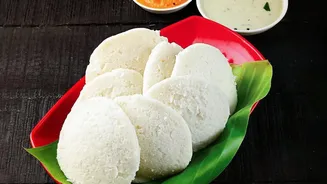
For years, the urban Indian diner's choice was often limited to a predictable rotation of North Indian, Indo-Chinese, and generic 'South Indian' fare. While beloved, this narrow selection barely scratches the surface of India's vast culinary diversity.
A quiet hunger for authenticity has been growing—a desire for food that tells a story, tastes of a specific place, and feels like it was cooked with care, not just for commerce. This craving for something more has paved the way for a new wave of food entrepreneurs who are redefining what it means to order in.
The Rise of the Home Chef
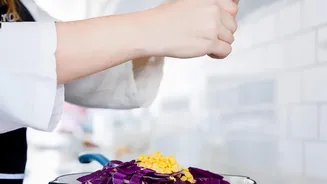
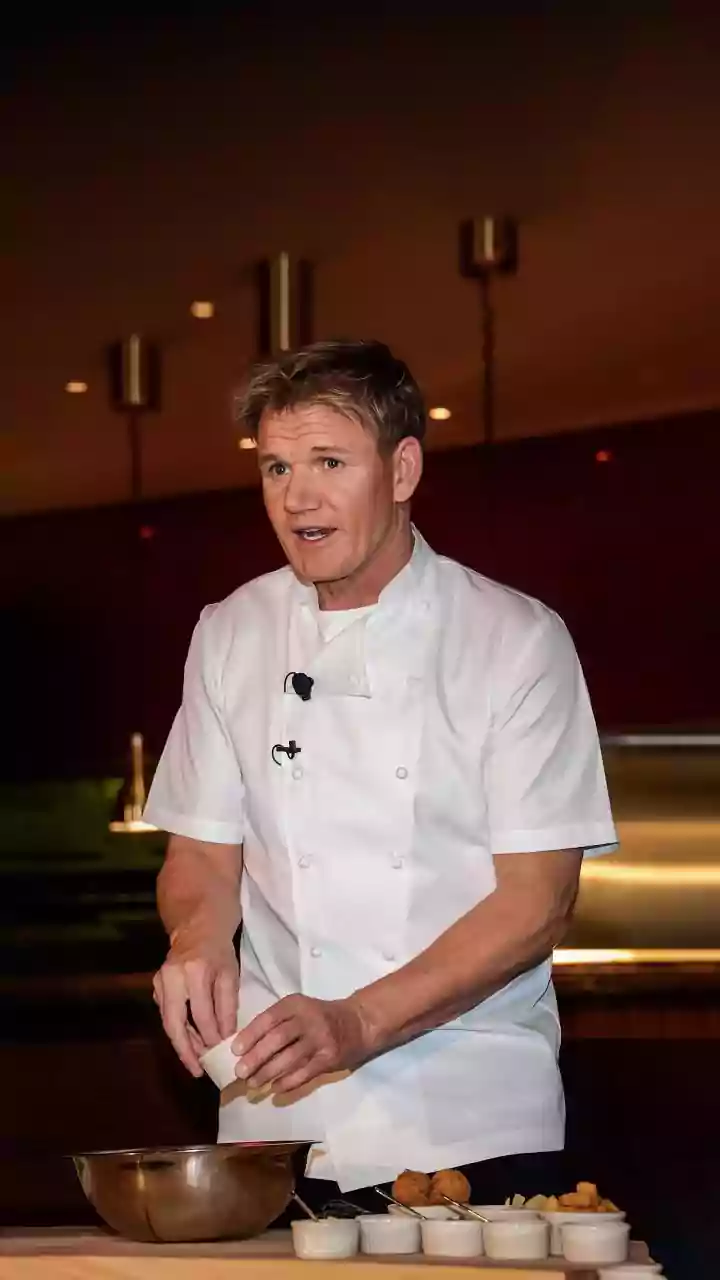
At the heart of this movement are home chefs, many of whom are women turning their passion for cooking into a viable business. Armed with generations-old family recipes, these culinary artists are bringing forgotten dishes and hyper-regional specialities to a wider audience. Platforms and apps dedicated to home-cooked meals have emerged, empowering these chefs by handling logistics like delivery, payments, and marketing. This allows them to focus on what they do best: cooking. For many, it's an opportunity for financial independence and a way to preserve their cultural heritage, one order at a time.
A Taste of Authenticity
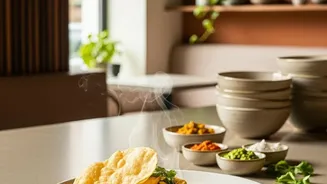
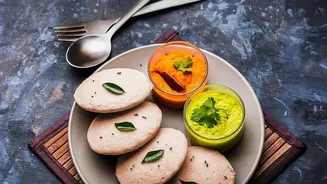
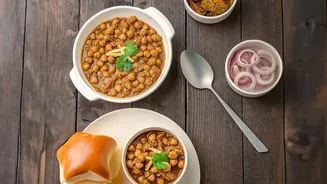
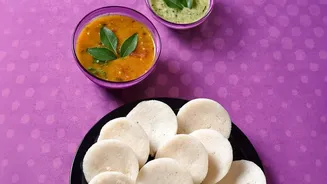
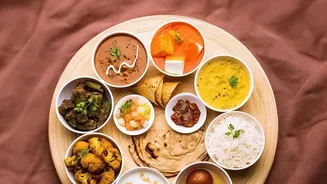
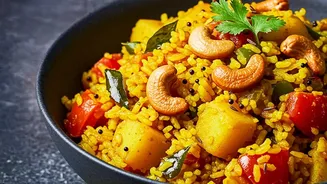
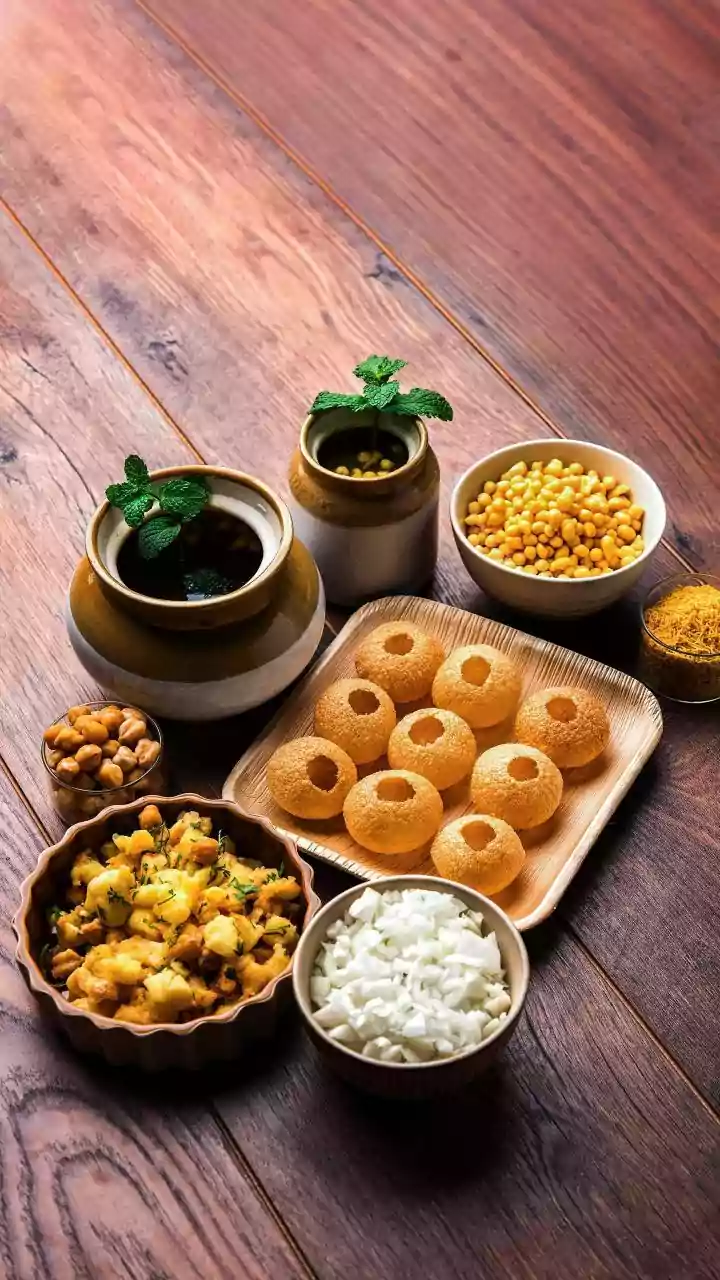
The flavours now available are a testament to India's rich tapestry of cuisines. Imagine ordering a spicy, coconut-rich Koli seafood curry, a speciality of Mumbai's fishing community, from a home kitchen like Every Aroma. Or perhaps a robust, slow-cooked dish from the North-East, a region whose smoky, earthy flavours are finally getting their due. Delivery outlets like Baraat are celebrating this diversity by building their entire menu around regional specialities from Punjab, Rajasthan, Bengal, Goa, and Kerala. Diners can now explore everything from the complex spice blends of Chettinad Chicken and the tangy punch of Goan Fish Curry to the comforting simplicity of a traditional Varan Bhaat from Maharashtra. These are dishes that were once confined to family homes or specific communities, now accessible with just a few taps on a screen.
Technology Fuels the Revolution
This culinary renaissance wouldn't be possible without technology. Food delivery apps and social media platforms like Instagram have become powerful tools for discovery and distribution. They have democratised the food industry, allowing a home chef in a small apartment to compete with a large restaurant chain. By removing the need for expensive real estate and front-of house staff, the delivery only 'cloud kitchen' model has lowered the barrier to entry for many aspiring food entrepreneurs. These platforms not only connect chefs with customers but also create a space for storytelling, where a photo or a video can convey the history and love baked into every dish.
More Than Just a Meal
Ordering from a home chef or a niche delivery kitchen is about more than just convenience; it's a conscious choice. Consumers are increasingly seeking transparency, health, and an emotional connection to their food. They want to know who is cooking their meal and the story behind the recipe. This trend is a form of cultural preservation, acting as a living archive of India's culinary history. As chefs and home cooks revive forgotten dishes like Bhatt ki Churkani from Kumaon or document tribal recipes using Mahua flowers, they are ensuring that these flavours are not lost to time. Every order becomes an act of participation in keeping this rich heritage alive.