






From Guard Dog to Fur Baby
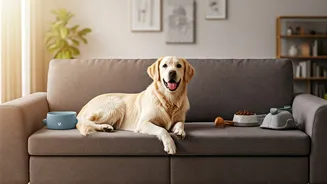
The transformation is visible everywhere, from bustling metros to smaller towns. The family pet, once relegated to the verandah or backyard, now occupies prime real-estate on the sofa—and in the family's emotional core. The term 'pet parent' has firmly
replaced 'pet owner', signalling a fundamental change in the relationship. This isn't just semantics; it's a reflection of a new reality. Dogs and cats are no longer just animals; they are 'fur babies' or 'companions'. This shift is evident in the choices people make. Pet menus at cafes, specialised grooming salons offering 'pawi-cures', and designer accessories are no longer a novelty reserved for the ultra-rich. Many urban households now celebrate their pets' birthdays with custom-made, pet-safe cakes and 'paw-ties' attended by other furry friends. Social media profiles dedicated to a pet's daily life garner thousands of followers, turning them into micro-celebrities in their own right. This 'humanization' of pets means their needs—physical, emotional, and even social—are being considered with a seriousness once reserved for children.
Why This, and Why Now?
Several socio-economic factors are fuelling this 'pet-first' revolution. Urbanisation and the rise of nuclear families are primary drivers. As young professionals move to cities for work, often leaving their extended families behind, loneliness becomes a significant challenge. A pet offers unconditional love and companionship that fills this void. For many millennials and Gen Z, who are often delaying marriage or choosing not to have children, pets become a focal point for their nurturing instincts. The COVID-19 pandemic accelerated this trend exponentially. Extended lockdowns and work-from-home arrangements highlighted the need for emotional support, and pet adoption rates soared. These 'pandemic puppies' and 'lockdown kittens' solidified their place as integral family members, providing comfort and a welcome distraction from the surrounding uncertainty. Furthermore, rising disposable incomes allow people to spend more on their pets' well-being, moving beyond basic necessities to premium products and services.
The Booming Pet Economy
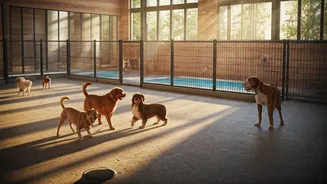
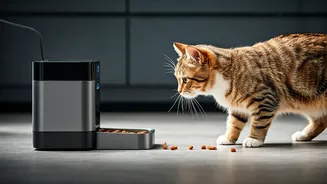
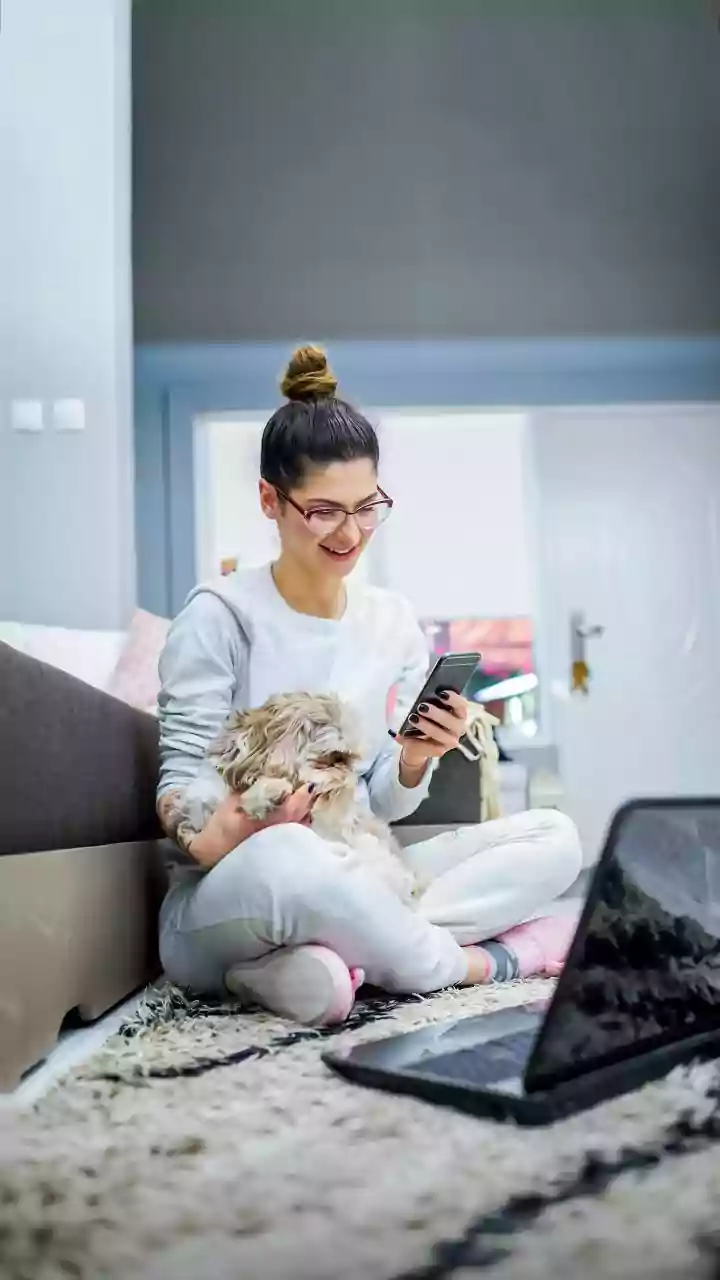
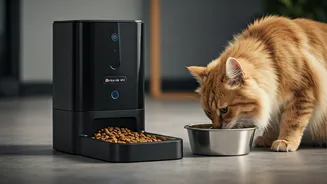
Where there is demand, a market follows. India's pet care industry is one of the fastest-growing in the world, projected to reach over ₹21,000 crore by 2032. This isn't just about a greater volume of pet food sales; it's about diversification and premiumisation. Shelves are now stocked with grain-free, organic, and breed-specific diets. The service sector is booming with pet-friendly cafes, hotels, and travel agencies. Pet daycare centres and 'creches' cater to busy pet parents, while professional trainers and behaviourists help address complex behavioural issues. Technology is also playing a huge role. 'Pet-tech' is a rapidly emerging field, with everything from GPS trackers and automated feeders to apps that connect pet owners with walkers, sitters, and veterinarians. Pet insurance, once unheard of, is now a growing segment, helping parents manage the high costs of veterinary care for accidents and illnesses. This vibrant economy is creating new jobs and business opportunities, all centred around the well-being of our four-legged family members.
New Rules for a New Reality
This societal shift is not without its challenges. The most common hurdle for urban pet parents is housing. Many Resident Welfare Associations (RWAs) and landlords still hold outdated, often illegal, anti-pet biases, leading to conflicts over the use of lifts, parks, and common areas. However, awareness is growing, and animal welfare laws are increasingly being cited to protect the rights of pet parents and their companions. Public infrastructure is also slowly adapting. More parks are carving out designated dog-friendly zones, and an increasing number of establishments are opening their doors to well-behaved pets. The conversation is changing from 'Should pets be allowed?' to 'How can we accommodate pets responsibly?' This involves creating clear guidelines for cleanliness, safety, and etiquette, ensuring that the growing love for pets doesn't inconvenience those who may not share the same enthusiasm.