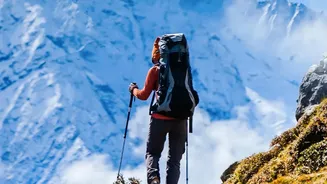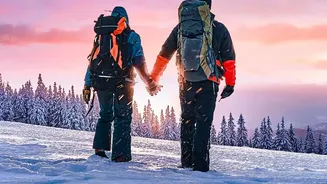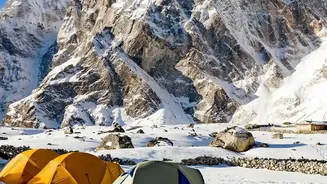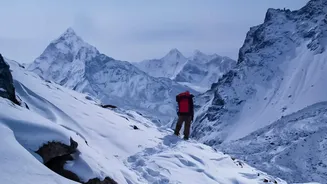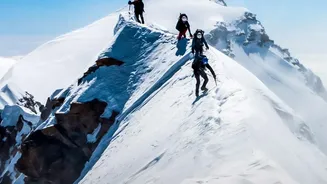


The Reality of High-Altitude Winter
Before lacing up your boots, it's crucial to understand what 'winter conditions' at high altitudes truly mean. From mid-December to February, temperatures on popular trekking routes in states like Uttarakhand regularly plummet. While daytime temperatures might
hover between a manageable 2°C to 10°C in the sun, nights are unforgiving, with mercury dropping to between -5°C and -15°C at higher campsites. Wind chill on exposed ridges and summits can make it feel significantly colder. Fresh snowfall is common, transforming trails into a deep blanket of white that can be knee-deep in January, the peak winter month. This environment demands not just physical fitness but also serious preparation and the right gear.
Kedarkantha: The Classic Beginner's Snow Summit
Often called the 'Queen of Winter Treks', Kedarkantha in Uttarakhand is arguably the most popular choice for those new to snow trekking. Reaching an altitude of 12,500 feet, the trail is considered easy-to-moderate and is well-supported. The season's first heavy snowfall typically arrives by mid-December, covering the pine forests and freezing the famous Juda Ka Talab lake. In January, the trek's coldest month, you can expect a thick carpet of snow all the way to the summit, with night temperatures at the base camp plunging to -10°C or even -15°C. February offers a good balance with ample snow and sunnier, longer days, making it a favourite among many guides. Because of its popularity, especially around Christmas and New Year's, booking this trek well in advance is advised.
Brahmatal: For Views and Frozen Lakes
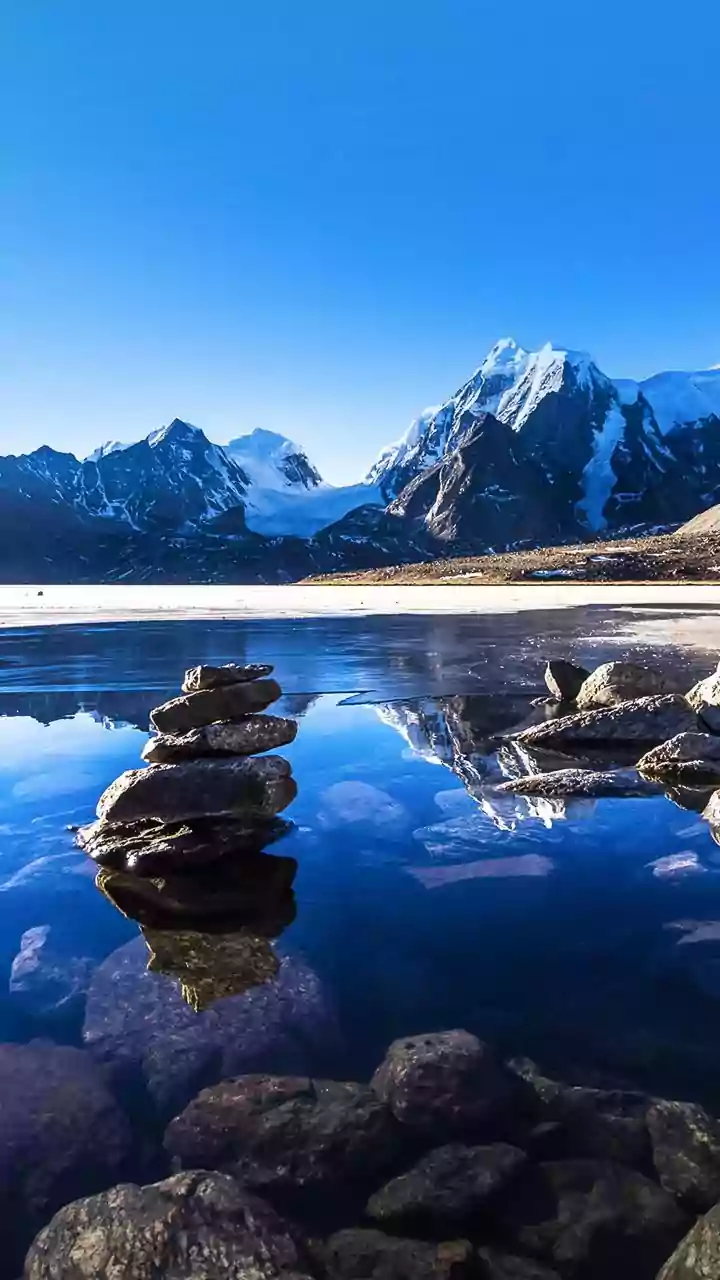
Another Uttarakhand gem, the Brahmatal trek is famous for its stunning views of high peaks like Mt. Trishul and Nanda Ghunti and for the two frozen high-altitude lakes, Bekaltal and Brahmatal. At around 12,250 feet, its weather is comparable to Kedarkantha. Snow begins to settle in December, with temperatures at night falling to between -5°C and -10°C. January is peak winter here as well, with the trail fully covered in snow and night temperatures dropping to -12°C or lower. The lakes typically freeze solid, creating a magical landscape. The trek is graded as moderate, slightly more demanding than Kedarkantha, but accessible to fit beginners ready for the sub-zero conditions.
Dayara Bugyal: A Vast White Meadow
If your dream is to walk across vast, rolling meadows covered in a blanket of pristine snow, Dayara Bugyal is an excellent choice. This trek, also in Uttarakhand, is rated easy-to-moderate and is considered one of the best for beginners and families. The main attraction is the huge alpine meadow ('Bugyal'), which offers spectacular views. Snowfall usually begins in late December and lasts through March. Winter temperatures are similar to other treks in the region, with daytimes around 5°C to 10°C and nights dropping to a cold -5°C to -10°C. While the gradient is generally gentle, walking in deep snow elevates the difficulty from easy to moderate, requiring good fitness and stamina.
Essential Safety and Gear for Winter
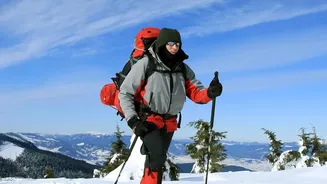
No matter which trek you choose, safety in winter is paramount. The right gear is non-negotiable. The key is layering: a moisture-wicking base layer, a fleece or insulated mid-layer, and a waterproof, windproof outer shell jacket. Waterproof trekking shoes with good grip are essential, and gaiters are needed to stop snow from entering your boots. Protecting your extremities is vital, so invest in good-quality waterproof gloves, woolen socks, and a warm cap or balaclava to prevent heat loss. Always carry an insulated water bottle to prevent your water from freezing. Most importantly, always trek with a reputable operator with experienced guides who understand high-altitude safety, acclimatization protocols, and emergency procedures.