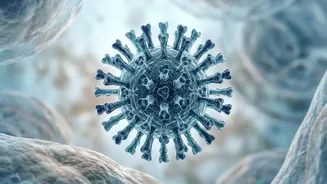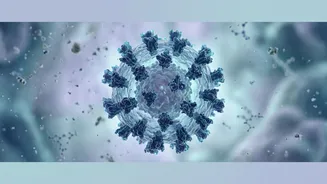







What is the PJ.2.1 variant?
PJ.2.1 is a descendant of the Omicron lineage of SARS-CoV-2. It is what scientists call a 'saltation variant', which means it carries a surprisingly large number of genetic mutations compared to its direct ancestors. After its initial detection in Ontario,
Canada, on May 2, 2026, it has since been identified in numerous countries, including the United States, several European nations, and parts of Asia. This rapid intercontinental spread has prompted the World Health Organization (WHO) and other public health bodies to monitor it closely. The name PJ.2.1 follows the Pango lineage system, a scientific method for tracking genetic evolution, which is more specific than the Greek letters (like Alpha, Delta, Omicron) used for broader public communication.
Is it more transmissible or severe?
Early research suggests PJ.2.1 may have an edge in transmissibility. One reason is its enhanced ability to bind to the ACE2 receptor, which is the primary entry point for the virus into human cells. Some lab studies have shown it can enter cells more efficiently than some other circulating strains. However, and this is a key point, there is currently no evidence to suggest that PJ.2.1 causes more severe disease, higher rates of hospitalisation, or increased mortality. While it is spreading efficiently, health authorities note that hospitalisation numbers are not rising disproportionately, suggesting the illness it causes is not more severe than other recent variants. Most experts are urging caution but not alarm.
What are the key symptoms?
The symptoms of PJ.2.1 largely overlap with other respiratory illnesses like the flu and common cold, which makes it impossible to diagnose based on symptoms alone. The most commonly reported signs of infection include a severe sore throat, cough, fever or chills, headache, fatigue, and nasal congestion. Some reports have highlighted that the sore throat can be particularly pronounced, and that some people experience significant weakness and prolonged fatigue (asthenia) during the recovery period. As with more recent Omicron-family variants, the loss of taste and smell is less common than it was with earlier strains of COVID-19, but it can still occur. The WHO has emphasised that testing remains the only definitive way to confirm a COVID-19 infection.
How effective are vaccines and treatments?
This is often the biggest question with any new variant, and the early data for PJ.2.1 is reassuring. Preliminary studies have found that antibodies produced by updated COVID-19 vaccines are still effective at neutralising the PJ.2.1 variant. One study noted that the reduction in vaccine effectiveness was less significant for PJ.2.1 compared to several other variants currently circulating. This suggests that the fall 2026 vaccine boosters, designed to target more recent versions of the virus, should still provide a good level of protection against severe illness. As always, vaccination remains the most effective tool for preventing severe outcomes from COVID-19.
What is the public health advice?
The advice from public health authorities remains consistent and focuses on layered protection. If you feel sick with respiratory symptoms, you should stay home to avoid spreading the virus to others, especially those who are vulnerable. When in crowded indoor spaces or on public transport, wearing a well-fitting, high-quality mask is an effective way to reduce your risk. Good hand hygiene—washing frequently with soap and water or using an alcohol-based sanitiser—is also crucial. Health officials continue to encourage everyone to stay up to date with their recommended flu and COVID-19 vaccinations, as this is the best defense against serious illness from all circulating respiratory viruses.