
A Sun-Soaked Success Story
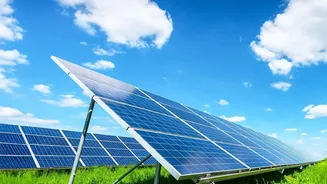
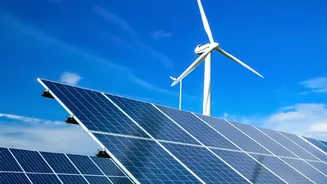
India's solar energy growth has been nothing short of spectacular. The country's installed solar capacity surged to over 162 gigawatts (GW) by mid-2026, a massive leap from just under 3 GW in 2014. This boom, driven by ambitious government targets and
falling technology costs, has placed India among the world's top solar power producers. In the first half of 2026 alone, a record 26 GW of new solar capacity was added. This rapid expansion is a cornerstone of India's strategy to generate 500 GW from non-fossil fuel sources by 2030 and achieve its climate goals. However, simply generating power is only half the battle. The next, and perhaps more difficult, phase involves delivering it reliably across the nation.
The Transmission Bottleneck
The first major hurdle is transmission. India's power grid, largely designed for predictable, centralised fossil fuel plants, is struggling to cope with the influx of variable renewable energy. Much of the country's solar potential is concentrated in resource-rich states like Rajasthan and Gujarat, far from major demand centres. Getting this power across the country requires a massive and modernised transmission network. Currently, the build-out of this infrastructure is lagging behind the rapid installation of solar farms. This mismatch leads to grid congestion and a problem known as 'curtailment'—where grid operators are forced to ask solar plants to reduce or stop generation because the grid simply cannot handle the power. In the second quarter of 2026, India was forced to curtail over 8,100 gigawatt-hours (GWh) of solar power to maintain grid security, highlighting the urgency of the transmission gap.
When the Sun Doesn't Shine
The second critical issue is storage. Solar power is intermittent by nature; it is abundant during sunny afternoons but disappears at night, just as evening demand for lighting and cooling often peaks. This creates a major challenge for grid stability. Without a way to store the excess energy generated during the day, the grid must rely on fossil fuel plants to fill the gap after sunset. This is where energy storage, particularly large-scale Battery Energy Storage Systems (BESS), becomes essential. Storage allows the grid to save solar power when it's plentiful and dispatch it when it's needed most, ensuring a reliable, round-the-clock supply of clean energy. It transforms solar from a variable source into a dependable one, which is crucial for phasing out coal dependency.
Forging the Missing Links
Recognising these challenges, India is now shifting focus to building the necessary infrastructure. The Green Energy Corridors project is a massive initiative aimed at creating dedicated transmission networks to seamlessly integrate renewable energy into the national grid. This involves constructing thousands of kilometres of new transmission lines and substations to connect renewable-rich states with high-demand areas. On the storage front, the government is actively promoting solutions. Policies are being put in place to mandate energy storage obligations for utilities and co-location of batteries with new solar and wind projects. The government estimates India will need around 61 GW of energy storage capacity by 2030 to support its clean energy ambitions. While challenges like land acquisition for transmission lines and the high initial cost of storage remain, the policy direction is clear: the future of Indian energy is not just about generation, but also about smart and stable delivery.