







An Ocean Running a Fever
The Indian Ocean is warming faster than any other tropical ocean basin. This isn't a gradual, far-off trend; it's a present-day reality manifesting as marine heatwaves—prolonged periods of abnormally high sea surface temperatures. Think of it as a persistent,
simmering heat that stretches across huge swathes of the sea. The Indian National Centre for Ocean Information Services (INCOIS) has recently issued alerts for marine heatwaves across the Arabian Sea and Bay of Bengal, with temperatures in some locations surging up to 4°C above normal. This relentless accumulation of heat, equivalent to the energy of numerous atomic bombs every second, is fundamentally altering the ocean's chemistry and behaviour.
The Unpredictable Monsoon
For millions, the monsoon is the lifeblood of the subcontinent. Yet, its reliability is being undermined by warming seas. Warmer oceans inject excess heat and moisture into the atmosphere, creating the potential for more intense rainfall and cloudbursts. However, this doesn't guarantee a good monsoon. Widespread marine heatwaves in the North Indian Ocean can weaken the crucial pressure difference between land and sea that drives the monsoon winds, leading to reduced evaporation and a weaker-than-normal season. The result is an increasingly erratic and unpredictable pattern: periods of intense, flooding rains punctuated by long, dry spells, threatening India's water and food security.
A Crisis for Coastal Livelihoods
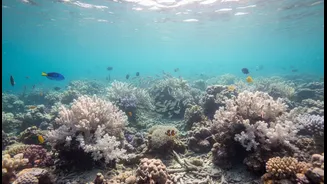
The heat is forcing a great migration beneath the waves. Temperature-sensitive fish like the Indian oil sardine and mackerel are fleeing to cooler, deeper waters, away from their traditional grounds. Along the Kerala coast, for example, the sardine catch has plummeted as sea temperatures exceed the species' optimal range. This forces small-scale fishers to travel farther out to sea, increasing their costs and risks for a dwindling catch. Beyond fish, the very foundation of the marine ecosystem is at risk. Marine heatwaves are a primary driver of coral bleaching, destroying the critical nursery habitats that sustain countless species. A single heatwave event in the Gulf of Mannar bleached 85% of corals, a devastating blow to the region's biodiversity and the fishing economies that depend on it.
Fuelling Fiercer Cyclones
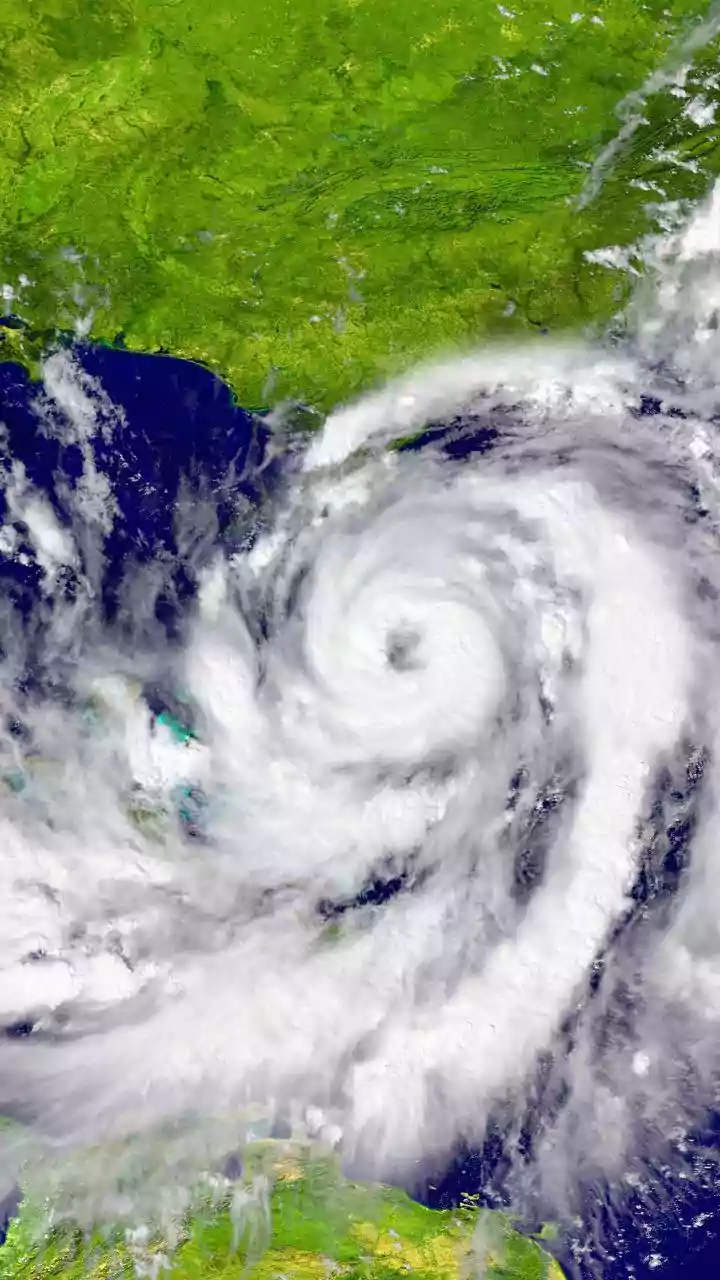
Warmer oceans are a direct source of fuel for tropical cyclones. High sea surface temperatures provide the heat and moisture that cyclones need to form and, crucially, to intensify rapidly. Scientists have observed a clear link between marine heatwaves and the rapid intensification of cyclones in the Arabian Sea and Bay of Bengal, where a storm can escalate from a Category 1 to a catastrophic Category 5 in less than 24 hours. This leaves coastal communities with dangerously little time to prepare for storms that are not only stronger but also carry significantly more moisture, leading to more extreme rainfall and flooding when they make landfall. The intensity of cyclones in the Arabian Sea has already increased by as much as 40% in recent decades.
The Threat of a Rising Sea
The impact of ocean warming isn't just felt through the weather; it's physically encroaching on India's shores. As water warms, it expands, a phenomenon that contributes directly to sea-level rise. Combined with the melting of glaciers, this has led to an accelerated rate of sea-level rise along India's coast, outpacing the global average. According to a World Meteorological Organisation (WMO) report, the sea level along the Indian coast is rising at about 4.9 mm per year, a rate that threatens to submerge low-lying coastal areas and increase the frequency and severity of coastal flooding. This puts millions of people and vital infrastructure in cities like Mumbai, Chennai, and Kolkata at increasing risk.