


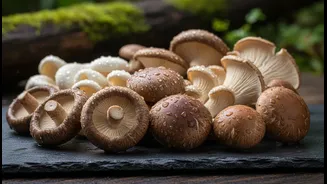



The Science of the Season
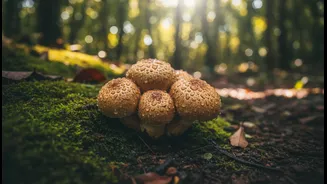
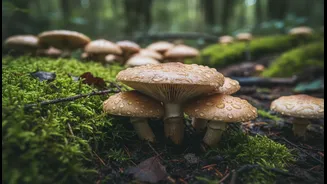
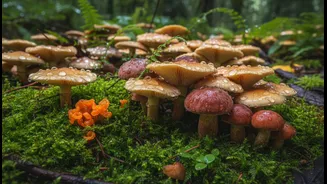
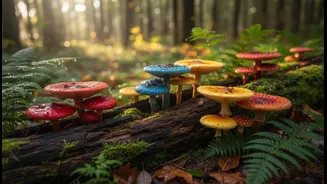
The connection between rain and mushrooms is more than just a coincidence; it's a matter of biology. Mushrooms are the fruiting bodies of fungi, the visible part of a vast, thread-like underground network called mycelium. For most of the year, this network lies
dormant. The arrival of the monsoon, with its high humidity and abundant moisture, acts as a trigger. The water saturates the soil and logs, activating the mycelium and providing the perfect conditions for it to send up the mushrooms we see and eat. Some folklore traditions even link their emergence to thunderstorms, with theories suggesting that lightning strikes can release nitrogen or create electrical impulses that stimulate growth.
A Symphony with Termites
Some of India's most prized monsoon mushrooms have a unique partner: termites. In Goa and across the Western Ghats, the celebrated 'Olmi' or 'Alami' mushrooms belong to the Termitomyces family. These mushrooms grow on termite mounds in a symbiotic relationship that is millions of years old. The termites cultivate the fungi within their mounds to help break down plant matter for food. In return, the monsoon rains cause the fungi to fruit, bursting forth from the termite hills in a much-anticipated annual event. This incredible natural partnership is why these specific mushrooms cannot be cultivated commercially, making them a truly wild and seasonal delicacy.
The Stars of the Monsoon Plate
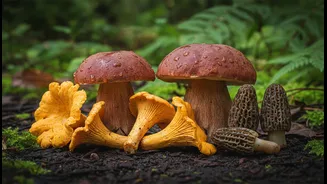
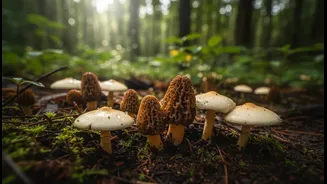
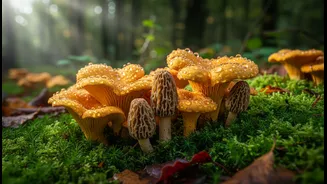
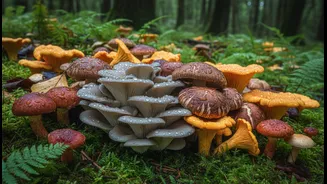
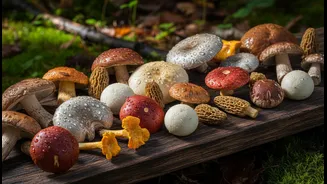
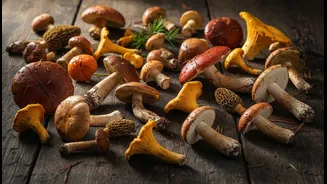
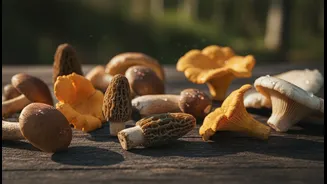
The variety of edible mushrooms that appear during the Indian monsoon is astounding, each with a unique place in regional cuisine. In Goa, the 'Olmi' are the stars of rich, coconut-based Xacuti curries. Head to Jharkhand, and you might find 'Rugda', a round, fleshy mushroom often called 'vegetarian mutton' for its substantial texture. In the Himalayas, foragers seek out the prized 'Gucchi' or morels, known for their honeycombed appearance and intense, earthy flavour. In Odisha and Jharkhand, the 'Bihiden' mushroom holds cultural significance and is considered a special offering. These wild varieties offer a depth of flavour and a meaty bite that cultivated button mushrooms rarely match, making them a highlight of monsoon feasts.
A Taste of Tradition and Community
Foraging for wild mushrooms is a practice steeped in tradition, particularly within India's tribal communities. This isn't just about finding food; it's about deep-rooted ecological knowledge passed down through generations. Communities in the Western Ghats, the Himalayas, and Northeast India have centuries-old wisdom about which mushrooms are safe to eat, where they grow, and the perfect time to harvest them. The monsoon hunt often becomes a community activity, strengthening social bonds. The mushrooms that are gathered are used for personal consumption and also sold in local markets, providing a vital source of seasonal income for many families.
A Word of Caution
The allure of foraging is strong, but it comes with a critical warning. The world of wild fungi is filled with look-alikes, and many delicious edible mushrooms have poisonous twins that can cause severe illness or even be fatal. The saying among experts is a wise one: “There are old mushroom hunters, and there are bold mushroom hunters, but there are no old, bold mushroom hunters.” Identifying mushrooms is a skill that requires expert training and years of experience. Unless you are with a knowledgeable local guide or are absolutely certain of a mushroom's identity, it is safest to admire them from afar and purchase them from a trusted vendor at a local market.