
Why Gentle Heat Works Wonders
The texture of a vegetable is determined by its cell walls, which are held together by a natural glue called pectin. High, aggressive heat can violently break down these structures, turning a crisp vegetable into a soggy disappointment. Gentle cooking,
however, softens these components carefully. It tenderises the vegetable just enough to be pleasant to eat while preserving its inherent structure, resulting in textures that can be crisp-tender, silky, or creamy, but never mushy. Controlling the heat gives you precise control over the final feel of the food.
Steaming: For a Crisp, Vibrant Bite
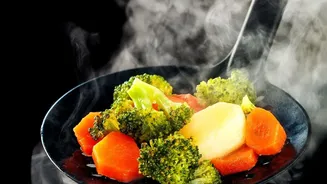
Steaming is a powerhouse for nutrient retention and texture. By cooking vegetables in the hot vapour above boiling water, they are never submerged. This prevents them from becoming waterlogged and helps retain their shape, vibrant colour, and a satisfying, crisp-tender bite. This method works exceptionally well for vegetables you want to keep firm, such as broccoli florets, asparagus spears, and green beans. The key is to stop cooking as soon as a knife meets just a little resistance. The result is a vegetable that tastes fresh and clean.
Poaching: For a Silky, Delicate Texture
Poaching involves gently simmering vegetables in a liquid like water, broth, or even milk. This low-heat method is perfect for more delicate items or for when you want a supremely tender, almost silky texture. Because the food is fully submerged, it cooks evenly without the risk of drying out. Poaching is ideal for leeks, fennel, and firm fruits like pears, infusing them with the flavour of the cooking liquid while making them meltingly soft. This technique is all about gentle transformation, creating a refined and elegant result.
Blanching: To Brighten and Tenderise
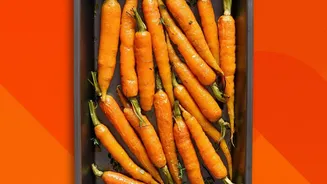
Blanching is a two-step process: a quick dip in boiling water followed immediately by a shock in an ice bath. The initial boil partially cooks the vegetable and sets its colour, often making greens appear more vibrant. The ice bath instantly halts the cooking process, locking in that colour and a crisp texture. This technique is fantastic for preparing vegetables for freezer storage, as it deactivates enzymes that can lead to loss of flavour and texture. It’s also great for tenderising vegetables like carrots or green beans for use in salads or on a crudité platter.
Sous Vide: The Ultimate in Precision
For the ultimate control over texture, sous vide is unmatched. This method involves vacuum-sealing vegetables in a bag and cooking them in a precisely temperature-controlled water bath. Because the temperature never fluctuates, you can achieve textures that are impossible with other methods. For example, you can cook carrots to be perfectly tender while still retaining a distinct snap. This technique works by breaking down pectin at a very specific temperature (around 84°C), ensuring perfect, uniform doneness from edge to edge without any chance of overcooking.