



The Great Escape from City Heat
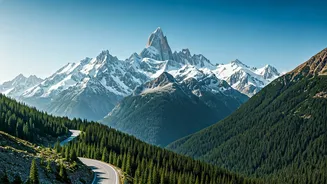
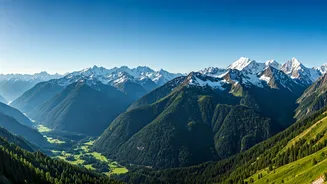
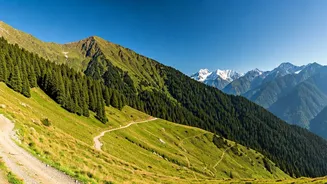
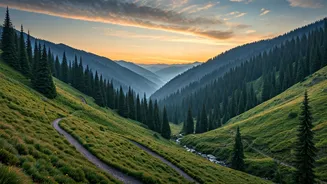
The primary driver for this weekly migration is simple: relief. When cities across the plains sizzle, the cool, pine-scented air of the mountains offers a near-perfect antidote. Hill stations like Shimla, Manali, and Mussoorie have long served as summer
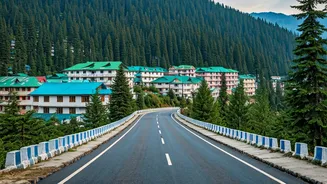
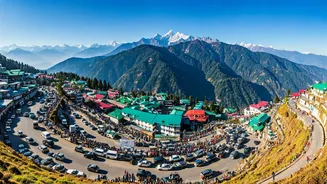
capitals, first for the British Raj and now for anyone looking to trade oppressive temperatures for pleasant weather. In June 2026, this trend is as strong as ever, with a massive tourist surge reported across popular destinations as people flee the scorching heat. Shimla, with its temperatures hovering around a pleasant 25 degrees Celsius, has become a major attraction, leading to hotel occupancy rates soaring to around 90%. The appeal is primal—a chance to breathe fresh air, enjoy misty landscapes, and remember what it feels like to be comfortable outdoors.
A Quest for Peace and Quiet
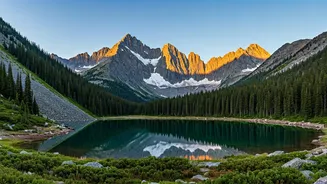
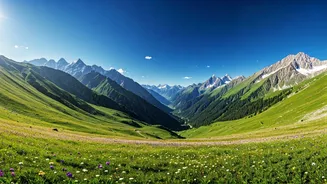
Beyond the physical comfort, the weekend exodus is also a search for mental peace. City life, with its constant noise, pollution, and work stress, creates a deep-seated need for a tranquil escape. The hills provide a serene backdrop for overworked minds to unwind. While popular spots like Shimla's Mall Road can be crowded, many wanderers are increasingly exploring lesser-known destinations for a quieter experience. Places like Kasauli, Chindi, and Landour offer the same mountain charm but with fewer crowds, making them ideal for those who truly want to disconnect. The rise in popularity of destinations like Tirthan Valley and even quieter hamlets like Dobhi and Rajgundha shows a clear trend: travellers are seeking authenticity and solitude, away from the bustling tourist hubs.
The Thrill of the Open Road
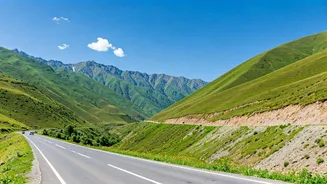
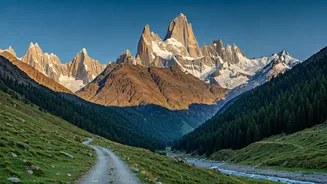
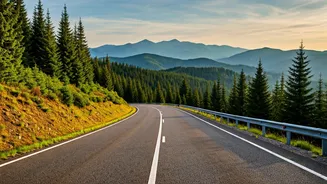
For many weekend wanderers, the journey is as much a part of the experience as the destination. The drive from cities like Delhi or Chandigarh is a ritual in itself—a transition from urban chaos to mountain calm. The accessibility of Himachal Pradesh and Uttarakhand is a key factor, with a drive to Shimla taking approximately 7-8 hours from Delhi. The rise of spontaneous travel, with nearly half of all trips being booked within three days of departure, highlights this desire for a quick and easy getaway. This road-trip culture transforms a simple vacation into an adventure, offering changing landscapes, the freedom of the open road, and the anticipation of the cool mountain air that lies ahead.
Adventure on the Horizon
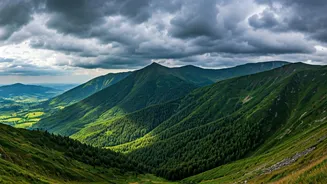
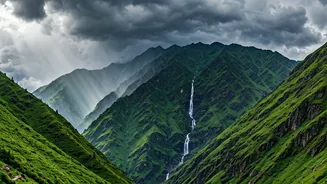
The hills aren't just for quiet contemplation; they are also a playground for the adventurous. North India offers a wide array of activities that cater to thrill-seekers. Destinations like Manali serve as a gateway for trekking, paragliding in Solang Valley, and river rafting on the Beas River. The Kheerganga trek in Parvati Valley, famous for its scenic beauty and hot water springs, is another popular choice for a weekend adventure. Even for beginners, there are accessible treks like the Triund trail near McLeod Ganj, which offers stunning views of the Dhauladhar mountain range. This blend of serenity and adventure allows visitors to choose their own pace, making the hills an ideal destination for diverse groups of travellers.
The Price of Popularity
This irresistible pull, however, comes at a cost. The massive influx of tourists, especially during peak season weekends, puts immense pressure on the fragile infrastructure of these mountain towns. In June 2026, popular routes to Manali and Shimla have been choked with heavy traffic, with reports of over 7.5 lakh vehicles entering Shimla district in June alone. This phenomenon, often termed 'overtourism,' leads to not just traffic jams but also parking shortages, pressure on local resources like water, and environmental damage. While the tourism boom provides a much-needed economic boost for local businesses, authorities face the growing challenge of balancing this growth with sustainable infrastructure and environmental management.