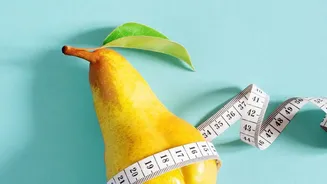






In the world of fruit, both pineapple and pear are delicious, sweet, and popular choices. But when it comes to nutrition, especially immune-boosting Vitamin C, they are far from equal. So, which one should you be adding to your fruit bowl?
The Vitamin C Champion
Let's get straight
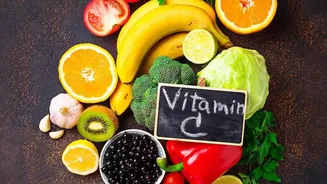
to the point: if you're looking for a Vitamin C powerhouse, pineapple is the undisputed winner. A 100-gram serving of fresh pineapple contains approximately 47.8 mg of Vitamin C. In stark contrast, the same amount of pear offers around 4.3 mg. To put that in perspective, pineapple has more than ten times the Vitamin C content of a pear. Considering the recommended daily intake for adults is about 75 mg for women and 90 mg for men, a cup of pineapple chunks can get you close to, or even exceed, your entire day's requirement. A pear, while still contributing, plays a much smaller role in reaching that daily goal.
Why This Essential Vitamin Matters
Vitamin C, or ascorbic acid, is crucial for more than just fighting off the common cold. It's a powerful antioxidant that protects our cells from damage caused by free radicals. This vital nutrient is essential for the growth and repair of tissues throughout the body, helping to produce collagen for healthy skin, heal wounds, and maintain cartilage, bones, and teeth. It also plays a key role in supporting our immune system by stimulating the production of white blood cells, which are our body's primary defense against infection. Since our bodies cannot produce or store Vitamin C, we must get it from our diet every day.
The Pear's Superpower: Fiber
While it may lose the Vitamin C battle, the pear has a significant nutritional advantage in another area: dietary fiber. A medium-sized pear contains about 6 grams of fiber, which is over 20% of the daily recommended intake. This is more than double the fiber found in a comparable serving of pineapple. Pears are an excellent source of both soluble and insoluble fiber, which work together to promote digestive health. This fiber helps maintain bowel regularity, prevents constipation, and feeds the beneficial bacteria in your gut. The high fiber content also helps slow the absorption of sugar, which can aid in managing blood sugar levels, and contributes to a feeling of fullness, making pears a great choice for weight management.
Pineapple's Secret Weapon: Bromelain
Beyond its impressive Vitamin C and manganese content, pineapple is the only major dietary source of a unique enzyme mixture called bromelain. Found in the fruit's flesh and stem, bromelain is known for its powerful anti-inflammatory properties. Studies suggest it may help reduce swelling, bruising, and pain after injuries or surgery. It also functions as a digestive aid, specifically helping to break down protein molecules, which is why fresh pineapple is sometimes used as a meat tenderizer. While more research is needed, bromelain's ability to combat inflammation and support digestion adds another layer to pineapple's health benefits.
A Quick Nutritional Overview
When looking at the broader nutritional picture, the two fruits are quite similar in some respects. Per 100 grams, both are low in fat and have comparable calorie and sugar counts, with pineapple at 50 calories and pear at 57. They both offer small amounts of various B vitamins and minerals like potassium. However, pineapple generally provides a wider array of vitamins and minerals in higher quantities, including manganese, copper, and several B vitamins like B1 and B6. Pears, on the other hand, contain more Vitamin K. One other consideration is the glycemic index, which measures how quickly a food raises blood sugar. Pears have a low glycemic index of 38, while pineapple's is higher at 66.