







The Annual Monsoon Shutdown
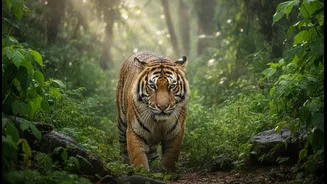
Across India, from Ranthambore in Rajasthan to Kanha in Madhya Pradesh and Tadoba in Maharashtra, the core zones of most major tiger reserves have begun their annual closure. This shutdown, typically lasting from early July until the end of September,
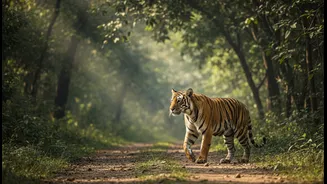
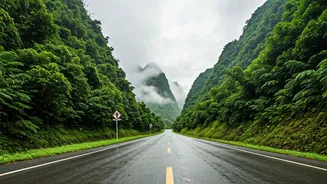
is a mandated practice guided by the National Tiger Conservation Authority (NTCA). The primary reasons are both ecological and logistical. The heavy rains make the unpaved forest tracks inside the core areas slippery, muddy, and often impassable, posing a safety risk to visitors and staff. Parks like Jim Corbett, Bandhavgarh, and Sariska are all following this essential protocol, pressing pause on tourism activities within their most protected habitats.
Core vs. Buffer: What's the Difference?
To understand why your safari might still be on, it’s vital to know the two main zones of a tiger reserve. The 'core' area is the central, most protected part of the park. It's designated as a critical tiger habitat, where human activity is kept to an absolute minimum to allow wildlife to thrive undisturbed. This is the sanctuary's heart. Surrounding this is the 'buffer' zone. This area acts as a transitional space between the core forest and human settlements. Here, rules are more relaxed, allowing for a mix of conservation efforts and regulated human activities, including tourism, research, and sustainable resource use by local communities. This two-tiered structure is a cornerstone of India's wildlife management strategy, designed to protect animals while integrating local economies.
A Necessary Pause for Nature
The monsoon closure is far more than just an operational hurdle; it’s a critical period of rejuvenation for the entire ecosystem. This is the primary breeding season for tigers and many other species, who need privacy and solitude. Constant human presence can cause stress and disrupt natural behaviours. By closing the core areas, the parks allow wildlife to breed and raise their young without interference. Furthermore, the break allows the forest habitat itself to heal. The rains spur the growth of lush new vegetation, replenishing food sources for herbivores and strengthening the entire food chain. It’s a calculated, life-giving pause that ensures the long-term health and ecological balance of these precious environments.
Your Monsoon Safari Is Still Possible
The good news for wildlife enthusiasts is that while the core is off-limits, many buffer zones remain open for tourism. In recent years, forest departments in states like Maharashtra and Madhya Pradesh have made a concerted effort to keep buffer gates open, allowing eco-tourism activities like jeep safaris to continue. Parks like Tadoba, Pench, Ranthambore (zones 6-10), and Satpura will offer guided safaris in their buffer areas. While sightings can be more challenging due to the dense, green cover, the experience is unique. The forests are vibrant and alive with the sounds of rain and calls of rare birds. You might also spot wildlife like leopards, sloth bears, wild dogs, and various deer species. Plus, there are fewer crowds, offering a more intimate and serene jungle experience.
A Shift Towards Sustainable Tourism
Keeping buffer zones open isn't just a win for tourists; it’s a strategic move that supports local communities and promotes a more sustainable model of tourism. Revenue generated from buffer zone activities directly benefits the villages located there, providing employment and incentivising their participation in conservation efforts. This model ensures that the economic benefits of tourism are distributed more widely and don't come at the cost of the core area's ecological integrity. It represents a balanced approach, allowing people to experience the magic of the forest while its most vulnerable heartland gets the protection and rest it needs to flourish for years to come.