




The Power of a Focal Point
In interior design, a focal point is the first thing that captures your attention when you enter a room. It gives the eye a place to land, creating a sense of order and purpose. While this can be a piece of art, a fireplace, or a feature wall, a large
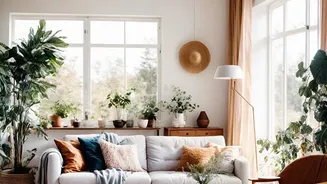
houseplant offers a unique combination of life, texture, and vertical interest. A tall plant draws the eye upward, making ceilings feel higher and a room more spacious. It can soften empty corners, add a pop of vibrant colour, and bring a calming, natural element indoors that static decor simply cannot replicate. Using a large plant as a focal point simplifies your design process; instead of building a look from many small pieces, you start with one major statement and arrange other elements to complement it.
Choosing Your Green Centrepiece
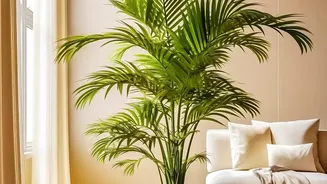
Selecting the right plant is crucial. You need a variety that not only has the height and presence to make a statement but also suits your home's environment. For Indian homes, several options are both beautiful and adaptable. The Fiddle Leaf Fig (Ficus lyrata) is a perennial favourite for its huge, glossy, violin-shaped leaves. It thrives in bright, indirect light and adds a touch of modern drama. Another excellent choice is the Bird of Paradise (Strelitzia reginae), with its large, banana-like leaves that create a lush, tropical vibe. It enjoys bright light and can even handle some direct sun. For a more graceful, feathery look, the Areca Palm is a classic that purifies the air and fits well in corners. The Rubber Plant (Ficus elastica), with its dark, moody leaves, is a hardy option that can tolerate a range of conditions.
Strategic Placement is Key
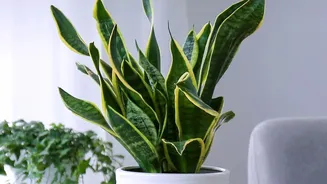
Where you place your plant determines its impact. The most common and effective spot is an empty corner, which can instantly turn an awkward, unused area into a deliberate design feature. Placing a tall plant in a corner softens the sharp architectural lines and adds depth without obstructing pathways. Another great strategy is to place a plant next to a major piece of furniture, like a sofa or a console table. This helps to frame the furniture and create a more cohesive, layered look. You can also use a pair of matching tall plants to flank a window, doorway, or fireplace, creating a sense of symmetry and grandeur. Always consider the plant's light needs first. A Fiddle Leaf Fig needs a spot near a bright window, while a Snake Plant is more forgiving of lower light.
The Pot: More Than Just a Container
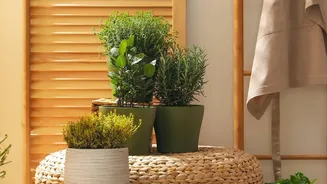
The planter you choose is as much a part of the decor as the plant itself. Don't treat it as an afterthought. The pot should complement both the plant and the overall style of your room. For a modern or minimalist aesthetic, a simple ceramic pot in a neutral colour like white, grey, or black works well. For a bohemian or rustic vibe, consider a woven basket or a terracotta planter. The size and shape of the pot should also be in proportion to the plant. A tall, slender plant might look best in a wider, more grounded pot to create balance. Whatever your choice, ensure it has drainage holes at the bottom to prevent water from collecting and causing root rot, a common issue for many indoor plants.
Building the Room Around Your Plant
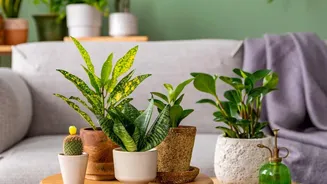
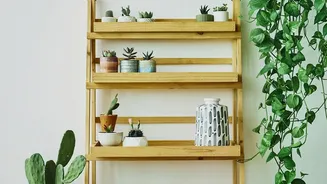
Once your statement plant is in place, decorating the rest of the room becomes easier. Use the plant as your anchor and colour inspiration. Pull accent colours from its leaves—varied shades of green, or even the tones of its pot—for cushions, throws, or smaller decor items. To create a lush, layered look, follow the 'rule of three' by grouping your large plant with two smaller ones of varying heights and textures. You can place a smaller plant on a stool or side table nearby. Balance is essential; if you have a large plant on one side of the room, consider a lamp, a piece of art, or a tall shelf on the other side to ensure the visual weight is distributed evenly.