


The Great Digital Shift
Not long ago, beauty trends followed a predictable path: they were born on international runways, adapted by Bollywood, and then trickled down to the metros of Mumbai, Delhi, and Bengaluru. But the rapid rise of affordable smartphones and cheap data has
completely redrawn this map. Today, platforms like Instagram Reels and YouTube Shorts have become national stages, accessible to anyone with a phone and a point of view. A survey noted that Instagram Reels is a major influence on purchase decisions, with nearly half of consumers discovering new beauty products through the feature. This digital democratisation means a creator in a smaller town now has the same tools to build an audience as a celebrity in a major city. Trends no longer trickle down; they erupt simultaneously across thousands of screens, from major urban centers to smaller towns like Cuttack, Gorakhpur, and Kottayam, which are increasingly shaping the country's beauty conversations.
The Rise of the Relatable Creator
This digital shift has given rise to a new kind of tastemaker: the regional influencer. Instead of relying on a handful of metro-based celebrities, brands are now collaborating with creators who speak in vernacular languages and reflect a more diverse reality of Indian life. Influencers from cities like Jaipur, Bhopal, and Surat are building massive followings based on authenticity and relatability. Their audiences trust them because they see themselves reflected in the content. These creators aren't just selling products; they are building communities. Brands have taken notice, with reports showing that up to 45% of national campaign briefs now specifically request regional talent. This is a strategic move to build deeper trust and resonance in Tier-2 and Tier-3 markets, where the majority of India's digital audience now resides and consumes content in local languages.
E-Commerce: From Access to Empowerment
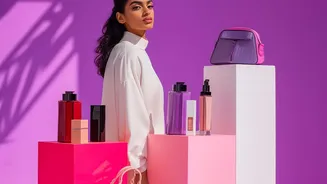
It’s one thing to see a trend online, and another to be able to participate in it. The e-commerce boom, led by platforms like Nykaa, Amazon, and Flipkart, has been the critical second piece of the puzzle. Doorstep delivery has made premium and niche beauty products accessible to consumers in virtually every pin code in the country, collapsing the gap between metro and non-metro shoppers. More than half of the demand for premium beauty on platforms like Amazon is now coming from Tier-2 and Tier-3 cities. This accessibility has empowered a new generation of consumers who are not just followers, but active participants in the beauty market. They are informed, experimental, and increasingly willing to spend on products that meet their specific needs, from science-backed formulations to clean, Ayurvedic-inspired solutions.
A New, More Inclusive Definition of Beauty
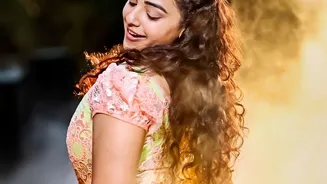
The most significant outcome of this decentralisation is a more inclusive and authentic definition of Indian beauty. For years, the industry was dominated by a singular, often fair-skinned, urban ideal. Today, the rise of regional creators is celebrating a mosaic of different looks, skin tones, and cultural aesthetics. Creators are championing the idea that it's normal to have brown skin or acne, breaking old stereotypes. This shift is not just about representation; it’s about relevance. Consumers are moving towards local brands they feel understand their needs better. They are seeking products and routines that work for their climate and lifestyle, driving demand for everything from multi-functional products to those addressing specific Indian skin and hair concerns. The result is a beauty landscape that is richer, more diverse, and far more interesting than ever before.