

The Search for Darkness
In our brightly lit world, true darkness has become a rare commodity. The persistent glow of cities, known as light pollution, has washed out the night sky for millions, making it impossible to see anything beyond a handful of stars. In response, a new
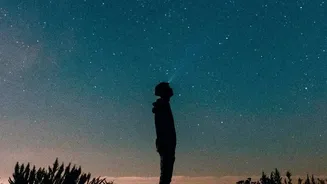
form of travel is gaining momentum: astro-tourism. It's a journey to the planet's most remote corners in search of pristine, untainted night skies. India, with its vast and varied landscapes, is home to some of the best stargazing spots on Earth. Regions like Ladakh and Spiti, with their high altitudes, dry air, and sparse populations, offer exceptionally clear windows to the cosmos. Winter, in particular, is a prized season. The long, cold nights bring a stable atmosphere, which means less twinkling and sharper views of celestial wonders.
Why a Homestay Beats a Hotel
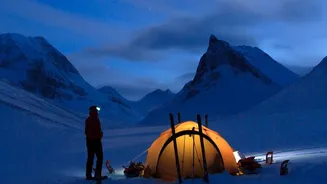
While luxury resorts and dedicated astronomy camps are emerging, the most authentic way to experience these dark skies is by staying in a local homestay. Unlike a conventional hotel, a homestay offers more than just a bed for the night; it offers a genuine connection to the place and its people. These family-run accommodations, often located in the very heart of dark-sky regions like Hanle in Ladakh, provide a direct portal to the local way of life. When you choose a homestay, you are not a tourist kept at arm's length; you are a guest welcomed into a home. The money you spend directly supports the family and the local economy, fostering a sustainable model of tourism that empowers the community.
A Celestial Winter Showcase
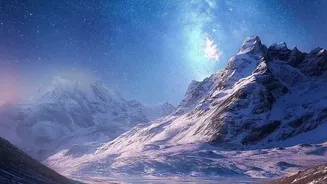
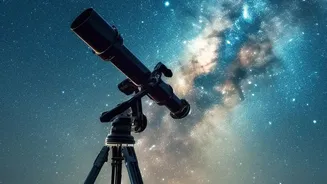
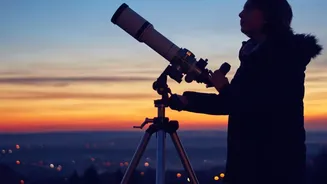
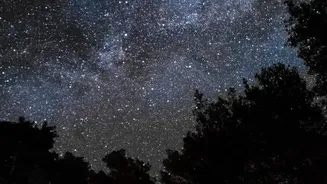
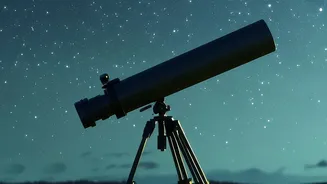
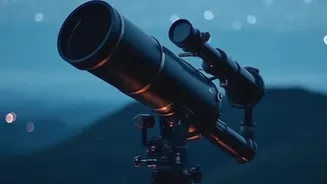
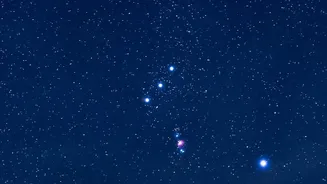
The winter sky in the Northern Hemisphere is a spectacular sight. The season's dominant constellation is Orion the Hunter, easily identifiable by the three bright stars of its belt. Following the belt stars leads you to Sirius, the brightest star in the night sky. Upwards, you'll find the orange giant Aldebaran in Taurus and the beautiful Pleiades star cluster, also known as the Seven Sisters. From a dark-sky location in Spiti or Hanle, the winter arm of the Milky Way arcs overhead, and you may even spot the faint smudge of the Andromeda Galaxy with your naked eye. Your homestay host may not have a professional telescope, but they possess generations of local knowledge, pointing out celestial patterns and sharing stories that have been passed down under these very stars.
More Than Just Stargazing
The experience is about much more than what happens after sunset. It's about the entire ecosystem of life in these remote regions. It's the taste of home-cooked Ladakhi food, like Thukpa or skyu, served in a warm kitchen while snow falls silently outside. It's the sound of prayer flags fluttering in the wind, the warmth of a 'bukhari' (a traditional heater), and the stories shared by your host family about their nomadic heritage or the rhythms of village life at 14,000 feet. This cultural immersion is what transforms a stargazing trip into a profound travel experience. You don't just see the stars; you understand the context in which they have been observed for centuries, connecting the celestial with the terrestrial in a deeply personal way.
Community-Led Conservation
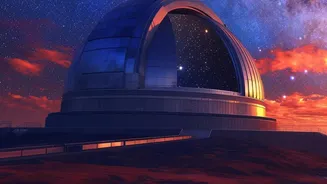
Recognizing the value of their pristine skies, communities are taking the lead. Hanle, home to the Indian Astronomical Observatory, has been officially designated as India's first Dark Sky Reserve. This initiative, a collaboration between scientists and villagers, aims to protect the natural darkness through responsible lighting practices while developing astro-tourism as a sustainable livelihood. Homestays are central to this model, equipping local families to host astronomers, photographers, and curious travellers. By choosing to stay with them, visitors become active participants in this conservation effort, ensuring that these incredible night skies are preserved for future generations while supporting the communities who are their guardians.