
Piercing the Cosmic Veil
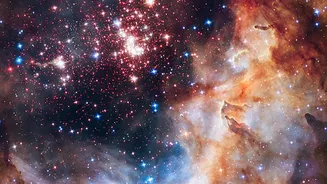
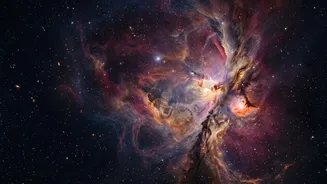
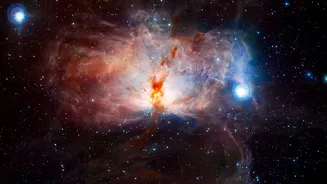
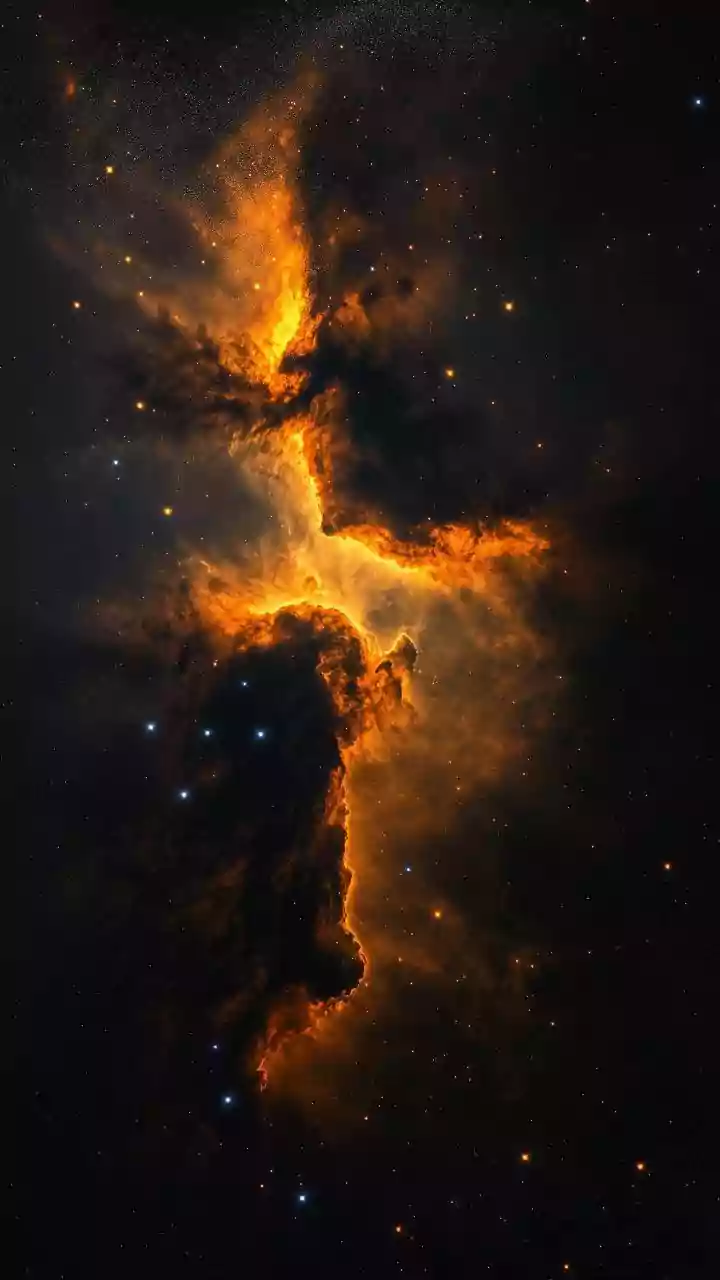
The fundamental challenge in observing star formation is the environment itself. Stars are born inside dense molecular clouds, nurseries so thick with gas and dust that they block out visible light entirely. Previous telescopes, like Hubble, gave us stunning
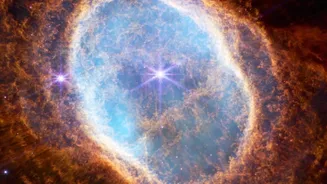
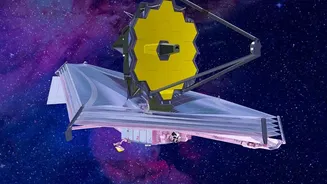
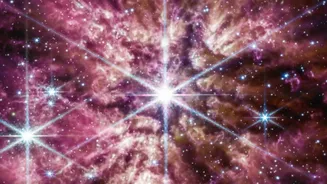
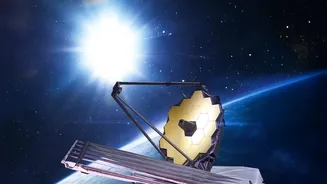
views of the cosmos but were often blind to these stellar cradles. The James Webb Space Telescope was specifically designed to overcome this hurdle. By observing in infrared light, which can penetrate these dusty clouds, JWST provides an unprecedented look at the processes within. It allows astronomers to see not just the stars themselves, but the raw materials—ices, complex organic molecules, and swirling gas—that fuel their creation.
A New Look at Protostars
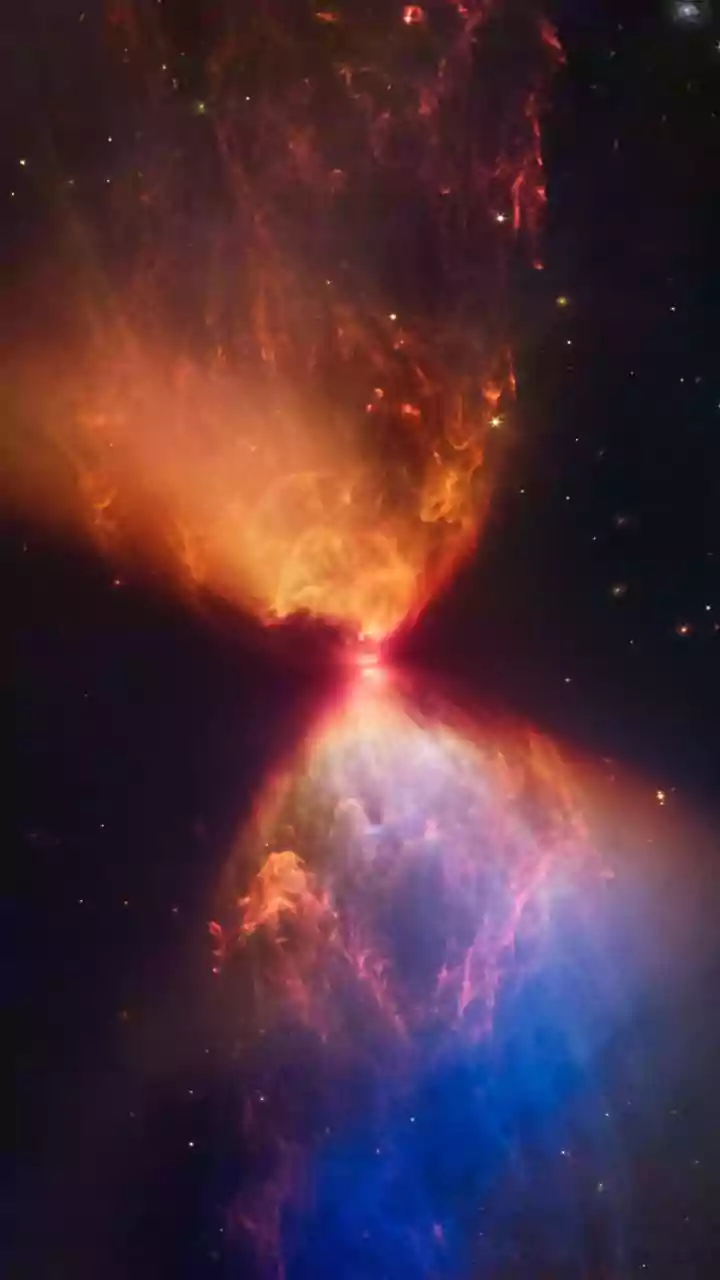
At the heart of a forming star system is a protostar, a young, hot, and clumpy object still gathering mass from its surroundings. JWST's detailed images have revealed these baby stars in remarkable clarity, capturing features that were previously hidden. One of the most dynamic processes is the ejection of material. Webb has snapped images of powerful jets of gas shooting out from protostars at supersonic speeds. These outflows, like those seen from the young star Herbig-Haro 211, are a crucial part of a star's growth cycle, clearing away excess material from the surrounding area. In some cases, as with the protostar EC 53, these outflows can even transport crystalline materials—which require intense heat to form—from near the star to the cold outer reaches of the system, potentially explaining how such materials end up in comets in our own solar system.
The Birthplace of Planets
Surrounding a protostar is a protoplanetary disk—a vast, spinning pancake of gas and dust where planets are born. JWST's sensitivity has transformed our view of these disks. It can track dust grains of different sizes and identify key molecules like water, carbon monoxide, and complex organic compounds. This allows scientists to map the chemical inventory available for building new worlds. Crucially, JWST has confirmed the presence of water vapor in the inner regions of these disks, the very zone where rocky, Earth-like planets are expected to form. This means that water, a key ingredient for life as we know it, is available right from the start. Recent studies of dozens of young, sun-like stars are also revealing how these disks eventually dissipate, showing a shift from powerful, magnetically-driven jets in younger systems to a process called photoevaporation in older ones.
Rewriting Our Cosmic Story
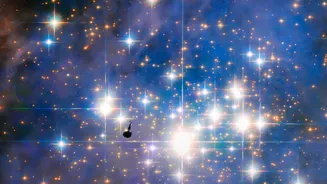
The flood of data from JWST is doing more than just confirming old theories; it's actively reshaping them. For example, observations of massive star clusters suggest they emerge from their birth clouds much faster than smaller clusters, rapidly lighting up and altering their galactic environments. This has profound implications for how and where planets can form. Furthermore, deep-sky observations are revealing that the earliest galaxies in the universe may have contained far more small, faint stars than previously thought. This suggests these ancient galaxies might be significantly more massive than our models predicted, forcing a rethink of how quickly the first cosmic structures assembled after the Big Bang. Each new image and spectrum from Webb adds another piece to the puzzle of our cosmic origins, showing a universe that is more dynamic, complex, and surprising than we ever imagined.