
The Strain of Popularity
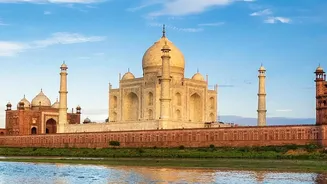
Popular tourist destinations across India are groaning under the pressure of their own success. Hill stations like Shimla and Manali grapple with traffic congestion and water shortages, while coastal hotspots in Goa face ecological strain. This phenomenon,
known as overtourism, not only degrades the environment but also diminishes the travel experience, leading to long queues and commercialised culture. The economic benefits, while significant, are concentrated in a few areas, leaving vast swathes of the country's potential untapped. The problem has become so apparent that it's forcing a rethink of how tourism should be managed, creating a compelling reason to distribute the flow of visitors more evenly across the country.
A New Kind of Traveller
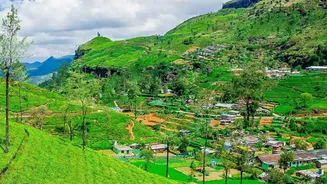
The modern Indian traveller is no longer satisfied with just ticking off a list of famous sites. There's a growing appetite for authentic and experiential journeys. People are seeking meaningful connections with local culture, cuisine, and traditions, rather than just taking photographs. This shift has been amplified by social media, where platforms like Instagram and YouTube have become powerful tools for discovery. Travel influencers and user-generated content are increasingly highlighting 'Instagrammable' but previously unknown locations, from the serene Ziro Valley in Arunachal Pradesh to the frescoed havelis of Mandawa in Rajasthan. A recent survey showed that 72% of Indian travellers discover new, offbeat destinations through short-form video content like Instagram Reels.
A Strategic Push from the Government
Recognising this trend, the Indian government has launched strategic initiatives to champion lesser-known destinations. The revamped 'Dekho Apna Desh 2.0' campaign is at the forefront of this effort, aiming to create a 'National Mission for Alternative Destinations'. This programme encourages states to nominate destinations that are tourism-ready but not yet on the mainstream map. The goal is to develop these locations sustainably, creating bookable tourism products in partnership with the travel industry. This mission is complemented by the Swadesh Darshan 2.0 scheme, which focuses on funding the holistic development of destinations with an outlay of thousands of crores. As of early 2026, 53 projects had been sanctioned under this scheme, targeting everything from spiritual sites to eco-tourism and heritage towns.
The Digital and Physical Infrastructure
Making these hidden gems accessible is crucial. A decade of significant investment in connectivity—from expanding highways to building new airports in smaller cities—has been a game-changer. This physical infrastructure makes it easier for travellers to venture beyond the Golden Triangle. Simultaneously, a push for digital infrastructure aims to streamline the travel experience. The government is developing a National Digital Tourism Stack, a unified platform designed to make everything from homestays to local tours more discoverable, trustworthy, and easier to book. The platform, which will be piloted in 2027, will bring together verified providers, payment options, and reviews, reducing friction for domestic and international visitors alike.
Inclusive Growth and Local Empowerment
The shift towards lesser-known destinations is more than just a tourism trend; it's a model for inclusive economic growth. When tourism flourishes in a new area, it creates a cascade of opportunities for local communities. Homestays provide income for families, artisans find new markets for their crafts, and local youth are employed as guides and service providers. Initiatives like 'Paryatan Didi' aim to train local women as tourism ambassadors and storytellers, ensuring they become active participants in and beneficiaries of the local tourism economy. By spreading tourism's footprint, the benefits are distributed more equitably, helping to preserve local heritage and empower communities from the ground up.