





The Ancient Roots: A Path to Liberation
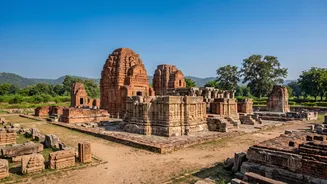
Yoga's story begins over 5,000 years ago in India. Early references appear in ancient sacred texts like the Vedas, which focused on rituals, breath control, and connecting with the divine. It wasn't about physical fitness; it was a comprehensive spiritual
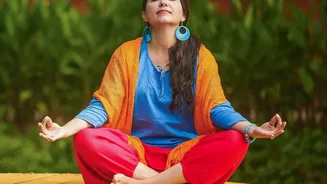
science aimed at harmonizing the mind, body, and spirit to achieve 'moksha', or liberation. Around the 2nd century BCE, the sage Patanjali systematized the practice in the Yoga Sutras, outlining an eight-limbed path. These limbs included ethical principles (Yamas), personal observances (Niyamas), and physical postures (Asanas), but the ultimate goal remained spiritual enlightenment through meditation and mental discipline. The physical postures were primarily a way to prepare the body to sit comfortably for long periods of meditation.
The Journey West: A Spiritual Export
For centuries, yoga remained a deeply spiritual practice primarily within India. Its journey to the West began in earnest in the late 19th century. The pivotal moment came in 1893, when the Hindu monk Swami Vivekananda addressed the World's Parliament of Religions in Chicago. He didn't demonstrate a single yoga pose, but his eloquent speeches on Vedanta philosophy—the spiritual wisdom of India—captivated American audiences. He introduced yoga as a science of the mind and a path to self-realization, opening the door for other Indian gurus to follow and establishing the first Hindu fellowships in the West. This first wave was about philosophy and meditation, laying the intellectual groundwork for the physical practice that would follow.
The Birth of Modern Postural Yoga
The yoga most people recognize today—a dynamic system of physical postures—was largely shaped in the 20th century by a handful of pioneering teachers in India. Sri Tirumalai Krishnamacharya is often considered the 'father of modern yoga'. His students, most notably B.K.S. Iyengar and K. Pattabhi Jois, went on to create their own influential styles. Iyengar, in particular, played a monumental role in popularizing a new, physically focused yoga. He emphasized precise physical alignment and pioneered the use of props like blocks and straps to make poses accessible to everyone, regardless of age or ability. His 1966 book, 'Light on Yoga', became a global guide, demystifying the practice for Westerners by focusing on the tangible, anatomical aspects. This shift made yoga more approachable as a form of exercise.
From Counter-Culture to Mainstream Fitness
As more teachers brought their styles to the West, yoga found a home in the 1960s counter-culture movement, appealing to those seeking alternative spiritual paths. However, its transition into the mainstream was driven by the burgeoning health and wellness boom. By the 1980s and 90s, yoga's physical benefits—increased flexibility, strength, and stress reduction—were being widely promoted. It began to be taught in gyms and community centers, gradually shedding some of its overt spiritual trappings to appeal to a secular audience. Teachers like Indra Devi, a student of Krishnamacharya, helped popularize yoga in Hollywood as early as the late 1940s, teaching movie stars and cementing its association with glamour and physical well-being. This move towards physical fitness laid the groundwork for its massive commercial explosion.
A Global Lifestyle Movement
In the 21st century, yoga has completed its transformation into a global lifestyle movement and a massive commercial industry. The global yoga market was valued in the tens of billions of dollars, with projections showing continued rapid growth. This ecosystem now includes everything from designer yoga pants and eco-friendly mats to luxury yoga retreats, an endless variety of branded styles, and online subscription platforms. While its popularity has made the practice more accessible than ever, it has also sparked important conversations about commercialization, authenticity, and cultural appropriation. Today’s practitioner may be seeking a sweaty workout, a mindful moment of peace, or a deep spiritual connection—all under the vast umbrella of modern yoga.