



Embrace the ‘Clean As You Go’ Mindset
The single most effective strategy for reducing post-dinner cleanup is adopting the 'clean as you go' philosophy, a non-negotiable rule in professional kitchens. This isn’t about deep cleaning while your onions sauté; it's about managing mess in real-time.
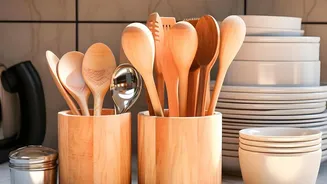
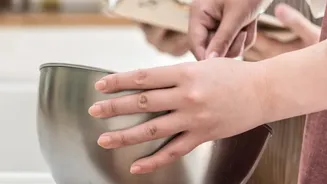
Start with an empty dishwasher and a clean sink. As you cook, instead of piling used utensils on the counter, place them directly into the dishwasher or a designated basin of soapy water. Have a small bowl for food scraps and wrappers to keep your cutting board area tidy. When you have a few moments of downtime—while water boils or something simmers—wash a stray bowl or wipe down a counter. This habit prevents the overwhelming pile-up that makes cleanup feel like a monumental task later on.
The Magic of One-Pot and Sheet-Pan Meals
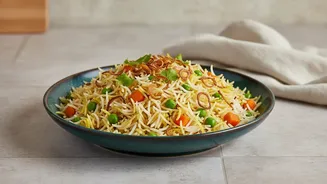
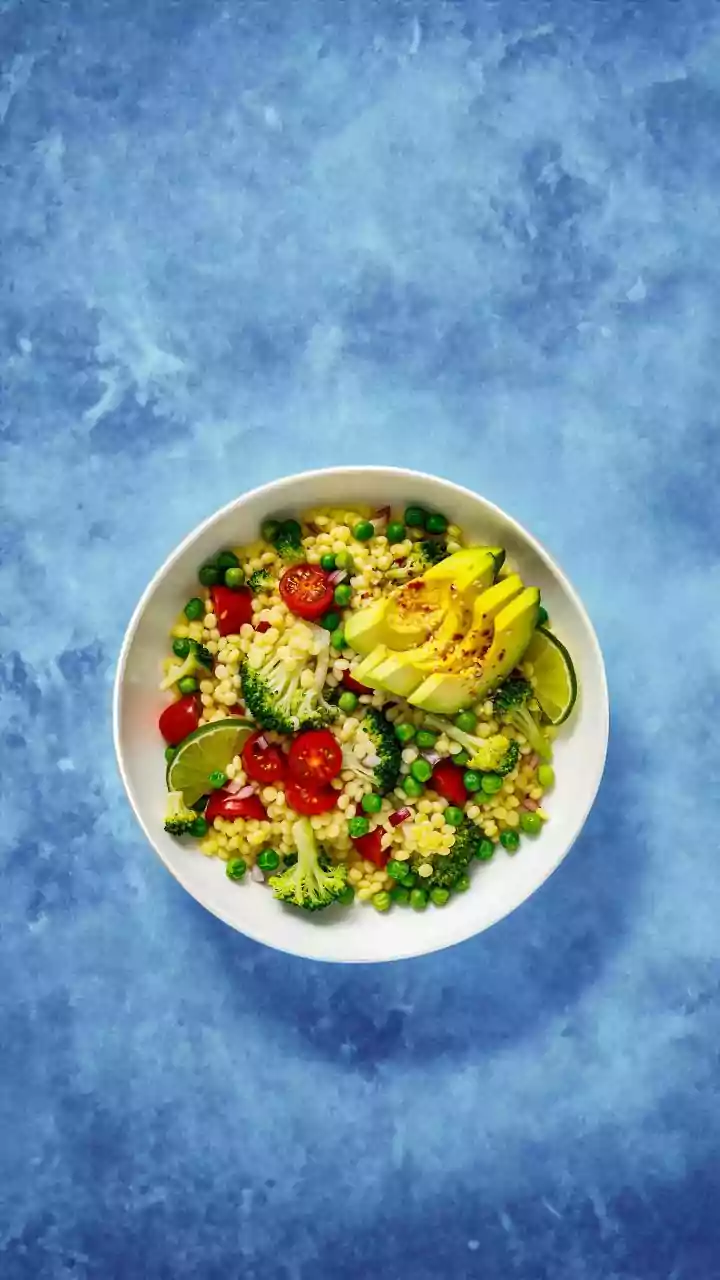
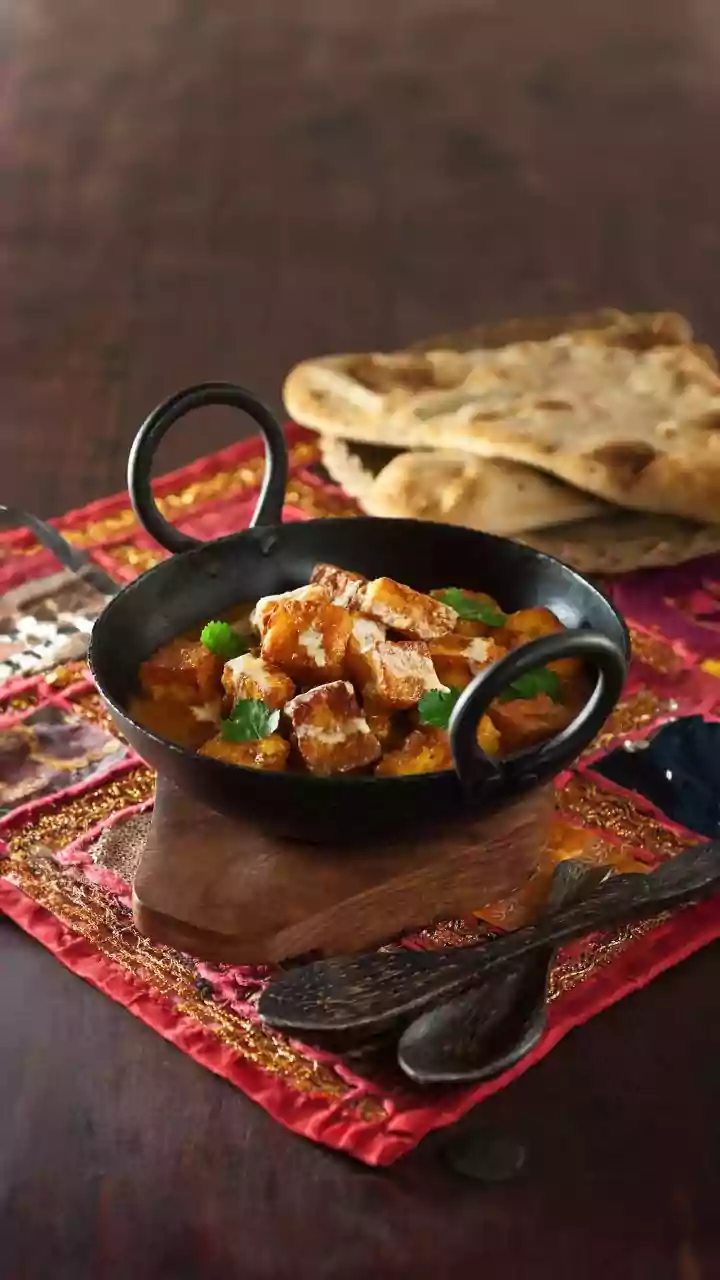
The easiest way to reduce dishwashing is to use fewer dishes in the first place. This is where one-pot and one-pan meals truly shine. These recipes are designed to build layers of flavour in a single vessel, whether it's a Dutch oven, a large skillet, or a baking sheet. Not only does this simplify the cooking process, but it also drastically cuts down on cleanup. The pasta absorbs the sauce it's cooked in, vegetables roast alongside the protein, and all the delicious flavours meld together without dirtying multiple pots. Think of hearty stews, flavourful curries, and complete sheet-pan dinners with chicken and vegetables. You get a full, balanced meal with only one main item to wash at the end.
Your Tools Can Work Smarter, Not Harder
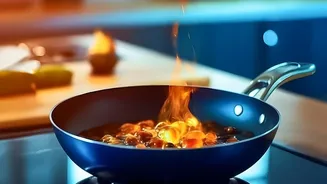
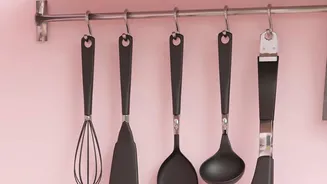
Beyond the pot itself, other kitchen tools can be cleanup superheroes. Parchment paper and aluminium foil are your best friends for baking and roasting. Lining a sheet pan means that instead of scrubbing off burnt-on food, you can simply discard the liner and give the pan a quick wash. Silicone baking mats are a reusable alternative that serves the same purpose, reducing both waste and effort. Similarly, cooking in well-seasoned cast iron can make cleanup surprisingly easy, as it often just requires a quick scrub with water. Choosing non-stick pans for notoriously sticky foods like eggs or pancakes also saves significant scrubbing time. It's about making strategic choices before you even start cooking to prevent mess from sticking around.
Strategic Prep and Ingredient Management
A little bit of organisation at the start can prevent a cascade of dirty dishes. Before you turn on the stove, read the recipe and gather all your ingredients—a practice known as 'mise en place'. Instead of grabbing a new bowl for every single chopped vegetable, group ingredients that are added to the pot at the same time. Use a large cutting board to avoid spillage. If a recipe calls for a small amount of a liquid, measure it over the pot itself to avoid dirtying another measuring cup. For ingredients like herbs or spices, you can often use the same small bowl. This disciplined approach not only streamlines your cooking process but also keeps your counter clear and minimizes the number of prep bowls you’ll have to wash later.