


Monsoon and the Gut: A Tricky Relationship
When the monsoon arrives, it brings welcome relief from the heat, but it also creates an environment where our digestive system can become sluggish and vulnerable. The high humidity can slow down our metabolism and digestive processes. This season is also notorious
for an increase in waterborne and foodborne bacteria, raising the risk of stomach infections, bloating, and general discomfort. Your immune system can also take a slight dip due to the fluctuating weather, making your gut even more susceptible. This is why what you eat during the monsoon matters significantly, as your body needs extra support to stay resilient.
The Fermentation Advantage: Nature's Probiotics
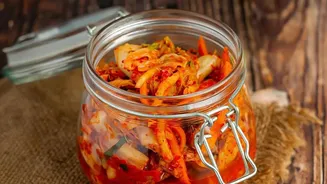
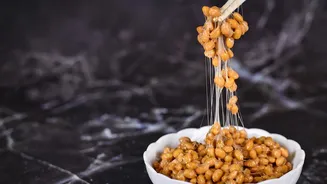
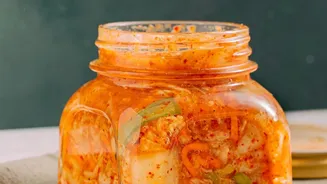
This is where fermented foods come in as a traditional yet powerful ally. The process of fermentation involves beneficial microorganisms like bacteria and yeast breaking down food components. This transformation not only preserves the food but also enriches it with probiotics — live, friendly bacteria that are crucial for a healthy gut. These probiotics help restore the natural balance of your gut microbiome, which is often disturbed during the monsoon. A healthy gut, home to about 70% of your body's immune cells, is fundamental to a strong immune response. By introducing these good bacteria, you help fortify your digestive tract against harmful pathogens.
Boosting Immunity When It Matters Most
A key reason nutritionists recommend fermented foods during the rains is their direct impact on immunity. The probiotics found in these foods help strengthen the gut lining, creating a barrier that prevents harmful germs from entering the bloodstream. They also stimulate the production of antibodies and boost the activity of immune cells, making your body more effective at fighting off the common colds and infections that are rampant during this season. Regular consumption of probiotic-rich foods can help reduce the risk and duration of such seasonal illnesses, keeping you healthier through the damp and humid weather.
Your Monsoon Fermented Food Guide
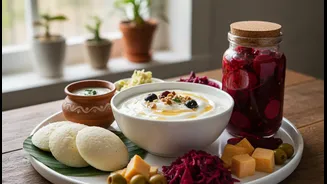
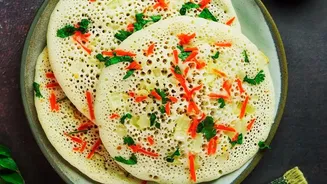
Incorporating these foods into your diet is easier than you think, as many are staples in Indian households. Fresh, homemade Dahi (curd) is perhaps the most accessible probiotic powerhouse, packed with live cultures that aid digestion and prevent bloating. Chaas (buttermilk) is a lighter, more hydrating option that soothes the stomach. South Indian favourites like Idli and Dosa are made from fermented batter, making them not only delicious but also easy to digest and rich in probiotics. Other excellent choices include Dhokla, the spongy, steamed snack from Gujarat, and Kanji, a tangy North Indian drink made from fermented carrots. Even traditional homemade pickles (Achaar), consumed in moderation, can contribute beneficial bacteria.
A Note on Preparation and Caution
While fermented foods are beneficial, how they are prepared and consumed during the monsoon is critical. It is best to rely on fresh, homemade preparations. Homemade dahi is superior to many commercial yogurts that may be heat-treated, killing the live cultures. Similarly, opt for freshly steamed idlis or dhoklas. Nutritionists and health guidelines strongly advise avoiding street food, including fermented items, during the rainy season due to the high risk of contamination from unclean water and unhygienic preparation conditions. While some Ayurvedic texts advise caution with fermented foods as they can be heavy, modern nutrition focuses on their probiotic benefits, suggesting light, fresh preparations like buttermilk are ideal.