


The Unexpected Neighbours
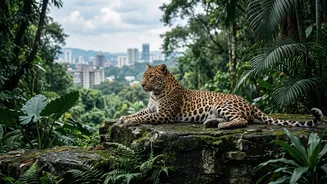
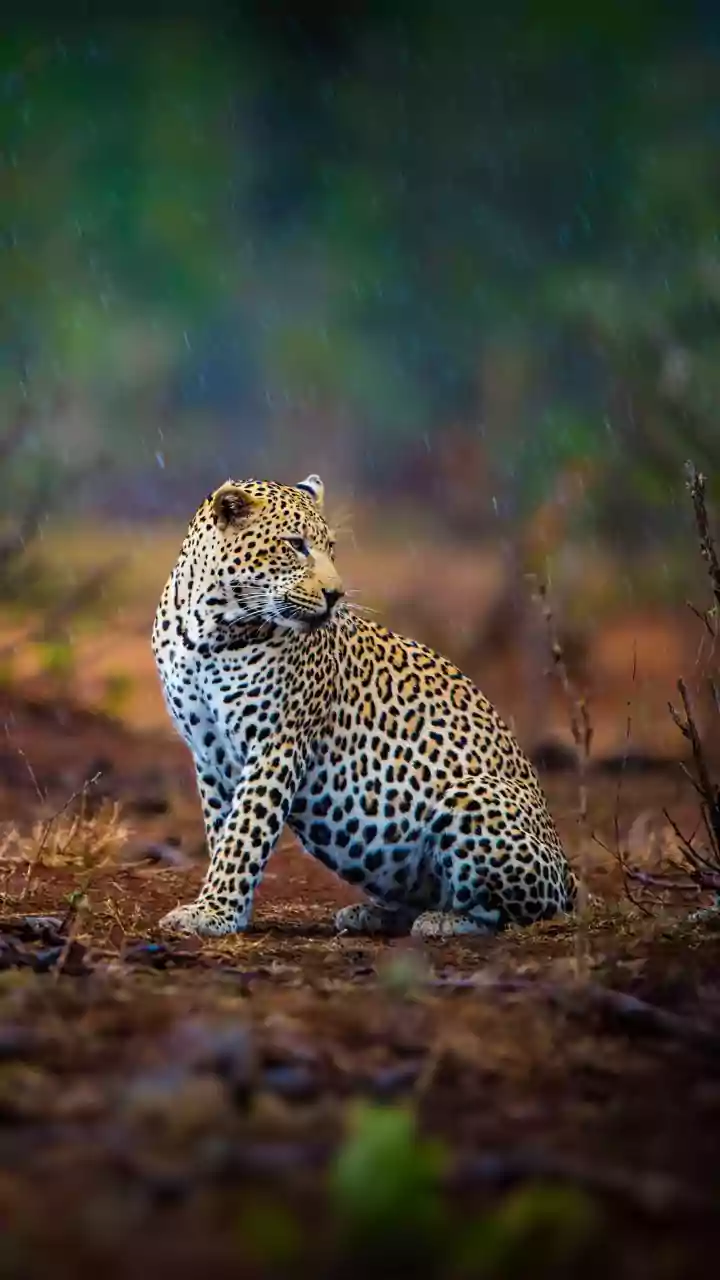
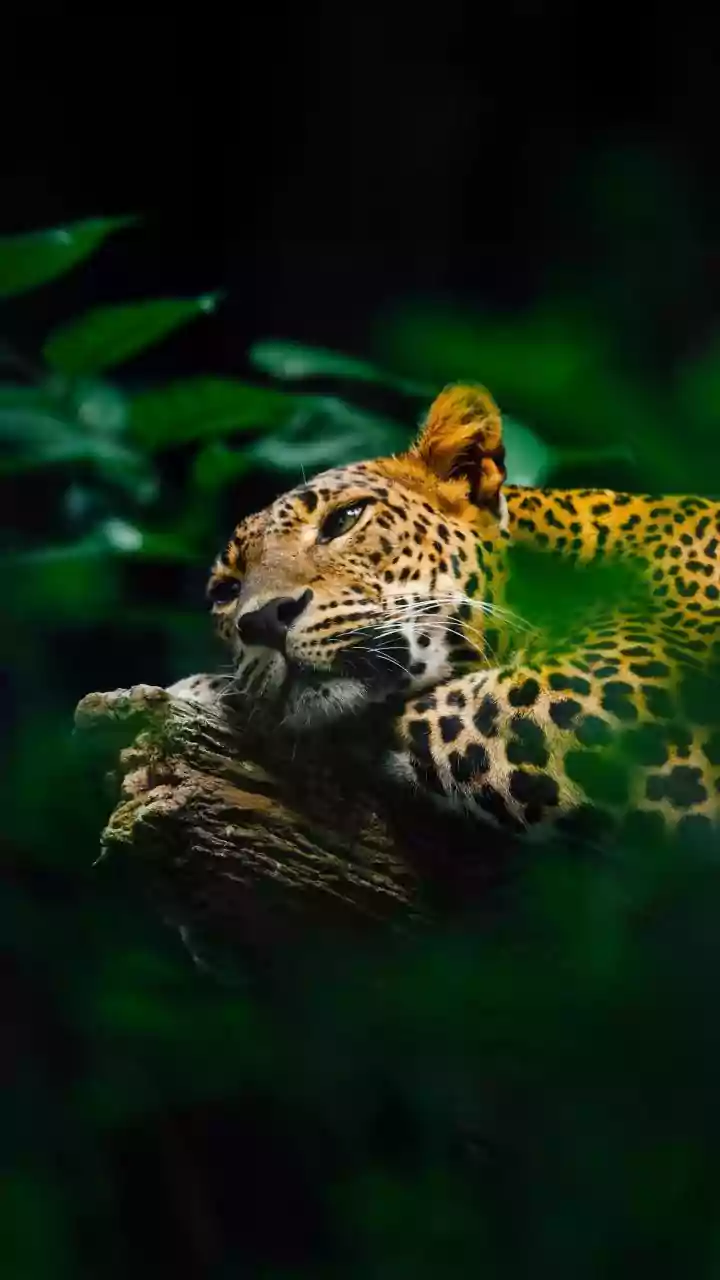
For many urban Indians, wildlife is more than just pigeons and stray dogs. In Mumbai, elusive leopards navigate the city's edges, using overgrown drains and railway lines to move through human-dominated areas, particularly near Sanjay Gandhi National
Park. Meanwhile, cities like Delhi and Jaipur have become urban jungles for rhesus macaques and langurs, who have adapted to life among temples and high-rises. These are not isolated incidents but part of a global phenomenon where animals, pushed by shrinking habitats, are learning to survive and even thrive in our concrete ecosystems. This forces us to reconsider the strict line we often draw between the 'human world' and the 'animal world'.
Adapt, Improvise, Overcome
The success of these urban animals lies in their incredible adaptability. With natural food sources becoming scarce due to deforestation and habitat fragmentation, many species have turned to what the city provides. Leopards in central India have been found to supplement their diet with livestock and domestic dogs, showcasing their resourcefulness. This adaptation is not without consequences. Animals may lose their natural fear of humans, leading to more frequent interactions. The presence of monkeys in cities, for instance, often leads to them stealing food from homes and markets, sometimes becoming aggressive. These behavioural shifts are a direct response to the pressures and opportunities presented by urban environments.
The Challenge of Cohabitation
This newfound proximity inevitably leads to human-wildlife conflict. Encounters can range from minor nuisances, like monkeys raiding kitchens, to serious safety concerns. In India, the negative interactions between humans and wildlife in both rural and urban settings can be significant, leading to property damage and, in some cases, loss of life for both humans and animals. These conflicts highlight a crucial challenge: as our cities expand, how do we make space for the wildlife that is already here or is being forced into our domain? The solution isn't as simple as removal; many of these animals are now integral, if challenging, parts of the urban ecosystem.
The Benefits of Urban Biodiversity
Despite the challenges, a biodiverse city is a healthier city for everyone. Urban nature provides a host of benefits, known as ecosystem services, which are critical for our well-being. Birds and insects pollinate plants, snakes help control rodent populations, and green spaces improve air quality and reduce stress. Studies have shown that access to biodiverse environments is linked to improved mental and physical health, from reduced stress to lower rates of certain illnesses. The presence of wildlife serves as an indicator of a healthy environment — a space that is safe and clean for animals is likely a better place for people too.
Designing Cities for Coexistence
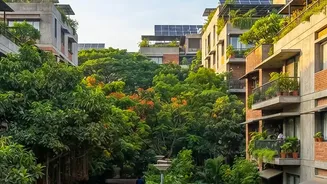
The future lies not in building walls between humans and nature, but in designing cities that allow for coexistence. This involves a shift in urban planning, integrating ecological principles into development. Strategies include creating wildlife corridors—green pathways that connect fragmented habitats and allow animals to move safely. Other biodiversity-sensitive designs include installing green roofs, preserving existing parks, and using wildlife-friendly fencing. Responsible waste management is also crucial to reduce the lure of cities as an easy food source and minimise conflict. By thinking of our cities as shared spaces, we can build environments that are resilient, sustainable, and rich in life.