





Understanding Your Inner Clock
Everyone operates on a 24-hour internal clock called a circadian rhythm. This rhythm governs when you feel sleepy and when you feel alert. Your 'chronotype' is the natural manifestation of this rhythm, determining whether you are a 'morning lark' who
wakes and sleeps early, or a 'night owl' who prefers to stay up late and wake up later. While society often praises the early bird, a significant portion of the population has a biological preference for later schedules. This isn't just a matter of habit; it's deeply rooted in your genetics. However, living as a night owl in a world designed for morning people can create a mismatch known as 'social jetlag', where your body clock is out of sync with your daily obligations like work or school.
The Gut Microbiome and Its Power
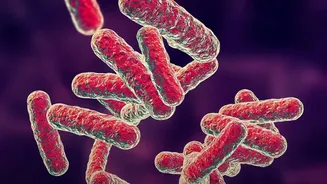
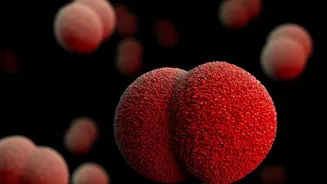
Your gut is home to trillions of microorganisms, including bacteria, viruses, and fungi, collectively known as the gut microbiome. This bustling community is far from a passive bystander; it plays a critical role in your overall health. A diverse and balanced microbiome helps with digestion, regulates your immune system, and even produces essential vitamins and hormones, including serotonin, a precursor to the sleep hormone melatonin. Scientists now understand that a healthy gut is a cornerstone of a healthy body, influencing everything from your mood to your risk of chronic diseases. The gut itself also follows a circadian rhythm, with processes like digestion and hormone release timed to a daily schedule.
What New Research Reveals
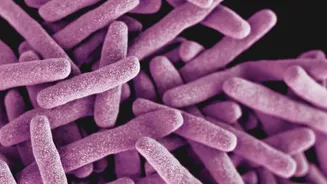
Recent studies have drawn a direct line between being a late chronotype and the composition of the gut microbiome. One study published in the journal 'iScience' found that individuals with a late chronotype, particularly when combined with late-night eating habits, had a different gut bacteria profile compared to early risers. Specifically, night owls tend to have lower diversity in their gut flora. Research has pointed to a depletion in beneficial bacteria, such as those that produce short-chain fatty acids (SCFAs) like butyrate. SCFAs are vital for maintaining the integrity of your gut lining and controlling inflammation. Late chronotypes were associated with reduced levels of beneficial bacteria like Akkermansia and Lachnospira.
Is It Sleep or Lifestyle?
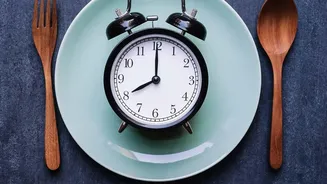
A crucial question researchers are exploring is whether these changes are caused by the late sleep schedule itself or by the lifestyle habits associated with it. People with late chronotypes are often more prone to unhealthy dietary patterns, including higher consumption of sugar and processed foods, and eating meals later in the day. These habits can independently harm the gut microbiome. The combination of a late sleep pattern and late eating appears to carry the greatest metabolic risk. This disruption can lead to increased intestinal permeability, sometimes called 'leaky gut', allowing substances to pass into the bloodstream and trigger low-grade, systemic inflammation.
The Health Risks for Night Owls
The changes observed in the gut microbiome of late chronotypes are not just academic. They are linked to a higher risk of several health issues. The combination of lower beneficial bacteria and higher inflammation is associated with metabolic syndrome, a cluster of conditions that includes high blood pressure, high blood sugar, and abnormal cholesterol levels. This elevates the risk for more serious conditions like heart disease, stroke, and Type 2 diabetes. Beyond metabolic health, this chronic internal disruption can affect mood and overall well-being, with studies linking late chronotypes to higher rates of anxiety and depression.
Small Steps Toward Better Gut Health
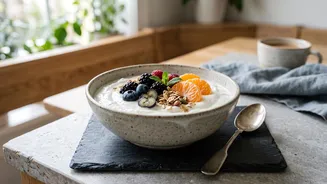
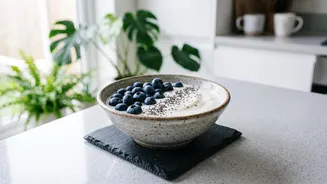
If you're a committed night owl, the advice isn't necessarily to force yourself into a morning routine that feels unnatural. Instead, focus on mitigating the associated risks. Try to maintain a consistent sleep schedule, even on weekends, to minimize social jetlag. Pay attention to meal timing; aim to have your last substantial meal a few hours before you go to sleep, regardless of when that is. Prioritise a diet rich in fibre from fruits, vegetables, and whole grains to feed your beneficial gut bacteria. Probiotic and prebiotic foods can also support a healthier microbiome. Managing stress and staying physically active are other powerful tools that can benefit both your sleep and your gut, creating a positive cycle for your health.