


The Science of a Sizzle
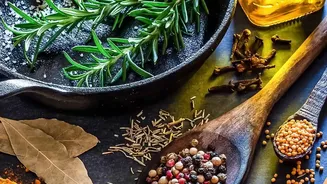
Tadka, also known as 'chaunk' or 'baghaar' in different regions, is the foundational technique of tempering whole or ground spices in hot fat. This aromatic mixture is then poured into a dish, often at the end, to infuse it with a complex layer of flavour.
On the surface, it’s about making food taste incredible. But beneath the surface, a fascinating chemical reaction is taking place. The heat from the oil or ghee ruptures the cell walls of the spices, releasing their volatile essential oils. These oils contain the very essence of the spice's flavour and aroma, compounds that are fat-soluble, meaning they dissolve in fat, not water. This is why simply boiling spices in a dal or curry can't achieve the same depth. The fat acts as a perfect vehicle, extracting these compounds and distributing them evenly throughout the entire dish, ensuring every bite is fragrant and balanced.
Fat: The Key to Unlocking Nutrients
The choice of fat—be it traditional ghee, coconut oil, or mustard oil—is not just for flavour; it’s a critical component for nutrition. Many of the beneficial compounds in spices, known as phytochemicals, are fat-soluble. This includes curcumin, the celebrated anti-inflammatory compound in turmeric. For the body to absorb these nutrients effectively, they need to be consumed with fat. The tempering process makes these compounds more bioavailable, which means they are in a form that is easier for our bodies to absorb and use. Without being dissolved in fat, many of these powerful nutrients would simply pass through our system with little effect. In essence, tadka is a traditional method of nutrient extraction that modern science now understands and validates.
A Pharmacy in Your Spice Box
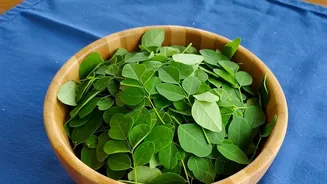
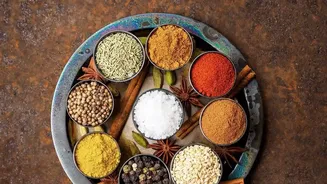
Each spice commonly used in tadka brings its own set of health-promoting properties, which are amplified by the tempering process. Turmeric’s curcumin is known for its powerful anti-inflammatory and antioxidant effects. Cumin seeds, which release a warm, nutty compound called cuminaldehyde, are praised for aiding digestion and helping regulate blood sugar. Mustard seeds possess anti-inflammatory properties and are a good source of minerals. Asafoetida (hing) is traditionally used to combat bloating and indigestion, and its pungent flavour is mellowed and made more pleasant by frying in fat. Curry leaves, rich in antioxidants, also become more accessible to the body when lightly fried. The heat and oil work in concert to unlock these powerful natural compounds, turning a simple spice blend into a potent, health-boosting mixture.
The Art of Tempering Safely
The 'safely' part of the headline is crucial. The magic of tadka happens at the right temperature, but overheating the oil can be counterproductive and even harmful. When oil is heated past its smoke point or reused multiple times, it can start to break down and form harmful compounds like trans fats and acrolein. These substances have been linked to inflammation and an increased risk of chronic diseases. The key is to heat the oil or ghee until it is hot but not smoking. A good test is to drop in one cumin or mustard seed; if it sizzles immediately, the oil is ready. Spices should be added in a specific order, with heartier seeds like mustard and cumin going in first, and more delicate items like garlic or dried chillies added later, as they can burn quickly. The process is swift, often lasting less than a minute. As soon as the spices become fragrant and the mustard seeds pop, the tadka is ready to be added to the dish.