

An Ancient Answer to Modern Watering Woes
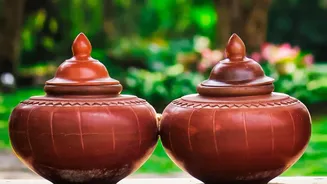
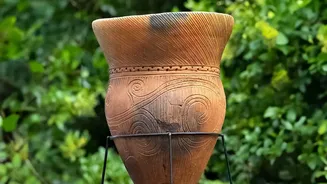
Olla (pronounced 'oy-ya') irrigation is a technique that has been used for over 4,000 years in various parts of the world. The concept is brilliantly simple: an olla is an unglazed terracotta pot that is buried in the soil near your plants. With only
its neck exposed, you fill the pot with water. Because unglazed clay is porous, the water slowly seeps through the pot's walls directly into the surrounding soil. This process delivers moisture right where it's needed most—at the roots—without the waste associated with surface watering.
The Science of 'Set It and Forget It' Hydration
The magic of olla irrigation lies in a natural process called soil moisture tension. The porous clay walls of the olla don't just leak water; they release it on demand. When the soil around the pot is dry, it effectively 'pulls' water out of the olla through its tiny pores. Conversely, when the soil is moist, such as after a rain shower, the water stays inside the pot. This creates a self-regulating system where plants get a consistent supply of moisture, preventing the stressful cycles of drying out and being waterlogged that are common in container gardening. It’s a low-tech, high-efficiency system that works with nature, not against it.
Why Ollas Are Perfect for Balcony Gardens
Balcony containers and pots dry out notoriously fast, but ollas offer several key advantages. First is water efficiency; by delivering water underground, you can reduce water use by up to 70% compared to surface watering because very little is lost to evaporation or runoff. Second, it promotes healthier plants. Consistent moisture encourages deep, strong root growth, making plants more resilient. The dry soil surface also discourages weed growth and can minimize certain pests. Finally, it offers convenience. Instead of daily watering, you may only need to refill your ollas every few days, depending on the weather and your plants' needs. This makes it easier to manage your garden, even if you’re away for a weekend.
How to Get Started with Ollas
Implementing an olla system on your balcony is straightforward. First, select an unglazed terracotta pot. You can buy purpose-made ollas or even make your own by sealing the drainage hole of one standard pot or gluing two pots together at the rim. When planting, dig a hole in your container large enough to bury the olla up to its neck, leaving the opening above the soil for easy refilling. Plant your flowers, herbs, or vegetables around it. Fill the olla with water and place a small stone or a lid over the opening to prevent evaporation and keep debris and insects out. Check the water level every couple of days and refill as needed. It's best not to let the level drop below half full to ensure consistent wicking.
Pro Tips for Balcony Olla Use
To maximize the benefits, consider a few extra tips. Group plants with similar water needs around a single olla. For a large container, you may need more than one, spaced a couple of feet apart. The effective watering radius depends on the olla's size and your soil type. It's important to use only water in your olla; adding liquid fertilizers can clog the clay's pores over time, reducing its effectiveness. At the end of the growing season, dig up your ollas, clean them, and store them in a dry place to prevent cracking, especially if you live in an area with freezing winters.