



When Good Soil Goes Bad
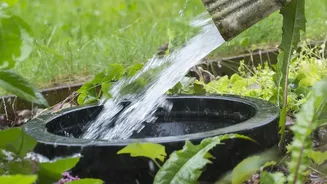
Heavy rainfall or an overzealous watering can create waterlogged soil, a condition where water fills all the air pockets between soil particles. This suffocates the plant's roots, which need oxygen to function and absorb nutrients. But lack of oxygen is only
the first part of the problem. This low-oxygen, or anaerobic, environment creates the perfect breeding ground for destructive, water-loving pathogens that are naturally dormant in most soils. Fungi and water molds with names like Pythium, Phytophthora, and Rhizoctonia spring to life in these conditions. They attack the already-stressed roots, causing them to turn brown, mushy, and decay, leading to the dreaded root rot.
The Unseen War Beneath the Surface
Healthy soil is a bustling metropolis of billions of microorganisms, including beneficial bacteria and fungi. Think of it as a complex ecosystem, much like the human gut, where a balance of good and bad microbes is essential for health. Beneficial microbes form a protective shield around plant roots, a zone known as the rhizosphere. In this balanced ecosystem, the good microbes keep the harmful ones in check through several clever mechanisms. They compete for the same food and space, effectively crowding out the pathogens. Some beneficial microbes even produce natural antibiotic-like compounds that actively suppress or destroy the organisms that cause root rot. When soil becomes waterlogged, this delicate balance is thrown into chaos. The anaerobic conditions favor the bad microbes, allowing their populations to explode and overwhelm the weakened plant roots.
Your Microbial First-Aid Kit
If your plants are suffering from waterlogging, your goal is to not only dry out the soil but also to restore its healthy microbial community. The first step is to improve drainage and aeration. For potted plants, this might mean repotting into fresh, well-draining soil. For garden beds, gently loosening the compacted soil with a fork can help reintroduce air. Once aeration is addressed, it's time to call in microbial reinforcements. The most effective way to do this is by adding high-quality, mature compost. Compost is teeming with a diverse population of beneficial microorganisms that can immediately get to work recolonizing the soil and restoring balance. You can also use commercially available microbial inoculants. These products contain concentrated doses of specific beneficial bacteria and fungi, like Trichoderma, Bacillus subtilis, and mycorrhizal fungi, known for their ability to fight off pathogens and promote root health. These can be applied as a soil drench, mixed into new potting soil, or used as a root dip during transplanting.
Building Long-Term Resilience
Preventing root rot is not just about emergency recovery; it's about building a resilient soil ecosystem over the long term. Consistently adding organic matter, such as compost or well-rotted manure, provides a steady food source for beneficial microbes, ensuring their populations remain strong and diverse. Minimizing soil disturbance through no-dig gardening practices helps protect the delicate fungal networks that are essential for soil structure and water absorption. Good soil structure, in turn, ensures proper drainage and aeration, making it harder for waterlogging to occur in the first place. By focusing on the health of your soil's invisible workforce, you create an environment where your plants are naturally protected. A thriving microbial community acts as a living shield, making plants less vulnerable to the stresses of occasional overwatering and better equipped to fight off disease.