






A Closer Look at the Trial
The headline-making research comes from Maastricht University Medical Center in the Netherlands, where scientists designed a careful, if small, experiment. The study involved 31 healthy adults between the ages of 60 and 75. It used a 'crossover' design,
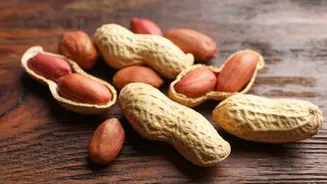
meaning each participant served as their own control. For one 16-week period, they ate 60 grams—about two handfuls—of unsalted, skin-roasted peanuts daily. During another 16-week period, they avoided peanuts completely. An eight-week break separated the two phases to ensure the effects of one period didn't carry over to the next. This rigorous approach allowed researchers to directly compare how each person's body and brain responded with and without the daily peanut habit.
What the Study Found
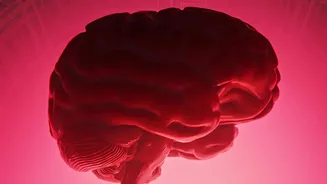
The researchers reported two key findings from the same trial in separate publications. One recent finding focused on insulin, a hormone that does more than manage blood sugar; in the brain, it supports nerve cell communication and memory processes. After the 16-week peanut period, participants showed improved insulin responsiveness in a cluster of brain regions on the right side of the brain, including parts of the hippocampus, which is crucial for memory. An earlier report from this same trial noted other physical changes. Participants saw a 3.6% increase in overall cerebral blood flow and a 5.8% improvement on a specific verbal memory test, where they recalled an average of 1.4 more words after a delay. However, the study did not find significant improvements in other cognitive areas like executive function.
Why Peanuts for Brain Health?
So, what is it about peanuts that might make them beneficial for the brain? They are packed with a unique combination of nutrients and bioactive compounds. Peanuts are a good source of unsaturated fats, which are vital for the physical structure of brain cells, and niacin (a B vitamin), which is linked to neural health. They also contain powerful antioxidants like Vitamin E and resveratrol. Resveratrol, famously found in grapes and red wine, is present in peanut skins and is believed to help relax blood vessels and improve circulation. Better blood flow means more oxygen and nutrients can reach the brain, supporting its overall function. The fiber in peanuts also plays a role, contributing to a healthy gut microbiome, which scientists know communicates with the brain and can influence cognitive performance.
Important Caveats and Limitations
While the findings are promising, it is crucial to put them in perspective. The headline says it all: this was a small trial with only 31 participants. A study of this size is considered preliminary and is not enough to prove that peanuts can prevent memory loss or dementia. Scientists use such trials to generate interesting hypotheses that need to be tested in much larger, longer studies. The researchers themselves noted these limitations. The specific type of peanut used—unsalted and with the skin on—is also important, as the skins contain many of the beneficial polyphenols. The results may not apply to peanut butter, candy-coated peanuts, or other preparations. Furthermore, because participants knew when they were eating peanuts, a placebo effect cannot be entirely ruled out.
The Bigger Picture on Diet
This study adds a small piece to a much larger puzzle about the link between diet and brain health. It reinforces a growing body of evidence suggesting that what we eat matters for our minds. Instead of focusing on a single 'superfood', most experts recommend adopting a healthy dietary pattern. Diets like the Mediterranean diet, which emphasizes fruits, vegetables, whole grains, and healthy fats from sources like nuts and olive oil, have been linked in larger studies to better cognitive outcomes over time. Peanuts can certainly be part of such a pattern. They are an accessible and affordable source of many brain-supportive nutrients. The key takeaway is that a balanced approach to wellness—including a varied diet, regular physical activity, and adequate sleep—remains the most reliable strategy for supporting long-term brain health.