








The Dawn of SpudCell
In a breakthrough for synthetic biology, researchers led by Associate Professor Kate Adamala at the University of Minnesota have constructed the first synthetic cell, named 'SpudCell', that completes a full life cycle. Assembled entirely from chemical
parts, it can grow, replicate its genetic material, and divide. Adamala described the achievement as replicating in chemistry what was once only possible in biology, proving that life's fundamental functions don't need a "mysterious magical spark." The name 'SpudCell' is a nod to Sputnik, the first artificial satellite, signalling the dawn of a new era. It also has a more personal meaning for the Polish-born Adamala, who joked that she is "mostly made of potatoes."
A New Blueprint for Life
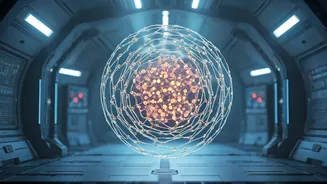
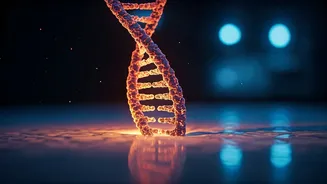
So what exactly did the team build? SpudCell is a tiny, bubble-like sphere called a liposome, which acts as a cell membrane. Inside, it contains a synthetic genome—the cell's instruction manual—made of man-made DNA. This genome is incredibly small at just 90,000 base pairs, far smaller than a human's 3 billion base pairs. Unlike natural cells that use complex internal scaffolding to divide, SpudCell splits when proteins on its membrane surface crowd together, creating mechanical stress that forces it apart. It 'feeds' by absorbing nutrients and other essential components from the liquid it's in, allowing it to grow and copy its DNA before dividing. This bottom-up approach, building a cell from known parts rather than modifying an existing one, gives scientists unprecedented control and understanding.
The Bio-Economy Revolution
While fascinating, the goal isn't just to mimic life; it's to engineer it for a purpose. This breakthrough could launch what some are calling the "true age of bioeconomy." The long-term promise is to create programmable biological factories. Imagine custom-built cells designed to produce new medicines, including drugs with components that nature never evolved. These synthetic cells could also be used to grow advanced materials, create biofuels more efficiently, or even capture carbon from the atmosphere. Because they are built from a known list of ingredients, they offer a level of control that genetically modifying existing bacteria cannot, potentially revolutionizing industries by replacing energy-intensive chemical processes with cleaner, biological manufacturing.
Power, Promise, and Precaution
The creation of an entity that blurs the line between living and non-living inevitably raises profound ethical questions. Concerns range from the philosophical debate over 'playing God' to more practical fears about biosafety. What happens if one of these synthetic organisms escapes the lab? Could it disrupt natural ecosystems or be repurposed for harm? Researchers in the field are keenly aware of these issues. For now, SpudCell is a primitive and fragile system, completely dependent on a carefully prepared lab environment to survive and unable to sustain itself for more than a few generations. To foster responsible development, Adamala and her partners have launched a public-benefit institution called Biotic to keep the technology open and guide its ethical application.