

What Exactly Is Cat-Cow?
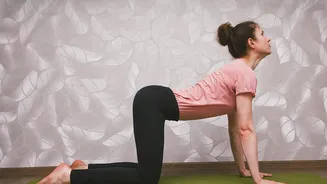
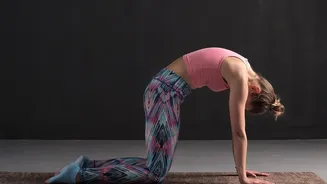
Cat-Cow is not one pose, but a fluid movement between two: Marjaryasana (Cat Pose) and Bitilasana (Cow Pose). It's a dynamic sequence where you rhythmically arch and round your spine while on your hands and knees. Think of it as a gentle wake-up call for
your entire back, from your neck down to your tailbone. The movement is synchronized with your breath, creating a mindful flow that warms up the body, making it a staple at the beginning of most yoga classes to prepare for deeper poses.
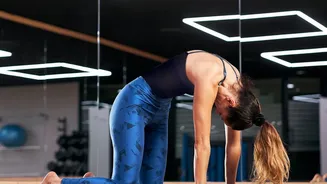
The Core Benefits of a Simple Flow
Don't let its simplicity fool you; Cat-Cow is a powerhouse of benefits. Regularly practicing this movement can significantly improve spinal flexibility and help relieve stiffness, especially if you spend long hours sitting. It gently stretches the muscles in the back, neck, and shoulders, easing tension. As you move, you also engage your abdominal muscles, which helps strengthen your core and improve your posture over time. Beyond the physical, the rhythmic connection of breath and movement has a calming effect on the mind, helping to reduce stress and anxiety.
How to Perform Cat-Cow Step-by-Step
Ready to try? Find a comfortable spot on a yoga mat or a soft surface. 1. Start in a 'tabletop' position on your hands and knees. Your hands should be directly under your shoulders and your knees directly under your hips, about hip-width apart. Keep your spine in a neutral, straight line and gaze gently forward. 2. Move into Cow Pose: As you inhale, drop your belly toward the mat. Lift your chest and chin, and look up toward the ceiling, creating a gentle arch in your spine. Broaden your shoulder blades and draw your shoulders away from your ears. 3. Move into Cat Pose: As you exhale, draw your navel in toward your spine and round your back toward the ceiling, like a cat stretching. Gently tuck your chin to your chest and let your head release. 4. Continue Flowing: Flow smoothly between Cow on your inhales and Cat on your exhales. Aim for five to ten rounds, letting your breath guide the pace of your movement. The motion should be fluid and controlled, not rushed.
Common Mistakes to Avoid
To get the most out of the pose and stay safe, watch out for a few common errors. Many beginners rush the movement; instead, slow down and focus on coordinating each part of the motion with a full inhale or exhale. Another mistake is cranking your neck up too far in Cow Pose or letting it hang limply. Your head should be a natural extension of your spine's curve. Also, be mindful not to lock your elbows; keep a microbend in them to protect your joints and engage your arm muscles. Finally, ensure your hips aren't sinking too far back or forward—try to keep them stacked over your knees.
Modifications for Sensitive Joints
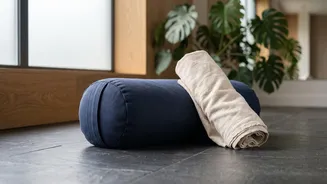
Yoga is for every body, and Cat-Cow can be adapted to fit your needs. If you have sensitive knees, simply place a folded blanket or towel underneath them for extra cushioning. For those with wrist pain, there are several great options. You can make fists and rest your weight on your knuckles instead of your palms, or lower down onto your forearms. You can even practice Cat-Cow while seated in a chair, placing your hands on your knees and arching and rounding your spine from there.
Adding Cat-Cow to Your Routine
The beauty of Cat-Cow is its versatility. You can use it as a warm-up for a longer yoga practice, helping to prepare your spine for more complex movements like backbends or forward folds. It’s also an excellent standalone exercise. If you feel stiff after a long day at your desk, taking just two to five minutes to flow through a few rounds of Cat-Cow can release tension and reset your posture. It's a simple, foundational movement that can be woven into any beginner's yoga sequence to build awareness and flexibility.