


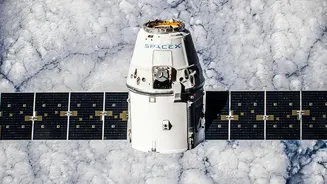
A Perfect Pacific Splashdown
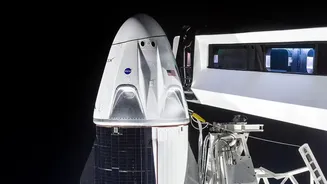
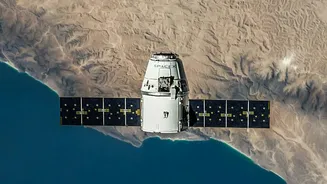
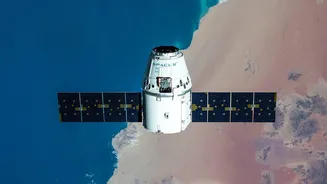
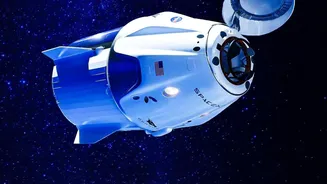
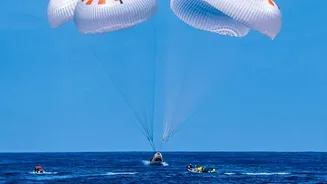
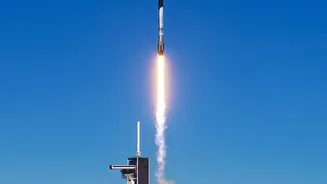
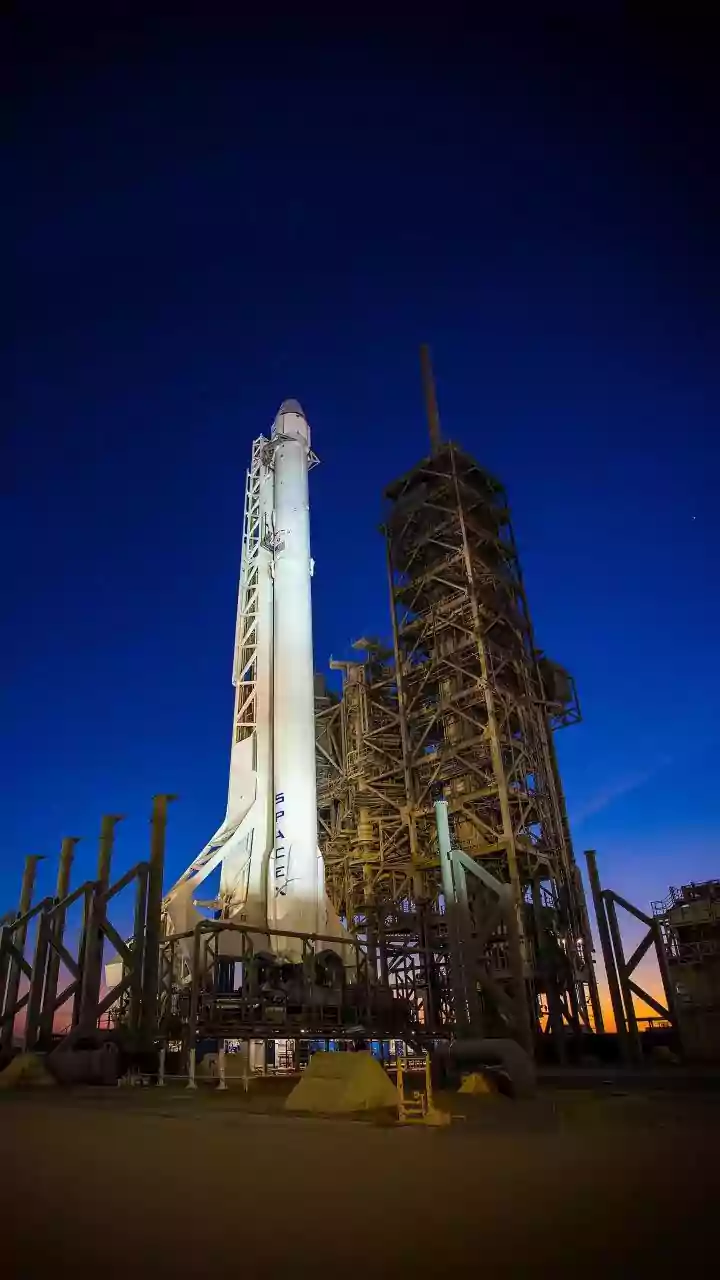
On November 21, a SpaceX Dragon spacecraft parachuted into the Pacific Ocean off the coast of California, marking the successful conclusion of the 35th Commercial Resupply Services (CRS) mission for NASA. The uncrewed capsule touched down approximately
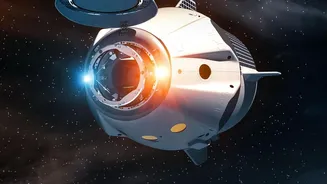
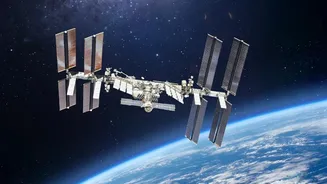
29 hours after undocking from the International Space Station (ISS) on November 20. Recovery teams from SpaceX were on site to quickly retrieve the capsule, ensuring the time-sensitive experiments onboard could be transported to labs for analysis. The mission, which began with a launch from Florida on October 13, spent 37 days docked to the orbiting laboratory, delivering essential supplies and hardware before being packed for its crucial return journey.
The Vital Return Cargo
While delivering supplies is essential, the Dragon's unique ability is its return trip. It is currently the only cargo vehicle capable of bringing research and hardware back to Earth intact. This mission's return manifest was packed with thousands of pounds of valuable scientific materials. Among the key experiments are a 3D-bioprinted blood vessel construct used to study cardiovascular aging, a major concern for long-duration spaceflight that also has implications for disease on Earth. Also returning were frozen tumor organoids that were treated in microgravity, which could help scientists develop new cancer treatments and advance personalized medicine. Additionally, frozen microbial samples were returned to help researchers understand how antibiotic-resistant bacteria adapt and evolve in the unique environment of space.
A Lifeline to the Orbiting Lab
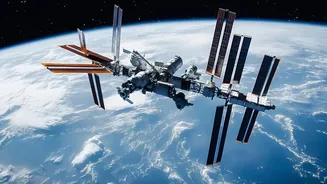
The CRS-35 mission launched with over 6,300 pounds of cargo for the station's Expedition 75 crew. This included fresh food and crew supplies, spacewalk equipment, and computer resources. A significant part of the payload was dedicated to science, featuring experiments focused on creating artificial retinas, studying brain organoids to understand neurological diseases like Alzheimer's, and testing crop resistance to disease in microgravity. The mission also delivered the final pair of new iROSA solar arrays, which have been progressively installed to upgrade the station's power generation capacity, boosting it by as much as 30 percent. These regular cargo flights are the logistical backbone that keeps the ISS running as a world-class scientific outpost.
The Power of Public-Private Partnership
This successful mission highlights the strength of NASA's Commercial Resupply Services program. By purchasing cargo delivery as a service from private companies like SpaceX, NASA can focus its resources on deep space exploration missions like Artemis, while ensuring the ISS remains well-stocked and scientifically productive. This model, which began with the COTS program in 2006, has proven to be a cost-effective and reliable way to handle logistics in low-Earth orbit. The reusability of the Dragon capsule, which completed its fourth flight with this mission, is a key component of this efficiency. This partnership has not only restored America's ability to launch cargo from its own soil but has also spurred innovation across the commercial space industry.