


Beyond the Itinerary
For young Indians, travel is no longer just about seeing a place; it's about experiencing it. The shift is from a passive checklist of sights—the Taj Mahal, the Eiffel Tower, a specific beach—to an active pursuit of meaning. A 'personal' trip is one that
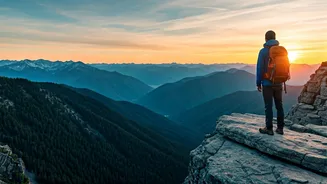
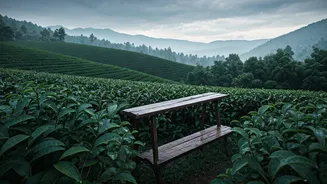
reflects the traveller's own interests, values, and curiosity. It could be a solo trek through the Himalayas to disconnect, a food tour of Lucknow's oldest kitchens, a volunteer opportunity at an animal sanctuary, or a stay at a remote coffee plantation in Coorg. The destination is often secondary to the experience itself. This isn't just customisation; it's a form of self-expression. The vacation becomes a chapter in their personal story, not just a photo album of famous landmarks.
The Search for Authenticity
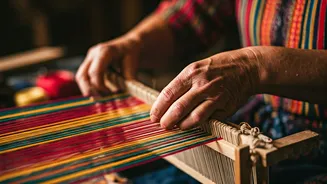
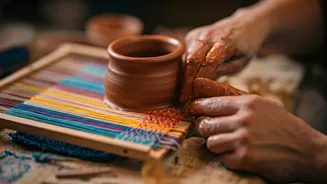
What's driving this change? A major factor is a reaction against the sanitised, cookie-cutter tourism that dominated previous generations. Young travellers, raised on a diet of global content and connected via social media, are more aware of the world's diversity and crave genuine connection. They are looking for 'authenticity'—a term that translates to staying in a homestay run by a local family instead of a chain hotel, learning a regional craft from an artisan, or eating at a small, family-run dhaba recommended by locals rather than a tourist trap. This desire is amplified by a sense of digital fatigue. In a world of curated online personas, a genuinely authentic experience feels real, grounding, and memorable.
Social Media's New Role
While it's easy to blame social media for performative travel, its role is more nuanced here. For this generation, platforms like Instagram and YouTube are not just for showing off, but for discovery. They are powerful research tools. A traveller might discover a hidden waterfall in Meghalaya or a niche pottery workshop in Rajasthan through a niche travel blogger's post. The goal is less about recreating a famous influencer's photo and more about finding inspiration for a unique journey. Social media creates an appetite for the undiscovered. It fuels a desire to go beyond the mainstream and find places and experiences that haven't yet become viral, allowing the traveller to feel like a pioneer in their own small way.
The Solo and Small-Group Revolution
The preference for personal travel is also powering the explosive growth of solo and small-group journeys. Travelling alone or with a few like-minded friends allows for the ultimate flexibility. There's no need to compromise on a packed itinerary designed to please a large, diverse group. A solo traveller can decide to spend an entire afternoon reading in a café, while a small group can make a spontaneous detour to a local festival they just heard about. This is especially true for young women, who are increasingly embracing solo travel as a means of empowerment and self-discovery. Travel companies have noticed, offering curated small-group trips focused on specific interests like yoga, photography, or adventure sports, providing a safety net while still allowing for a personal feel.
An Economy of Experience
This fundamental shift is reshaping the Indian travel industry. Budget airlines, better road connectivity, and the proliferation of online booking platforms have made travel more accessible than ever. But the real opportunity lies in the 'experience economy.' Small, independent operators are thriving. Homestays, boutique guesthouses, farm stays, and eco-lodges are gaining popularity over large, impersonal resorts. Local guides who can offer deep cultural insights are in high demand. Travel startups are building platforms that connect travellers directly with hosts offering unique activities, from a cooking class in a private home to a guided nature walk. The entire ecosystem is adapting to serve a customer who values a memorable experience over a simple transaction.