



How Do They Actually Work?
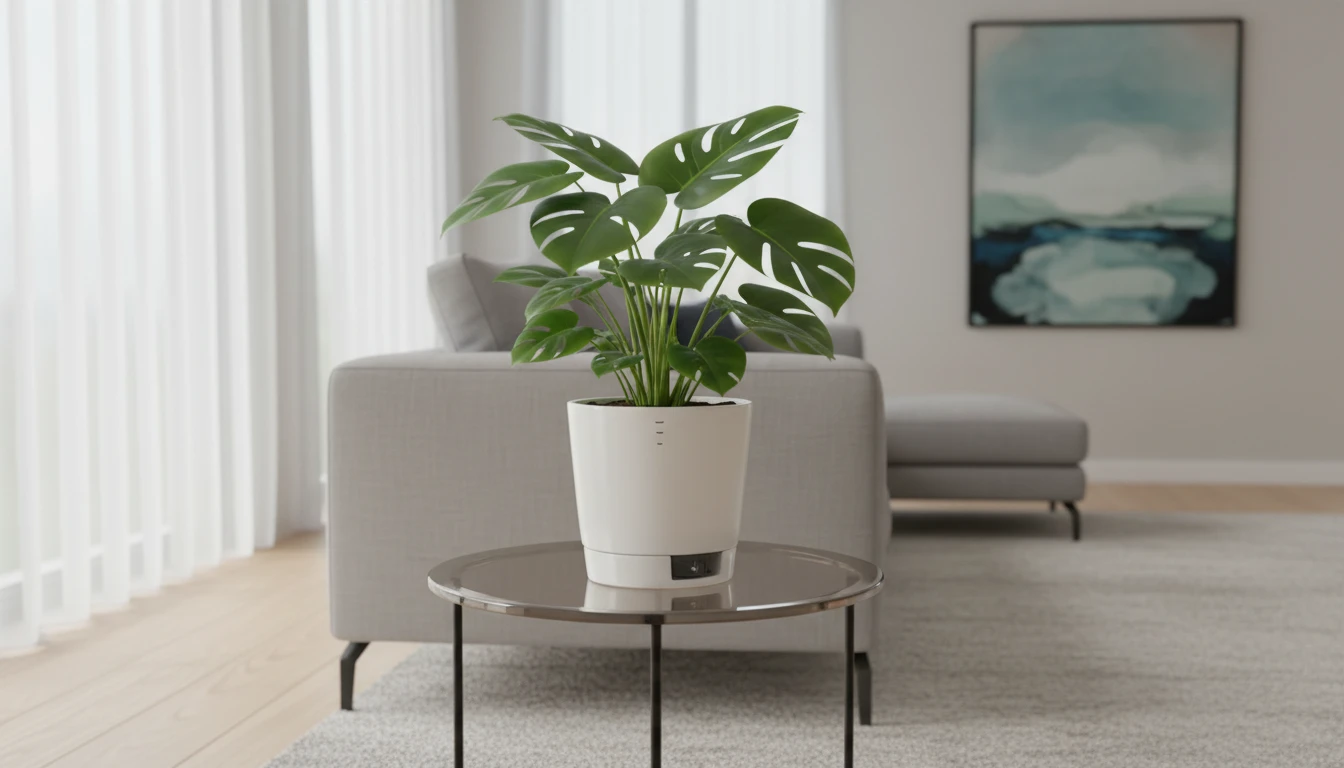
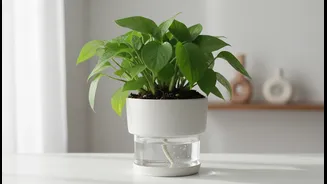
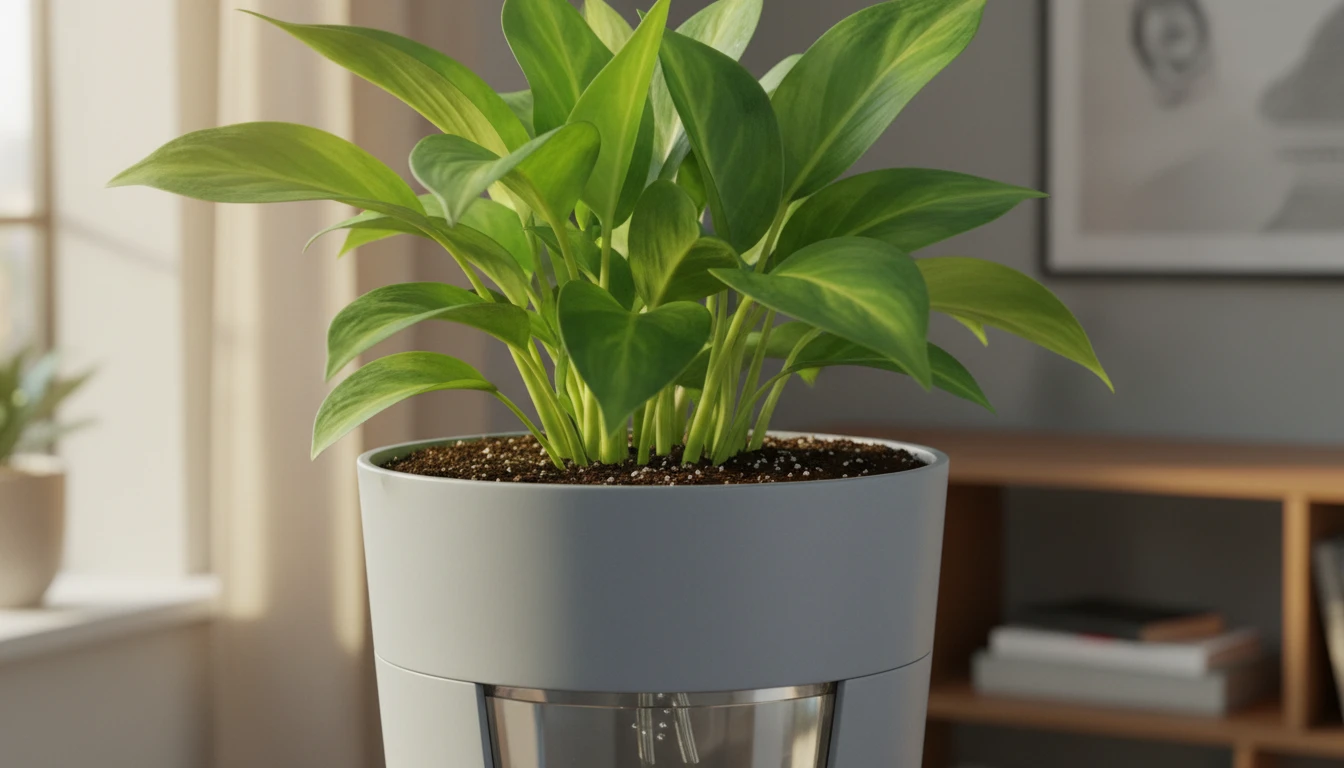
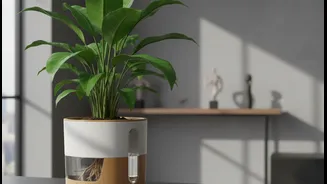
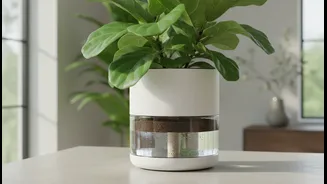
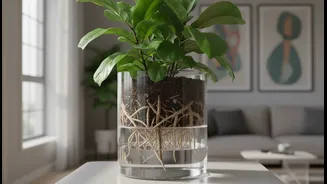
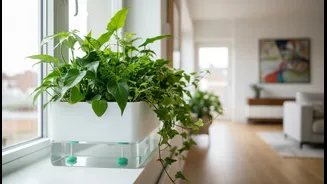
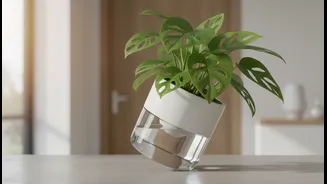
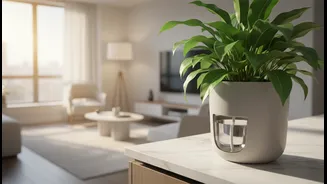
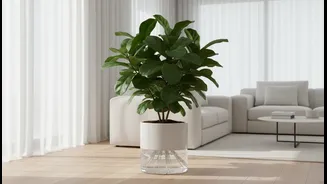
The concept is simple yet ingenious. A self-watering pot consists of two main parts: an inner pot that holds the plant and soil, and an outer reservoir that holds water. A wicking system, often a fabric rope or a porous material, connects the two. Through
a natural process called capillary action, the wick draws water up from the reservoir into the soil as it begins to dry out. This allows the plant to sip water at its own pace, getting a consistent supply of moisture directly to its roots without you having to lift a watering can every few days.
The Key Benefits for Busy People
The most obvious advantage is convenience. For those with a busy schedule, a tendency to forget, or frequent travel plans, these pots are a game-changer. Instead of daily or weekly watering, you might only need to fill the reservoir every week or two, depending on the plant and pot size. This consistent moisture also prevents the common stress cycle of drying out completely and then getting flooded, which can lead to healthier root growth. Furthermore, because the water is contained, there’s less evaporation and no messy spills, making them perfect for indoor use.
Are There Any Downsides?
While they sound perfect, self-watering pots are not a foolproof solution for every situation. The biggest risk is creating an environment that is too wet, which can lead to root rot, especially if the pot is used for the wrong plant. Plants that prefer their soil to dry out between waterings, like succulents and cacti, are not good candidates. Additionally, the standing water in the reservoir can sometimes attract pests like fungus gnats or even mosquitoes if not managed properly. Regular maintenance, like cleaning the reservoir to prevent algae buildup, is still necessary.
Choosing the Right Plant
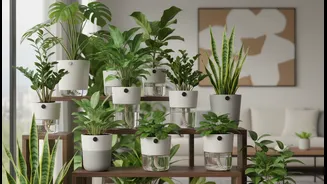
Success with a self-watering pot largely depends on pairing it with the right plant. Moisture-loving tropical plants, in particular, thrive in these conditions. Think of ferns, peace lilies, calatheas, and African violets. Many common houseplants that enjoy consistently moist soil, such as spider plants and pothos, are also excellent choices. Edible plants like herbs and certain vegetables also do very well, as the steady water supply can boost their growth. The plants to avoid are those native to arid environments, like succulents, snake plants, and ZZ plants, which need periods of dryness to stay healthy.
Tips for Success
To make the most of your self-watering pot, a few best practices can make a huge difference. First, use a high-quality, well-aerated potting mix rather than dense garden soil. A good mix will have components like peat moss, perlite, and vermiculite to help with the wicking action while preventing compaction. When you first pot the plant, water it from the top for the first week or two to encourage the roots to grow downward toward the water source. Finally, don't just keep the reservoir topped up indefinitely. It's often a good idea to let the reservoir dry out completely between fillings to allow air to get to the roots and prevent the soil from becoming waterlogged.