



More Than Just Getting Steps In
The morning walk, once seen as the domain of older generations, is getting a youthful makeover. Across metros like Mumbai, Delhi, and Bengaluru, scores of young professionals and students are gathering at dawn. But this isn't about hitting a 10,000-step
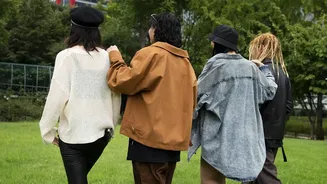
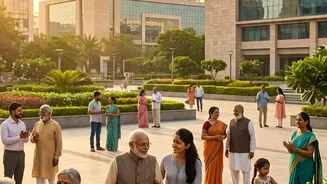
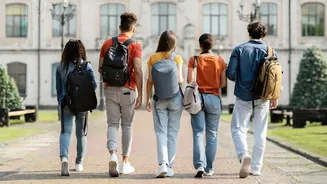
target. It's a social wellness movement. The atmosphere is relaxed and conversational, a stark contrast to the high-pressure, headphone-clad environment of a typical gym. What you see are groups chatting, laughing, and exploring their neighbourhoods on foot, often capping the morning with a shared coffee or breakfast. This trend highlights a significant shift: for many, fitness is no longer an individual pursuit but a shared experience. It's about finding motivation in company and making exercise a source of joy rather than a chore.
The Search for a 'Third Place'
Urban loneliness is a well-documented struggle for many young Indians who move to big cities for education or careers. Leaving behind familiar support systems, they often find themselves surrounded by people yet feeling deeply isolated. In this context, walking clubs are becoming the new 'third place'—a crucial social environment outside the mandatory spheres of home and work. These morning meetups offer a low-stakes setting to build genuine friendships. Unlike formal networking events or late-night outings, the simple act of walking together provides an easy foundation for conversation. It carves out a clear, refreshing break in the day, especially for remote workers seeking a reason to step outside before logging on.
An Unstructured and Organic Social Club
One of the biggest appeals of these walking groups is their organic nature. Many form spontaneously, without complex rules or membership fees. A few friends decide to walk together, post about it online, and soon a community is born. Platforms like Meetup, WhatsApp, and Instagram have become instrumental in connecting like-minded individuals. Groups like 'Mumbai Mornings' or the 'New Delhi Morning Walk Meetup Group' show a clear demand for these simple, accessible gatherings. The barrier to entry is virtually non-existent; all you need is a pair of shoes and a willingness to show up. This unstructured approach removes the pressure to perform, allowing people from all fitness levels to join and feel welcome.
From Strangers to Support Systems
The benefits of these micro-communities extend far beyond physical fitness. They provide a vital sense of accountability; it’s easier to wake up for an early walk when you know friends are waiting. Over time, these groups evolve into genuine support systems. Shared walks lead to deeper conversations about careers, mental health, and personal challenges. What starts as a casual fitness activity often blossoms into a network of reliable friends who offer support and belonging in cities where it can be hard to find. Some groups even blend walking with other interests, such as photography or clean-up drives, adding a layer of shared purpose to their morning ritual.
A Pan-India Urban Movement
This isn't a phenomenon confined to one or two cities. From the seaside promenade in Chennai to the parks of Gurgaon and the lakeside paths in Bengaluru, these walking communities are a pan-India trend. Running clubs and walking groups are reshaping how urban residents approach health and social life. The Delhi Run Collective, for example, was started by two friends who simply wanted company on their runs and has since grown into a larger community. These groups are reclaiming public spaces, demonstrating that parks and footpaths are not just for transit but are essential for community well-being. As more young Indians prioritise holistic health and authentic connections, the simple morning walk has become a powerful tool for building a happier, healthier urban life.