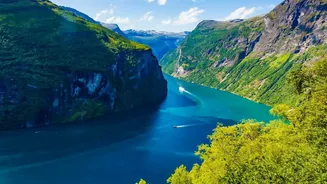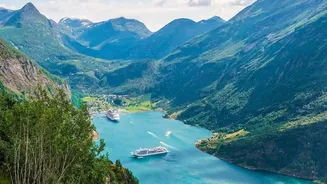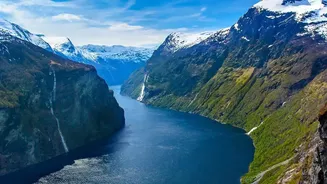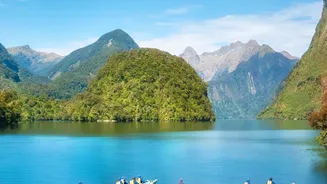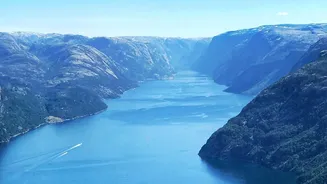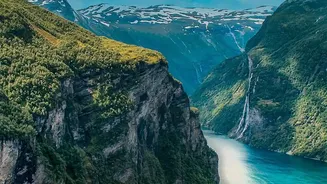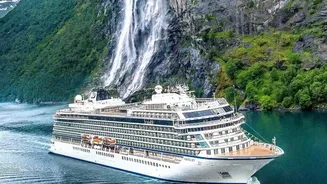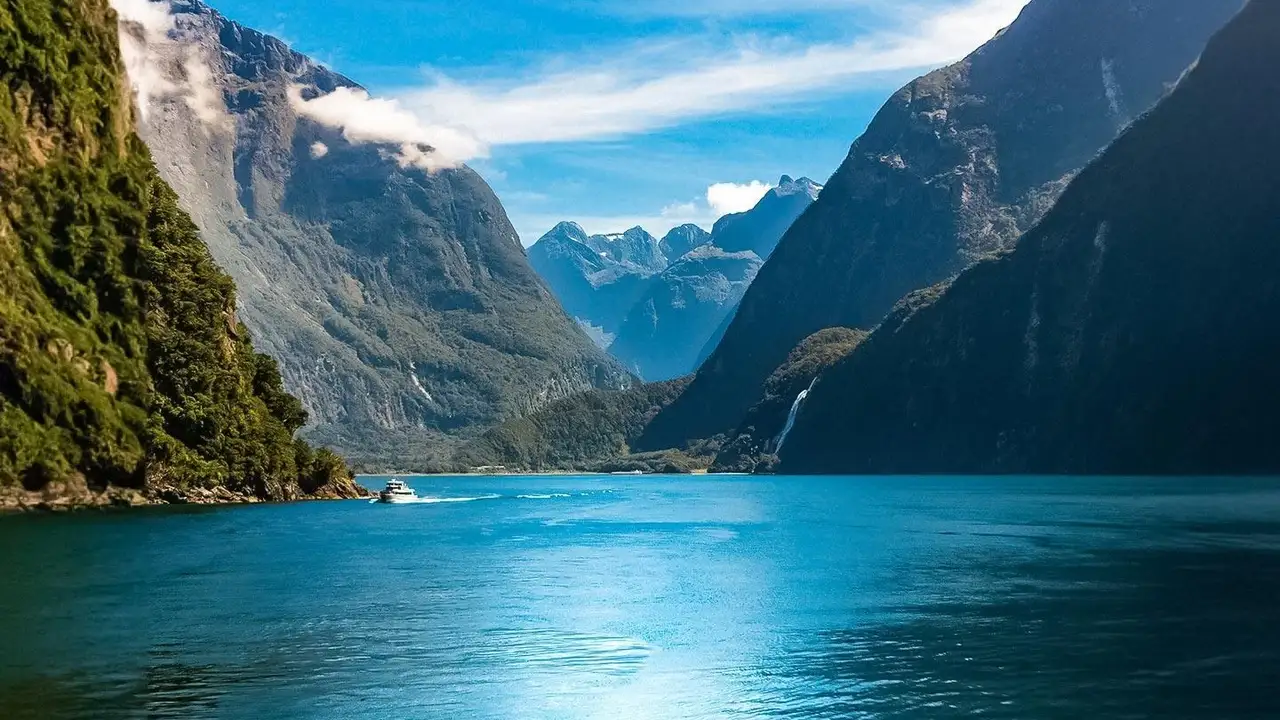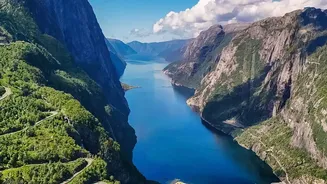

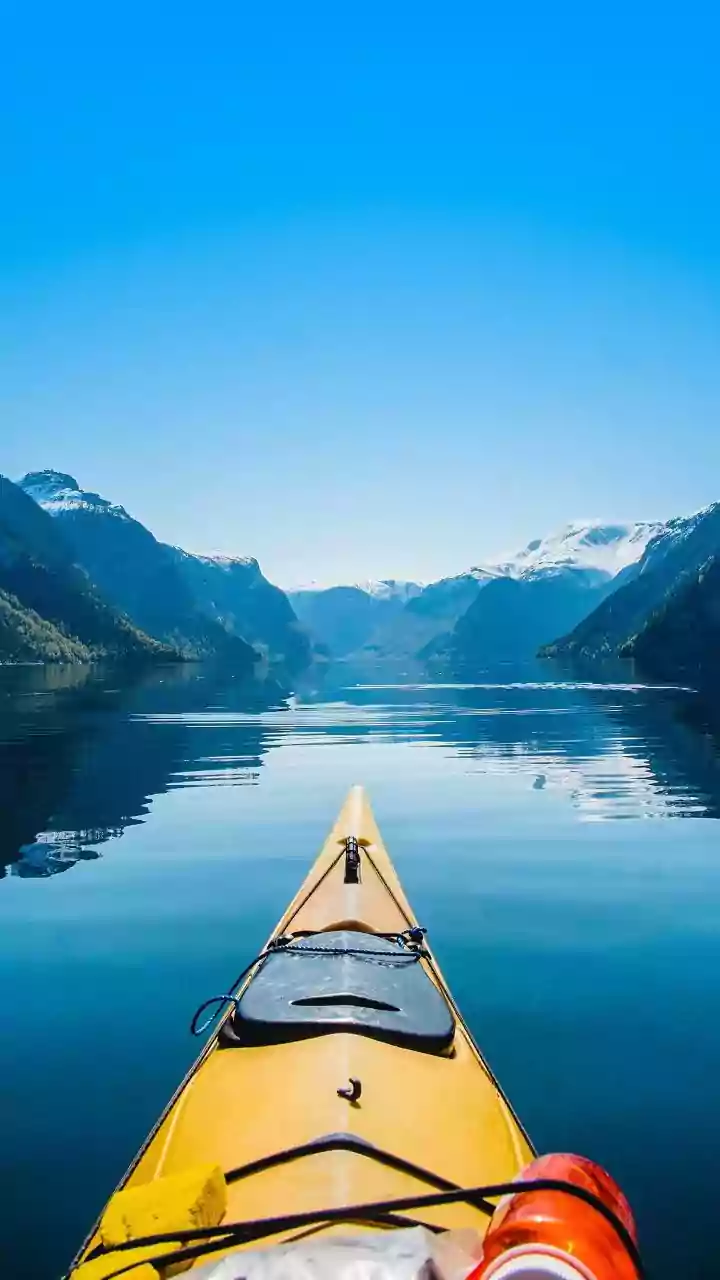
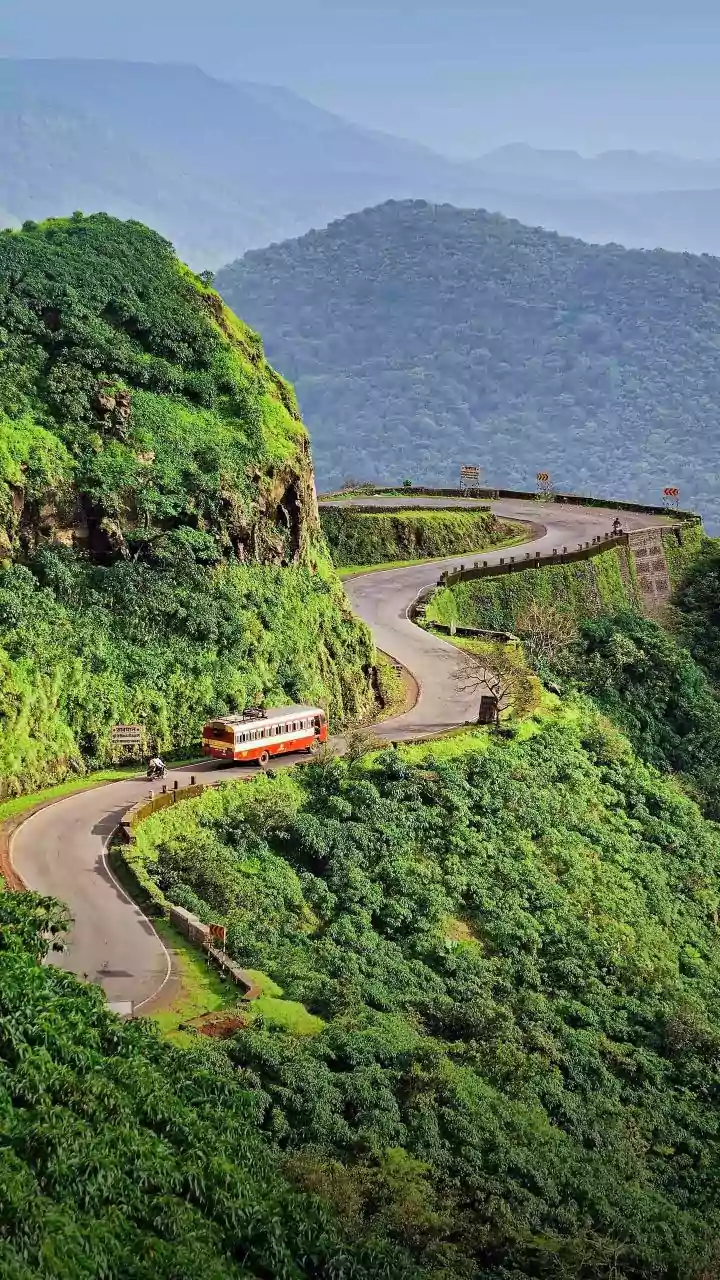

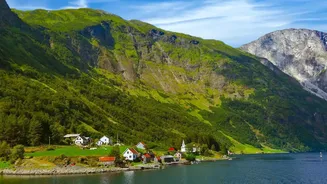
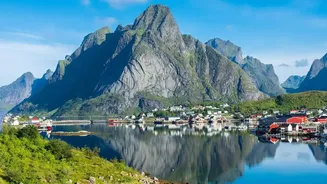
Carved by ancient glaciers, Norway's dramatic fjords are a breathtaking spectacle of nature's power. These deep blue inlets, flanked by towering cliffs, offer some of Europe's most unforgettable travel experiences. Here’s a guide to exploring them.
By Sea: The Coastal Voyage
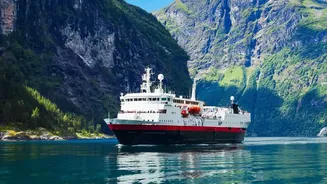
To
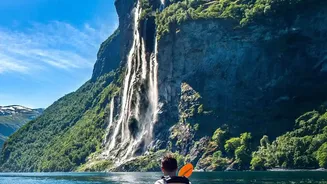
truly grasp the scale of the fjords, you need to be on the water. The classic approach is a journey on the Hurtigruten, a coastal ferry that has connected 34 communities along the Norwegian coast for over a century. While it functions as a vital local transport link for people and goods, it also serves as one of the world's most scenic voyages. The journey offers a slow-paced, immersive view of the landscape, from small fishing villages to vast, open sea. For a more focused experience, dedicated fjord cruises explore the UNESCO World Heritage sites of Geirangerfjord and Nærøyfjord. Geirangerfjord is famous for its cascading waterfalls like the 'Seven Sisters', while Nærøyfjord, a branch of the vast Sognefjord, is celebrated for being one of the narrowest in the world, with sheer cliffs rising dramatically from the water.
By Road: The National Tourist Routes
For those who prefer to travel at their own pace, Norway has designated 18 National Tourist Routes, stretches of road chosen for their spectacular scenery and enhanced with striking architectural viewpoints and rest stops. Several of these routes wind through the heart of Fjord Norway. The Geiranger-Trollstigen route is a masterpiece of engineering, featuring the eleven hairpin bends of the Trollstigen pass and the breathtaking Eagle Road overlooking Geirangerfjord. Further south, the Hardanger route loops through a landscape of fruit orchards and powerful waterfalls. One of the most famous is the Atlantic Road (Atlanterhavsvegen), a short but spectacular drive that hops across islands via a series of dramatic bridges, offering a taste of the raw coastal environment. Many of these mountain roads, such as Sognefjellet, are only open in the summer, when the immense snowbanks have been cleared.
By Rail: A Journey Through the Mountains
One of the world's most beautiful train journeys is also one of the best ways to access the fjords. The Flåm Railway (Flåmsbana) is a marvel of engineering, descending 863 meters in just 20 kilometers from the high-altitude Myrdal station down to the village of Flåm on the shores of the Aurlandsfjord. In under an hour, the train passes through 20 tunnels, past thundering waterfalls and remote mountain farms clinging to the steep valley sides. The journey offers a unique perspective, connecting the stark mountain plateau of the main Bergen Line to the lush, green world of the fjord below. The train runs year-round, offering a different but equally spectacular view in every season.
On Foot: Hiking and Viewpoints
For the adventurous, exploring the fjords on foot provides an unparalleled connection to the landscape. Numerous trails lead to panoramic viewpoints that are famous worldwide. Hikes like Preikestolen (Pulpit Rock) and Trolltunga (Troll's Tongue) offer rewarding challenges with staggering views over the Lysefjord below. But you don't need to undertake a multi_hour trek to find a great view. The Stegastein viewpoint, a platform that juts out 650 meters above the Aurlandsfjord, is easily accessible by road and offers a breathtaking panorama. Similarly, viewpoints along the National Tourist Routes, such as Ørnesvingen (the Eagle Bend) above Geiranger, are designed to give visitors incredible photo opportunities with minimal effort.
When to Plan Your Trip
The best time to visit the Norwegian fjords depends on what you want to experience. The summer months, from June to August, offer the warmest weather, long daylight hours, and the widest range of activities, with all mountain roads and hiking trails open. This is also the peak tourist season. For fewer crowds, consider visiting in late May, when waterfalls are at their most powerful from melting snow and fruit trees are in blossom, or in September, when the landscape is painted in autumn colours. Winter offers a completely different experience, with snow_covered mountains, a quieter atmosphere, and the chance to see the Northern Lights in any northern regions.